Leave Your Message
-
Phone
-
E-mail
-
Whatsapp
-
WeChat

-
Whatsapp

Short-haul flights — typically defined as routes under three hours — now account for more than 60% of global commercial flight operations. Frequent business travelers, weekend explorers, and regional commuters share one common need: luggage that is light, agile, and intelligent enough to keep pace with a compressed travel timeline. This is precisely where the motorized suitcase has carved out a fast-growing commercial niche.
A motorized suitcase combines electric-assisted wheel propulsion, smart connectivity, and ergonomic design to deliver a passenger experience that fundamentally reimagines airport transit. Unlike traditional spinner luggage, motorized variants can autonomously follow their owner, navigate crowded terminals, and even provide real-time location data via Bluetooth or GPS. For passengers on tight connection windows — a defining feature of short-haul itineraries — these capabilities translate directly into stress reduction and time savings.
The global smart luggage market was valued at approximately USD 1.4 billion in 2023 and is projected to exceed USD 4.8 billion by 2032, growing at a CAGR of over 14%. Motorized suitcases designed for carry-on dimensions represent the fastest-growing sub-segment, driven primarily by short-haul and intra-regional airline route expansion across Asia-Pacific, Europe, and North America.
The motorized suitcase industry sits at the intersection of consumer electronics, travel goods manufacturing, and smart mobility technology. Several distinct commercial layers define the current landscape:
China remains the dominant production hub, with Zhejiang Province — home to manufacturers such as Ruian Caesar Trading Co., Ltd. — supplying the majority of the world's hardshell and motorized carry-on luggage. These facilities combine advanced injection-molded ABS/PC shell production with integration of servo motors, lithium battery modules, and wireless communication chips. The ODM model allows global brands to commission bespoke designs with proprietary features while leveraging the cost efficiencies of large-scale Chinese manufacturing.
The aviation regulatory environment has a direct, material impact on motorized suitcase design. Most major carriers — including those operating short-haul networks — follow IATA and TSA guidelines that restrict lithium battery capacity in cabin baggage to 100 Wh (watt-hours) without prior approval. Premium motorized suitcases have responded by engineering removable, swappable battery systems that allow passengers to check or carry the power module independently if required. This design evolution has enabled motorized suitcases to achieve near-universal carry-on compatibility across short-haul routes.
Corporate travel management companies (TMCs) and airlines' frequent flyer programs have begun sourcing motorized carry-on luggage as loyalty program rewards and executive gift offerings. The reduced physical strain for road warriors who traverse multiple short-haul legs per week makes motorized suitcases a compelling wellness benefit. Several major airlines have entered co-branded luggage agreements, embedding NFC tags for seamless baggage tagging at self-service kiosks.
Next-generation motorized suitcases utilize computer vision and depth-sensing cameras to follow owners through terminals without manual tethering. Machine learning models trained on crowded indoor environments enable real-time obstacle avoidance, making navigation through busy departure gates intuitive and hands-free.
Advancements in graphene-composite and solid-state battery chemistry are enabling dramatically lighter, faster-charging power modules. For short-haul travelers, a 30-minute charge providing a full day of motorized assistance aligns perfectly with pre-boarding dwell times at regional airports.
Companion mobile applications now provide GPS tracking, weight measurement, remote locking, travel notifications, and battery status at a glance. Integration with airline booking platforms allows automatic baggage status updates, creating a seamless digital-physical travel ecosystem particularly valuable on multi-leg short-haul itineraries.
Eco-conscious consumers and corporate ESG commitments are pushing manufacturers toward recycled ABS, bio-based PC blends, and sustainably sourced aluminum frames. Modular design philosophies allow worn components — wheels, handles, battery packs — to be replaced independently, dramatically extending product lifespan.
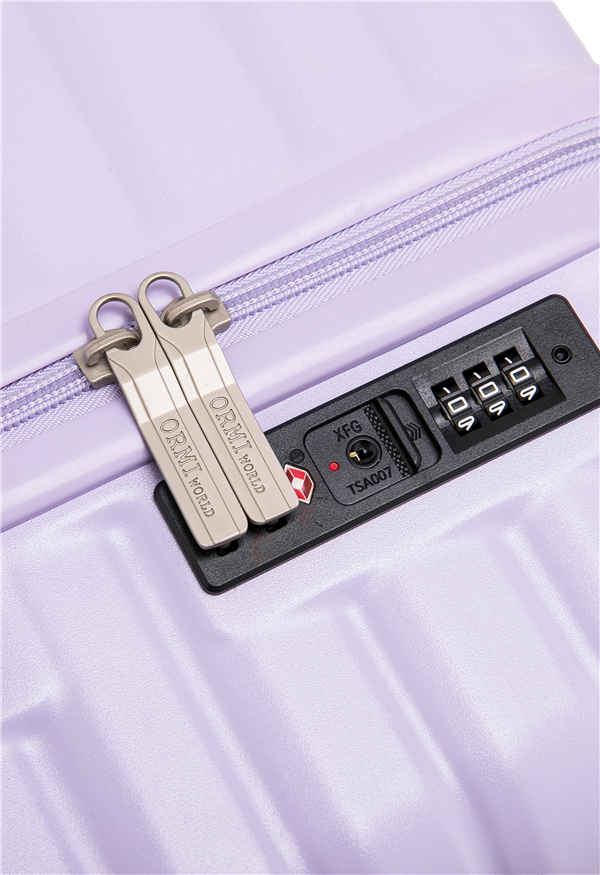
Fingerprint-authenticated locking mechanisms are being embedded directly into motorized suitcase frames. These systems comply with TSA master-key overrides while providing travelers with biometric-grade security — a critical feature for corporate travelers carrying sensitive documents on short-haul business routes.
Carbon-fiber reinforced polymer (CFRP) and aerospace-grade magnesium-aluminum alloy shells are progressively entering the premium tier. At under 2.5 kg for a standard carry-on shell, these materials absorb the weight penalty of motorization hardware, keeping complete units within airline cabin weight limits of 7–10 kg.
On corridors like London Heathrow–Paris CDG, New York–Boston, Shanghai–Beijing, and Dubai–Riyadh, business travelers complete multiple short-haul legs per week. Motorized suitcases reduce physical fatigue from terminal navigation, enabling professionals to arrive at meetings in better condition. Integrated charging ports keep devices powered between gates, eliminating the scramble for airport power outlets.
Short-haul regional airports often have fewer accessibility facilities than major international hubs. Motorized follow-me suitcases provide meaningful independence for elderly passengers and those with mobility impairments, reducing dependence on airport staff assistance. The reduced pushing and pulling force required also benefits passengers recovering from upper-body injuries.
University exchange programs and school study tours typically involve short-haul regional flights with group travel. Motorized carry-ons with GPS tracking allow faculty chaperones to monitor baggage locations in real time, reducing luggage separation incidents. The built-in scale function prevents overweight baggage fees — a critical cost control for student travel budgets.
Film crews, photographers, and broadcast teams frequently execute rapid short-haul deployments to cover events. Motorized suitcases with high-capacity interiors and modular compartmentalization allow equipment to be transported carry-on rather than checked, protecting sensitive gear from baggage handling damage while accelerating arrival-to-production timelines.
Pharmaceutical sales representatives and medical device specialists rely on short-haul networks to cover regional territories. Temperature-regulated compartments in advanced motorized suitcases can maintain cold-chain integrity for biologics and vaccines, while GPS tracking ensures accountability of high-value samples throughout transit.
Co-branded motorized suitcases have become a premium loyalty marketing tool for luxury fashion houses and hospitality groups. Carrying a motorized carry-on as a visible status symbol aligns with the aspirational identity of short-haul business class travelers, creating organic brand exposure in premium airport lounges and gate areas.


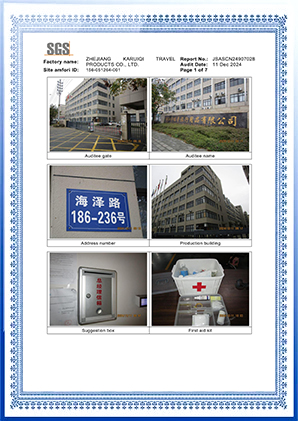
Ruian Caesar Trading Co., Ltd. is located in Ruian City, Zhejiang Province, China. With over a decade of specialized experience in the luggage industry, we have become a leading ODM (Original Design Manufacturer) and OEM (Original Equipment Manufacturer) luggage solutions provider. Our client base ranges from emerging brands seeking to establish themselves in the market to established retail giants seeking a reliable manufacturing partner.
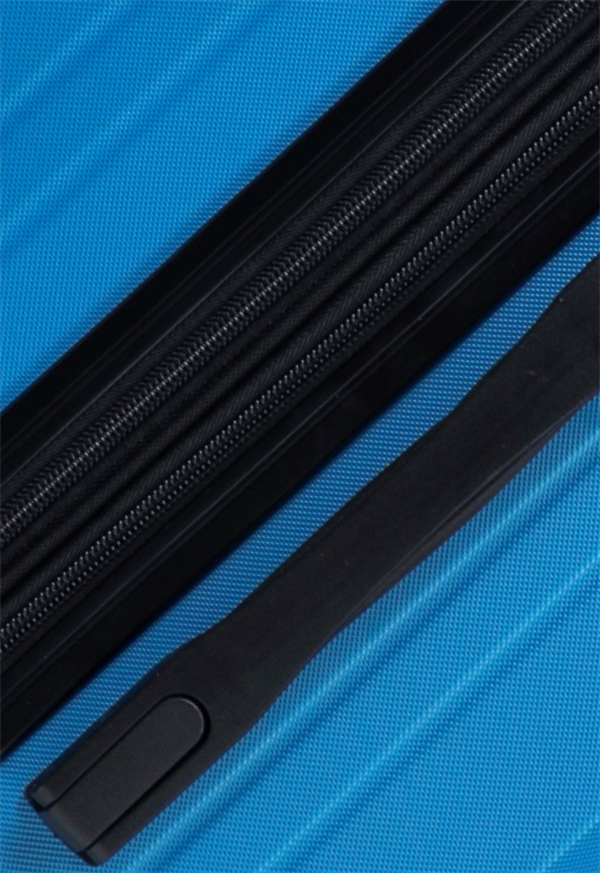
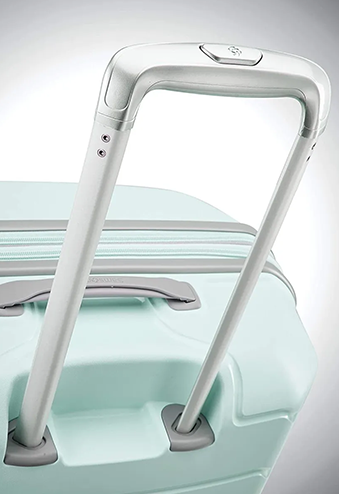
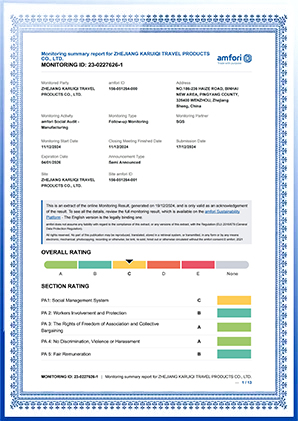
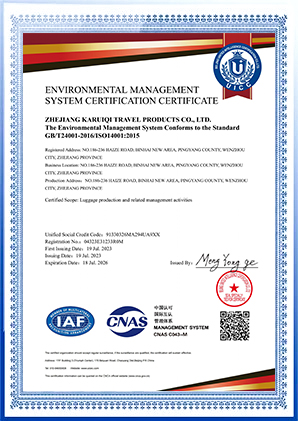
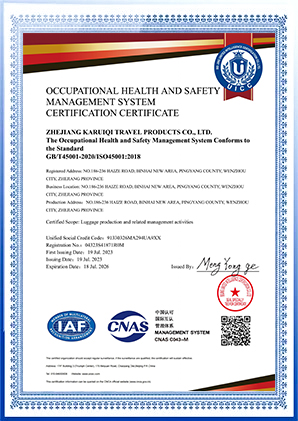
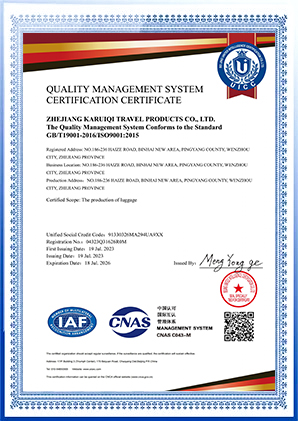
Our state-of-the-art production facility spans over 50,000 square meters and is equipped with 13 advanced production lines. These lines operate with precision and efficiency, enabling us to meet a wide range of manufacturing needs. We employ over 500 skilled workers, many of whom have years of experience in luggage craftsmanship. This highly skilled workforce is crucial to our operations, as we rigorously enforce quality standards at every stage of production. From the careful selection of raw materials to the final inspection of zippers, handles, wheel mechanisms, and other critical components, we leave no room for error.
Click to Inquire About the Products


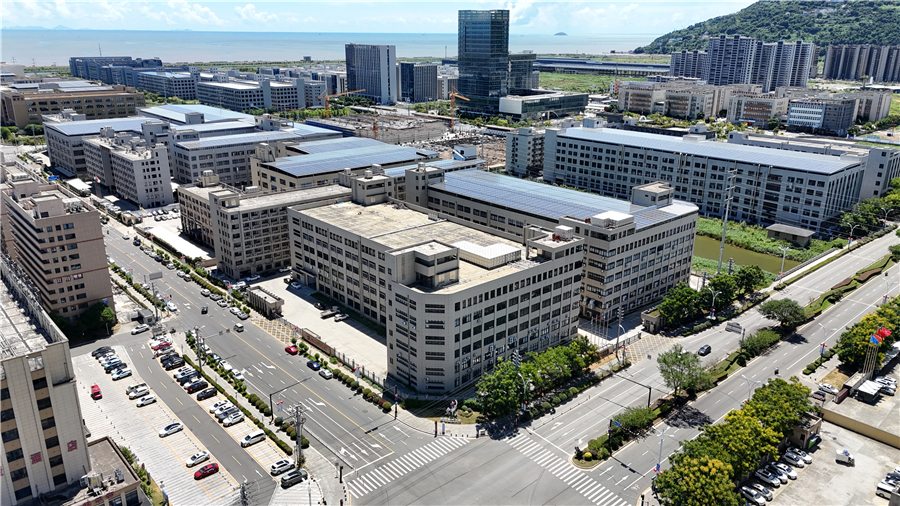


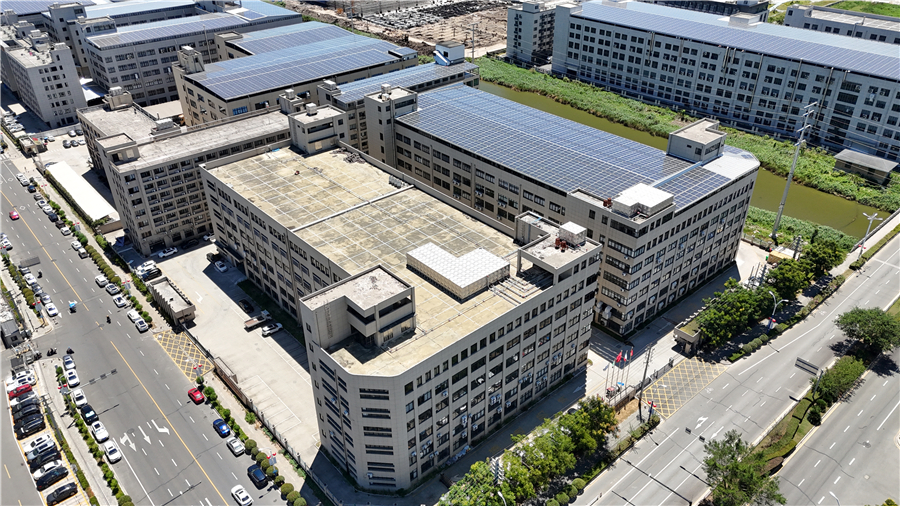

Our robust infrastructure enables us to efficiently process high-volume orders while also meeting our customers' evolving needs. Our experienced team of professionals, including designers, engineers, and quality control experts, transforms our clients' visions into tangible products. Our design team stays current with global trends, incorporating innovative features like lightweight materials, ergonomic handles, and smart storage solutions into our luggage, both classic and contemporary.
We provide custom design services to clients in over 18 regions annually, ensuring their specific needs are met with precision and creativity. Our commitment to excellence is reflected in our rigorous quality inspections at every stage of production. We use high-quality materials and strike a balance between durability and aesthetics, ensuring our products not only perform well but also appeal to consumers.
View All Products
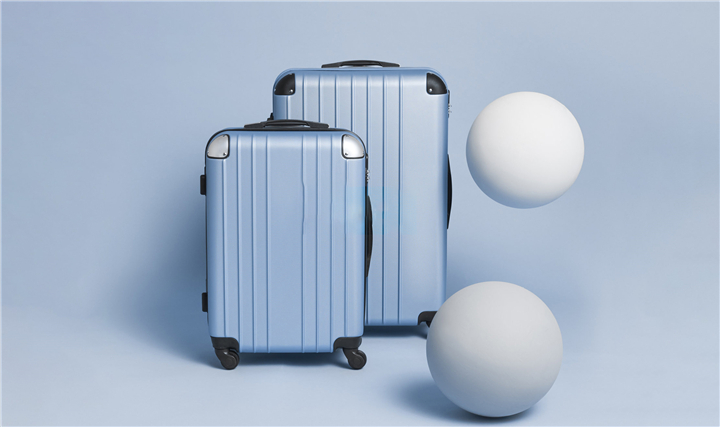

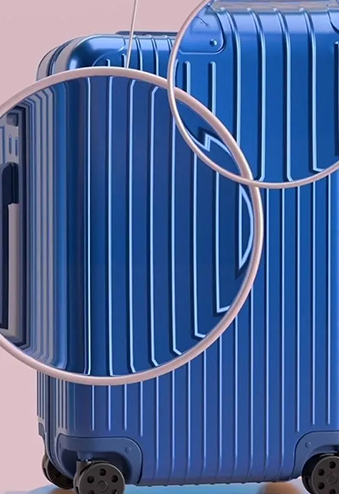

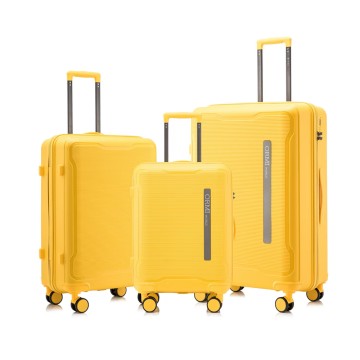
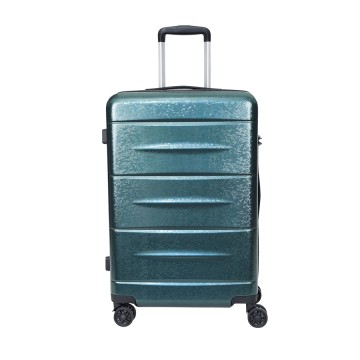
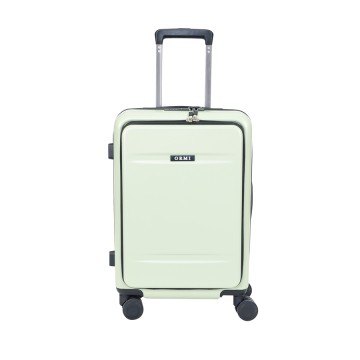
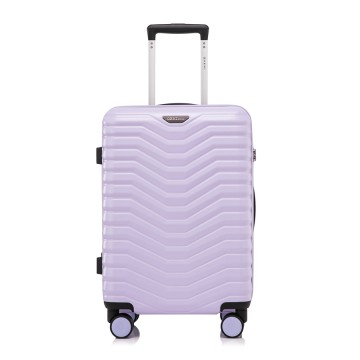
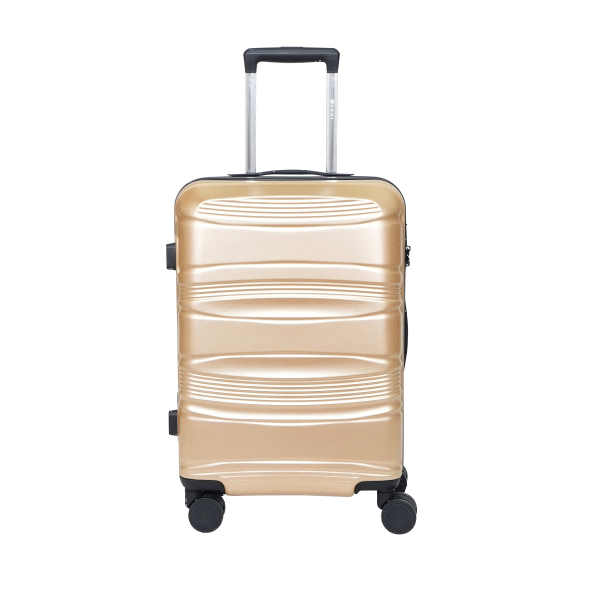
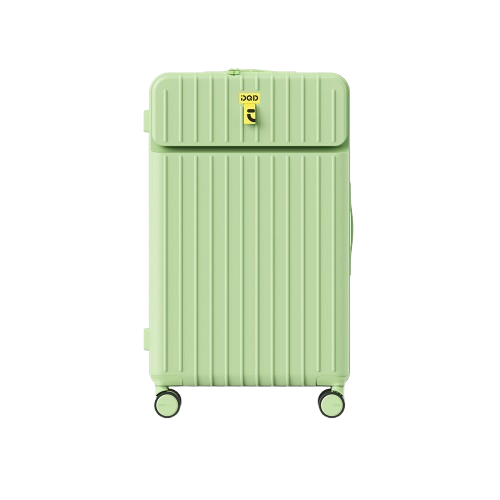
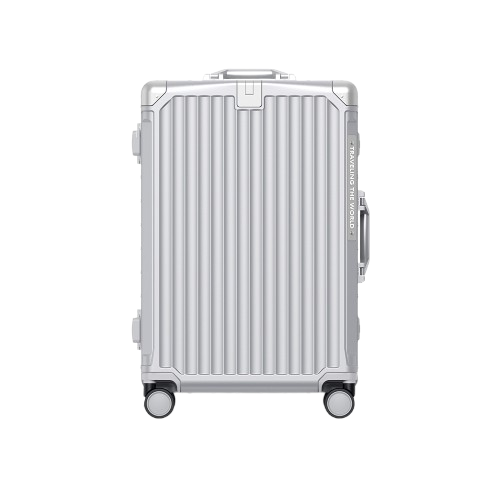
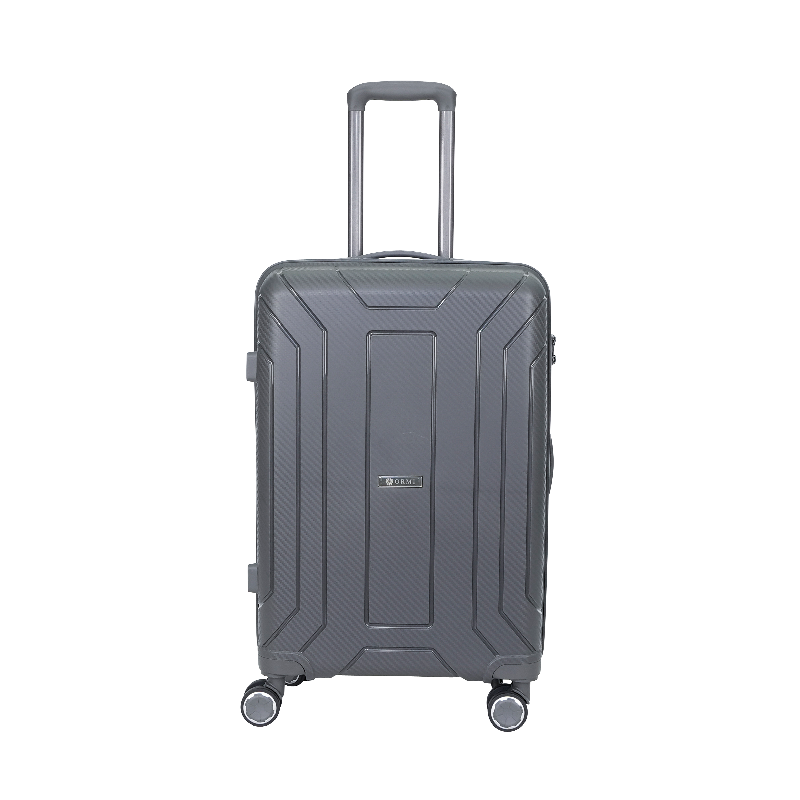
We are eager to build lasting partnerships and leverage our industry expertise to help our customers succeed in the ever-changing world of luggage retail and distribution. Looking ahead, we will maintain our commitment to innovation and excellence, continually striving to enhance our product offerings to meet the evolving needs of the luggage industry.
If Question? Call Us: +86-13706644551
Click to Learn More About Caesar TradingRuian Caesar Trading Co., Ltd. is located in Ruian City, Zhejiang Province, China. With over a decade of specialized experience in the luggage industry, we have become a leading ODM and OEM luggage solutions provider.
Our client base ranges from emerging brands seeking to establish themselves in the market to established retail giants seeking a reliable manufacturing partner.
Contact Us