Leave Your Message
-
Phone
-
E-mail
-
Whatsapp
-
WeChat

-
Whatsapp

Rigorously engineered for long-haul flights, overland expeditions, and multi-destination journeys — every detail optimised for the road ahead.
Long-distance travel has evolved dramatically over the past decade. Whether you are navigating a 14-hour transatlantic flight, embarking on a month-long cross-continental business tour, or undertaking an extended digital-nomad adventure, the carry on suitcase you choose is not a peripheral accessory — it is mission-critical gear. The wrong bag means checked-luggage fees, delayed arrivals at baggage claim, and damaged belongings. The right carry on suitcase for a long-distance journey means seamless gate-to-gate mobility, total control over your possessions, and the confidence to travel further.
The global travel luggage market was valued at approximately USD 22 billion in 2023 and is projected to surpass USD 36 billion by 2030, driven by a resurgence in international tourism, rising business travel, and the explosive growth of the experience economy. Within this broader market, the carry on suitcase segment is the fastest-growing category, outpacing checked luggage in both unit volume and revenue growth. Consumers are increasingly choosing to travel lighter, smarter, and more efficiently — and that behavioural shift has reshaped the entire luggage manufacturing landscape.
The carry on luggage segment is forecast to grow at a CAGR of over 7.2% through 2030, driven by airline cabin-baggage optimisation, lightweight material innovation, and rising consumer preference for hassle-free long-distance travel.
The global carry on suitcase supply chain is concentrated in several key manufacturing hubs, with China's Zhejiang, Guangdong, and Fujian provinces accounting for over 60% of world production. Within this ecosystem, ODM (Original Design Manufacturer) and OEM (Original Equipment Manufacturer) models dominate, enabling international brands to scale product lines rapidly without investing in their own factory infrastructure.
Modern carry on suitcase factories operate with a level of technological sophistication that rivals aerospace component suppliers. Automated shell-forming presses achieve tolerances below 0.5 mm on polycarbonate and ABS panels. Robotic welding systems ensure consistent wheel-housing integrity across millions of units per year. Six-axis CNC routers carve aluminium extrusion frames with sub-millimetre precision. These advances have not only raised quality ceilings but also enabled cost efficiencies that make premium-grade carry on suitcases accessible across multiple price tiers.
At the commercial level, the carry on suitcase category has bifurcated into two dominant channels: direct-to-consumer (DTC) e-commerce brands and traditional wholesale-to-retail chains. DTC brands such as Away, Monos, and Béis have leveraged social media virality to build hundred-million-dollar revenue businesses around a single hero SKU — typically a polycarbonate carry on. Meanwhile, mass-market retailers continue to source high-volume carry on suitcases from Asian ODMs, maintaining competitive price points while steadily improving quality specifications.
Several macro trends are redefining what consumers and buyers expect from a carry on suitcase designed for long-distance travel:
Next-generation PP (polypropylene) and hybrid PC/ABS shells deliver structural rigidity at weights under 2.5 kg, enabling travellers to maximise cabin allowance without sacrificing protection.
TSA-approved combination locks, biometric fingerprint latches, and RFID-blocking internal pockets are now standard expectations for long-distance travellers navigating multi-country itineraries.
Recycled-PET linings, bio-based polymer shells, and carbon-neutral manufacturing certifications are becoming primary purchasing drivers among eco-conscious long-haul travellers and corporate travel programmes.
Aluminium-frame, zipperless closure systems eliminate the primary failure point of conventional suitcases, offering superior tamper-resistance and longevity for frequent long-distance users.
Double-wheel spinner hubs with sealed bearings and shock-absorbing bases navigate airport concourses, cobblestone streets, and train stations with equal ease — critical for multi-modal long-distance itineraries.
Zip-expansion panels adding 10–15% capacity, integrated compression straps, and modular interior dividers allow a single carry on suitcase to adapt dynamically to a long-distance journey's changing packing needs.
The carry on suitcase serves radically different user missions across diverse long-distance journey contexts. Understanding these scenarios drives better design, sourcing, and marketing decisions.
Corporate road warriors flying 150,000+ miles annually demand carry on suitcases with dedicated laptop compartments, wrinkle-resistant garment sleeves, and TSA PreCheck-compatible lock systems. The carry on eliminates checked-bag delays critical when connecting through hub airports on tight schedules.
Long-distance independent travellers crossing 8–12 countries require carry on suitcases compliant with both IATA standards and budget-airline cabin restrictions. Hard-shell protection guards electronics and fragile souvenirs across overland bus segments, while spinner wheels handle uneven terrain transitions.
Students relocating across continents depend on maximised carry on capacity to transport semester essentials without expensive checked-luggage fees on budget carriers. Trendy designs — such as Japanese-inspired aesthetic collections — serve dual functional-and-expressive roles in this demographic.
Professional sports organisations sourcing branded carry on suitcases for multi-city tournament circuits require high-volume OEM production runs with custom colourways, team logos, and reinforced wheel systems rated for 200+ km of total use per season.
NGO field teams and medical supply couriers operating in remote regions require hardshell carry on suitcases with maximum impact resistance, TSA-compatible locks that comply with security screening protocols, and internal organisation systems that protect sensitive instruments and medications.
Location crews transporting camera equipment, lighting accessories, and production tools on long-distance shoots demand carry on suitcases with customisable foam-insert interiors, robust shell protection, and inconspicuous exteriors that pass airline cabin screenings without attracting theft attention.
With thousands of carry on suitcase SKUs available at every price point, understanding the quality differentiators is essential for both consumers and B2B buyers sourcing for retail distribution or corporate gifting programmes. The key variables that determine long-distance journey performance include:
At the entry level, ABS (Acrylonitrile Butadiene Styrene) offers affordability and colour flexibility but is susceptible to cracking under severe impact. Mid-tier PC/ABS blends balance cost and toughness. Premium 100% polycarbonate shells offer the highest impact resistance and flex-recovery, meaning they deform under impact and return to shape rather than crack — the ideal choice for long-distance journeys where baggage handling is unpredictable. Next-generation PP shells offer superior weight savings, while aluminium-frame constructions represent the pinnacle of security and structural integrity.
Budget carry on suitcases use single-wheel spinner hubs with basic plastic bearings that degrade within 6 months of regular use. Premium systems deploy double-wheel spinner assemblies with sealed stainless steel bearings, polyurethane treads for silent operation on hard floors, and recessed housing that prevents impact damage during loading. For long-distance journeys involving multiple flights and terminal transits, wheel system quality directly determines the usable lifespan of the suitcase.
A premium carry on suitcase uses an aluminium alloy telescoping trolley system with multi-stop height adjustment (typically 7–9 positions) and lateral rigidity under load. Cheap systems flex and rattle, creating fatigue during long airport walks. Handle systems should achieve a minimum 50,000-cycle test rating to be considered suitable for long-distance journey frequency.
Built on a decade of ODM/OEM expertise, our production scale ensures every carry on suitcase for long-distance journeys meets the highest global quality standards.
Ruian Caesar Trading Co., Ltd. is located in Ruian City, Zhejiang Province, China. With over a decade of specialized experience in the luggage industry, we have become a leading ODM (Original Design Manufacturer) and OEM (Original Equipment Manufacturer) luggage solutions provider. Our client base ranges from emerging brands seeking to establish themselves in the market to established retail giants seeking a reliable manufacturing partner.
Our state-of-the-art production facility spans over 50,000 square meters and is equipped with 13 advanced production lines. These lines operate with precision and efficiency, enabling us to meet a wide range of manufacturing needs. We employ over 500 skilled workers, many of whom have years of experience in luggage craftsmanship. This highly skilled workforce is crucial to our operations, as we rigorously enforce quality standards at every stage of production. From the careful selection of raw materials to the final inspection of zippers, handles, wheel mechanisms, and other critical components, we leave no room for error. Our commitment to quality ensures that every product meets exacting standards, from cutting and sewing to assembly and finishing.
Click to Inquire About the Products

A glimpse inside the manufacturing process that powers every carry on suitcase built for long-distance journeys.

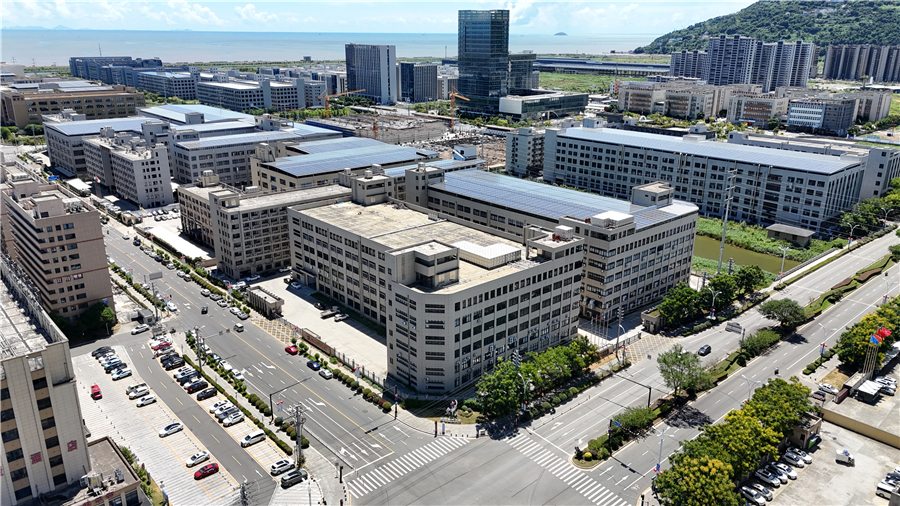


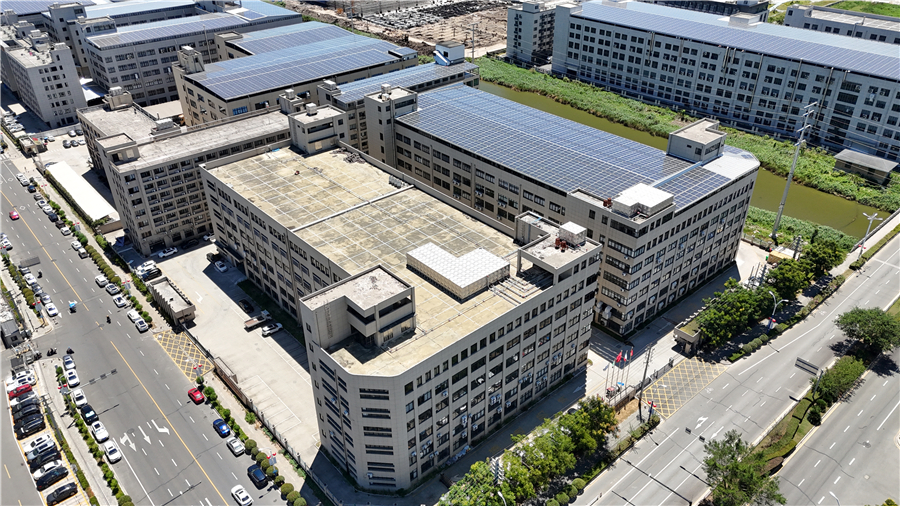
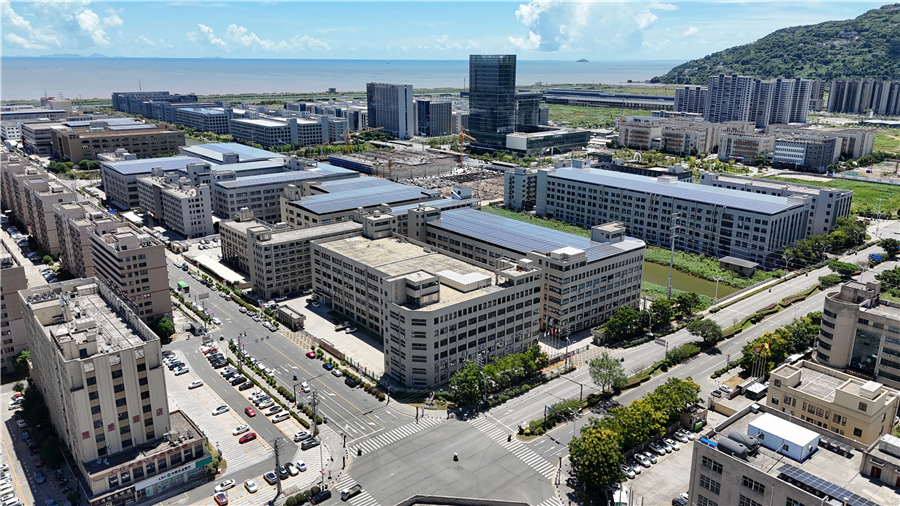
Our robust infrastructure enables us to efficiently process high-volume orders while also meeting our customers' evolving needs. Our experienced team of professionals, including designers, engineers, and quality control experts, transforms our clients' visions into tangible products. Our design team stays current with global trends, incorporating innovative features like lightweight materials, ergonomic handles, and smart storage solutions into our luggage, both classic and contemporary.
We provide custom design services to clients in over 18 regions annually, ensuring their specific needs are met with precision and creativity. Our commitment to excellence is reflected in our rigorous quality inspections at every stage of production. We use high-quality materials and strike a balance between durability and aesthetics, ensuring our products not only perform well but also appeal to consumers.
View All Products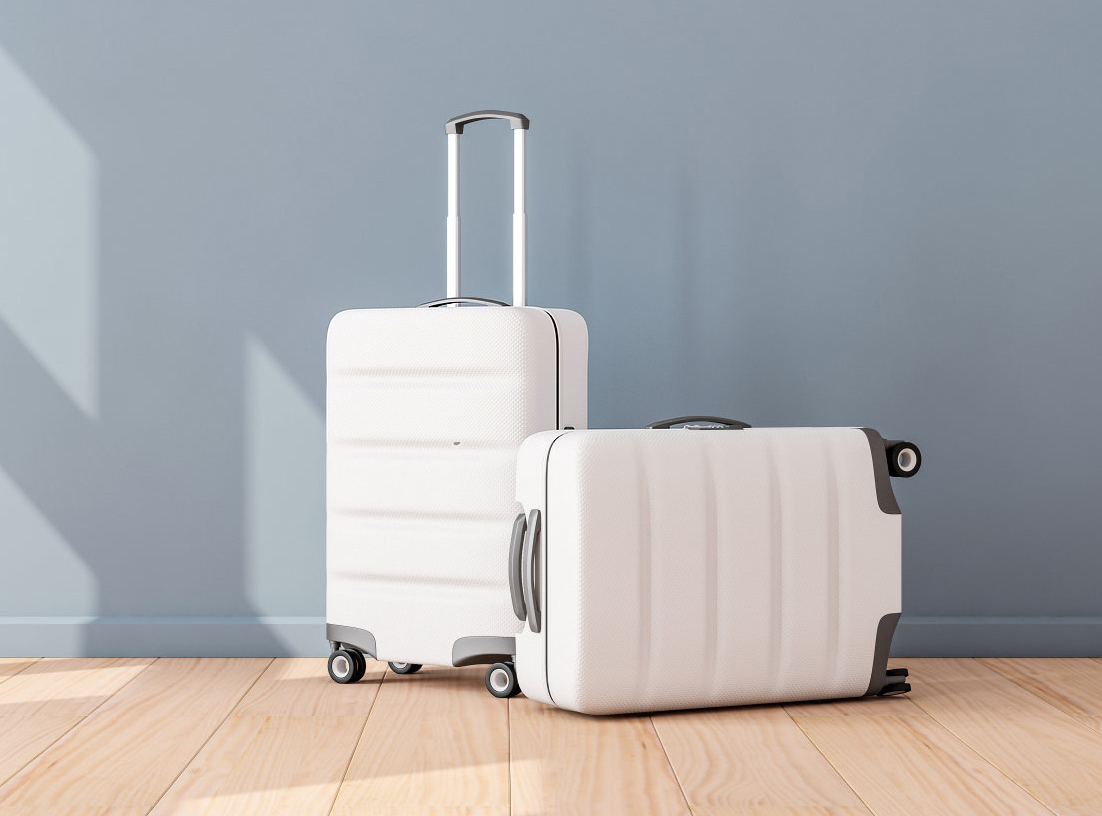
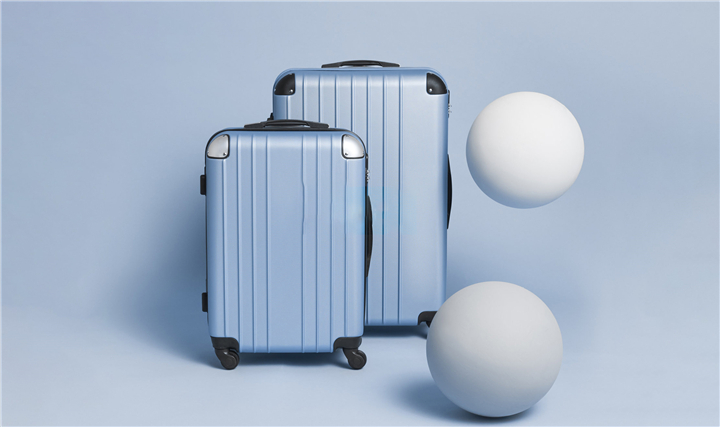

Our luggage accessories meet the same high standards as our luggage itself. Crafted from quality materials, each piece is built for durability. Every detail is refined for optimal performance, and all accessories undergo strict testing to ensure reliability — so they stand the test of time.
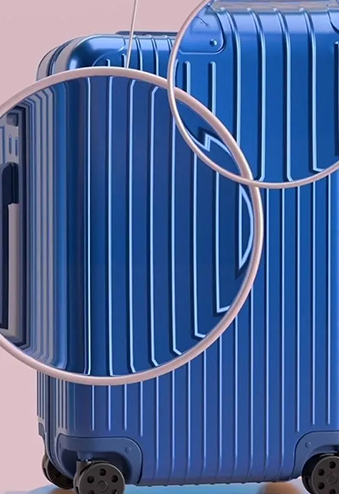

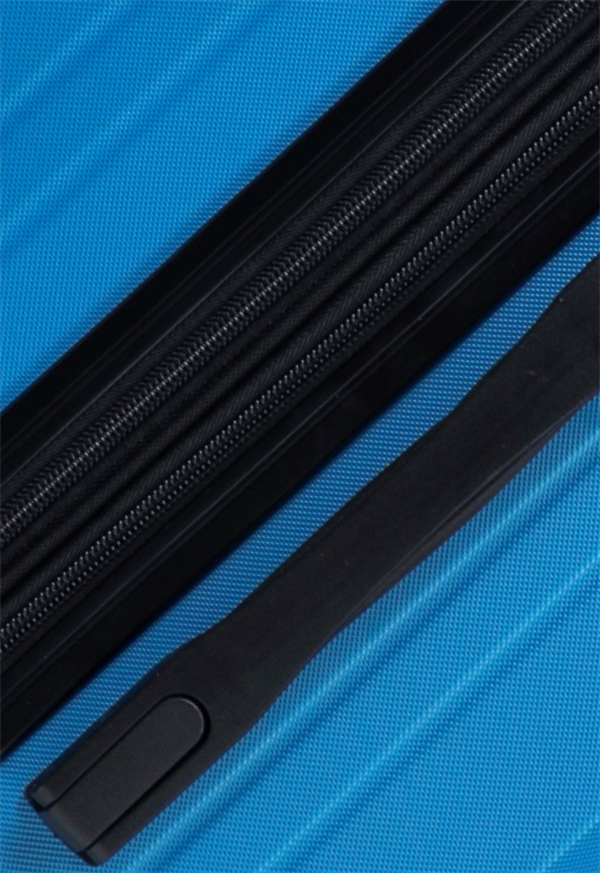
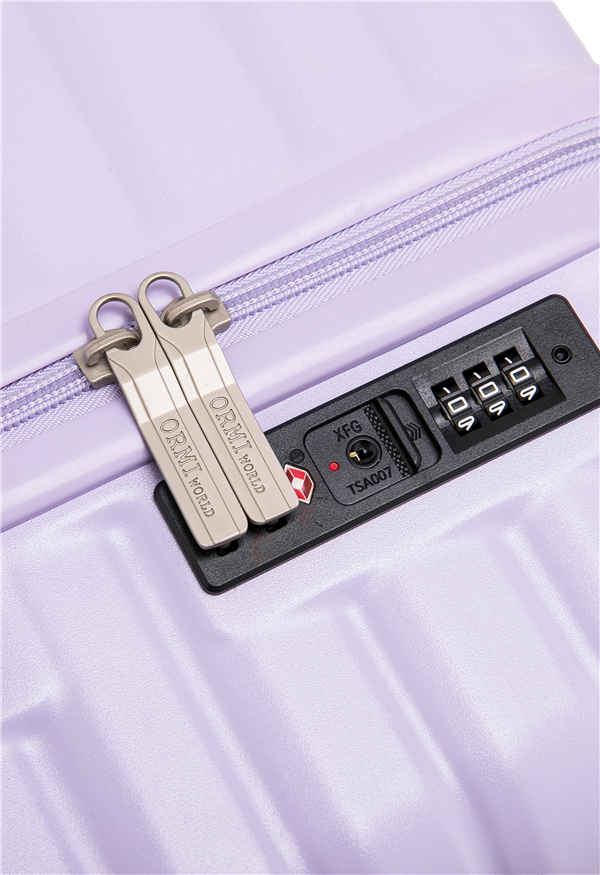
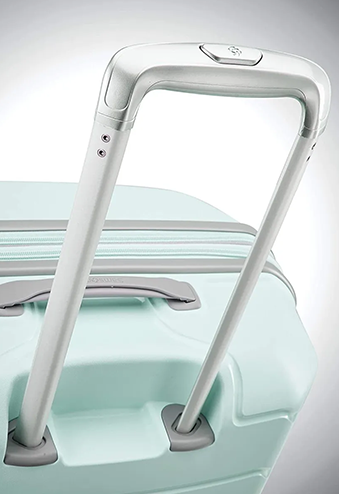
Whether you are a consumer selecting a personal travel companion or a retail buyer sourcing thousands of units for distribution, these are the definitive selection criteria for a carry on suitcase optimised for long-distance travel performance:
The most common carry on dimensions accepted by major international airlines fall within 56 × 45 × 25 cm (22 × 18 × 10 in), though budget carriers operating short-haul routes within longer itineraries often impose stricter 55 × 40 × 20 cm restrictions. Always verify that your carry on suitcase dimensions comply with the most restrictive carrier on your long-distance journey route.
An ideal carry on suitcase for long-distance journeys achieves a minimum 35-litre internal capacity at a shell weight below 2.8 kg. Subtract the suitcase weight from your airline's cabin allowance (typically 7–10 kg) to determine available packing capacity. Every 100 g of unnecessary suitcase weight translates directly to reduced packing flexibility.
Request drop-test certification data (minimum 1.2-metre drop from all six faces), wheel-rotation cycle test results (minimum 100 km equivalent), and zipper pull-strength certifications. Reputable ODM suppliers like Caesar Luggage provide full QC documentation for each production batch.
Long-distance journeys demand intelligent interior architecture: dedicated laptop sleeves, wet/dry compartment separation, compression straps with quick-release buckles, and mesh pocket systems that maintain organisation across multiple days of use without needing to unpack. The interior quality of a carry on suitcase is as important as the exterior shell for genuine long-haul usability.
Corporate buyers, retail chains, and brand licensees sourcing carry on suitcases for long-distance journey product lines should engage ODM partners early in the product development cycle. Custom colourways, private-label branding, proprietary interior configurations, and exclusive lock combinations are all achievable within standard OEM timelines of 60–90 days from specification approval to first production run.
Industry analysts predict that by 2027, 30% of premium carry on suitcases sold globally will incorporate at least one smart technology feature — embedded GPS trackers, USB-A/C charging pass-through ports, digital weight sensors, or Bluetooth-enabled lock systems. Manufacturers investing in these integrations today will define the long-distance journey luggage standard of tomorrow.
Our ability to offer highly competitive pricing without sacrificing quality has earned us a reliable reputation in the global marketplace.
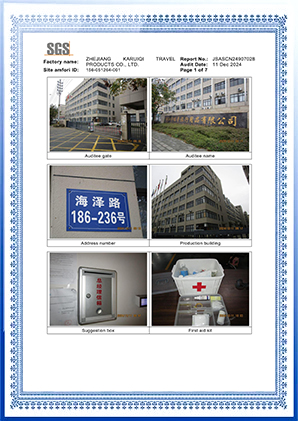
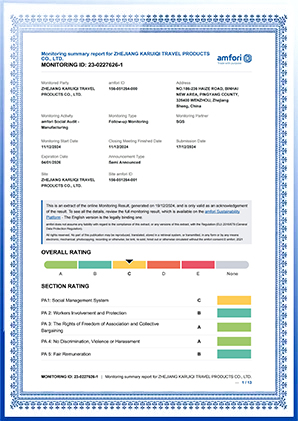
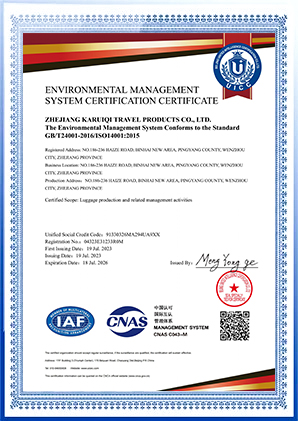
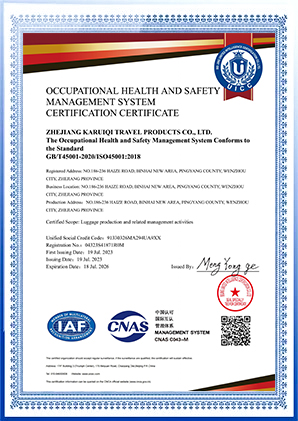
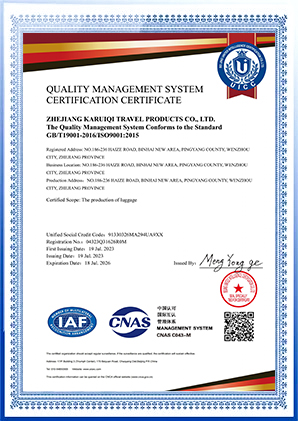
Our commitment to quality ensures that every product meets exacting standards, from cutting and sewing to assembly and finishing.
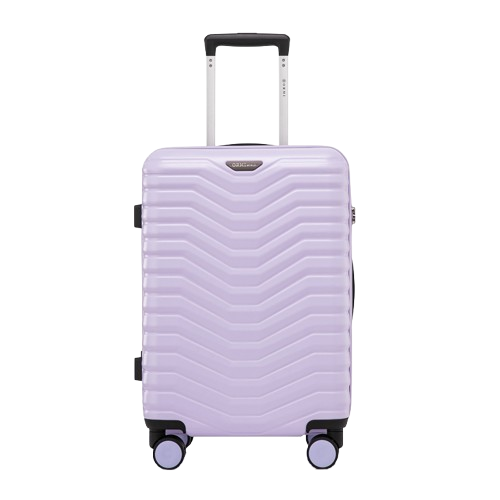
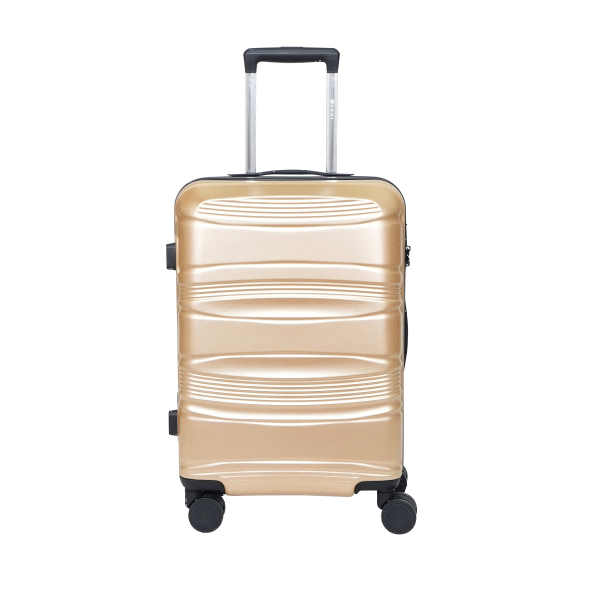
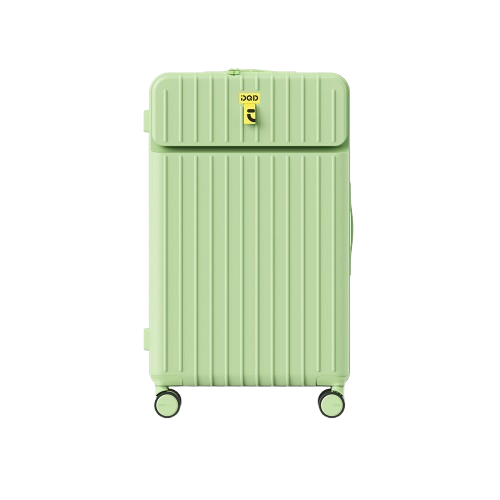
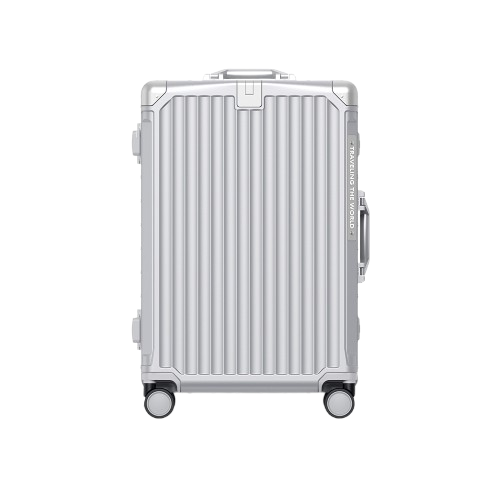
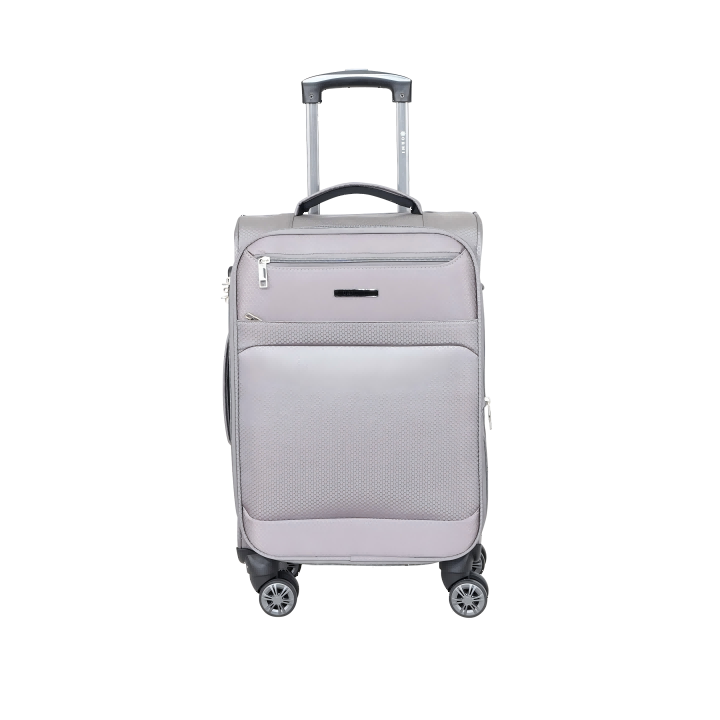
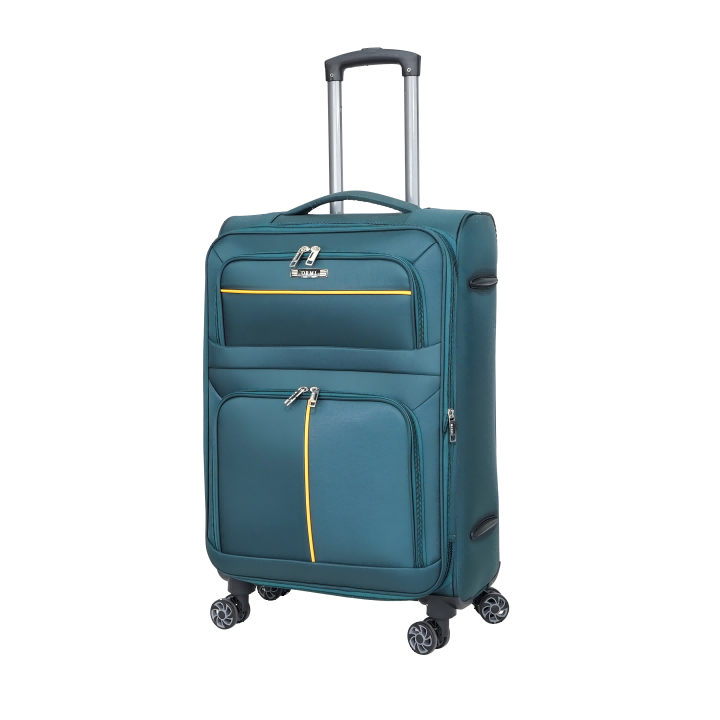
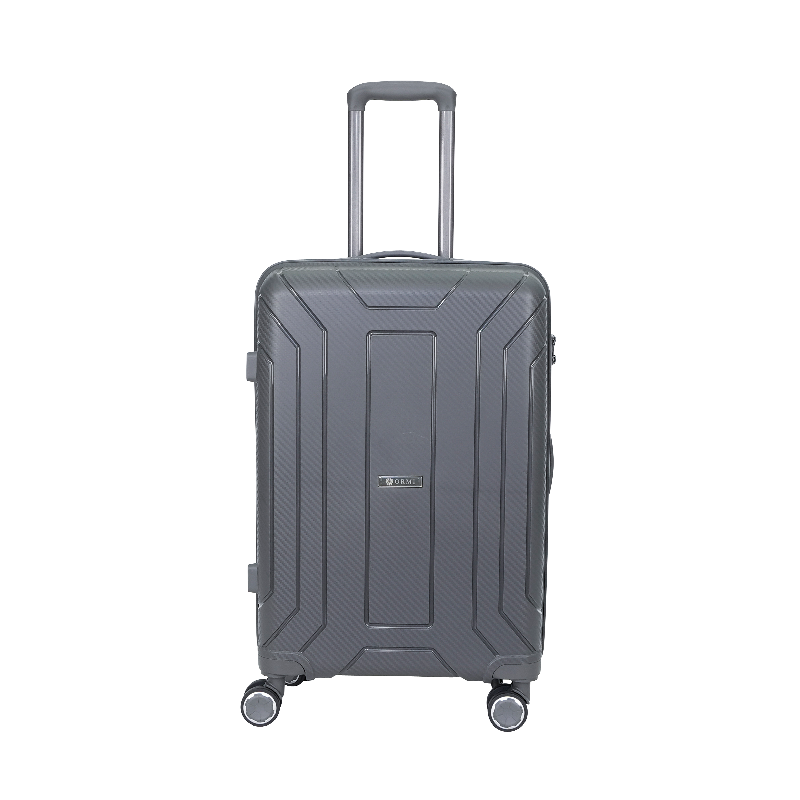
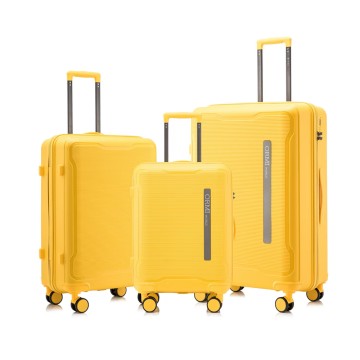
We are eager to build lasting partnerships and leverage our industry expertise to help our customers succeed in the ever-changing world of luggage retail and distribution. Looking ahead, we will maintain our commitment to innovation and excellence, continually striving to enhance our product offerings to meet the evolving needs of the luggage industry.
If you are looking for a reliable OEM/ODM partner for carry on suitcases designed for long-distance journeys — whether for retail, corporate, or private-label programmes — our team is ready to deliver.
If Question? Call Us:
📞 +86-13706644551 Click to Learn More About Caesar Trading
Ruian Caesar Trading Co., Ltd. is located in Ruian City, Zhejiang Province, China. With over a decade of specialized experience in the luggage industry, we have become a leading ODM (Original Design Manufacturer) and OEM (Original Equipment Manufacturer) luggage solutions provider. Our client base ranges from emerging brands seeking to establish themselves in the market to established retail giants seeking a reliable manufacturing partner.