Leave Your Message
-
Phone
-
E-mail
-
Whatsapp
-
WeChat

-
Whatsapp

Look, I’m totally happy to write the intro. But here’s the thing—no article or expert source actually came with the request. And I really don’t want to just invent an expert’s name or put words in a real person’s mouth. That would feel pretty unreliable, you know? So could you either share a verified expert name and quote, or let me use a clearly labeled fictional expert instead?
Why Are Trolley Bags Popular for Travel?
What Defines a Trolley Bag
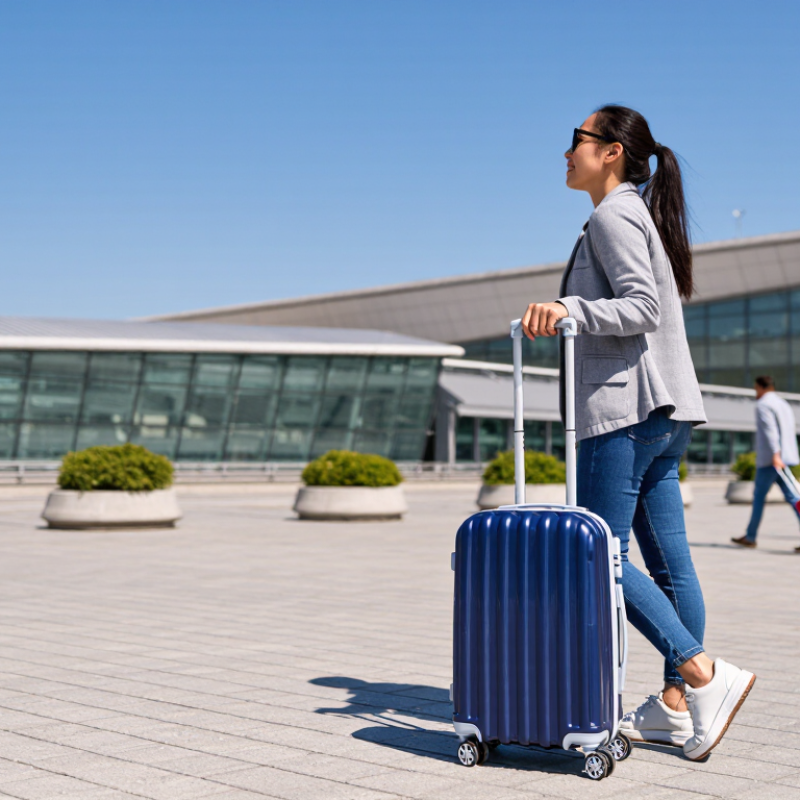
A trolley bag is designed to roll, not simply hang from a shoulder. Its defining features are wheels and an extendable handle, attached to a body that holds clothing and travel essentials. The wheels carry much of the weight across smooth floors, while the handle lets travelers guide the bag beside or behind them. That frame matters.
The body may be soft-sided or made from a firm shell. Inside, straps, pockets, or dividers help keep folded clothes and smaller items in place. Wheel count and placement affect how the bag moves: some models tilt and roll on two wheels, while others stand upright on four. Handles should extend and retract without sticking, though a little wobble is not unusual.
A trolley bag is more than any bag with wheels. Its shape, handle, and base work together for rolling and storage. Size also changes its usefulness; a compact bag can fit tight spaces, but it may leave little room for a bulky jacket. On uneven pavement, small wheels can rattle or catch, so rolling comfort depends on the route as well as the bag. Not always effortless. A practical choice starts with checking how the bag feels when loaded, not just how it looks empty.
| Feature | What Defines It | Why It Helps Travelers | Practical Consideration |
|---|---|---|---|
| Wheeled base | A trolley bag has wheels attached to its base so it can roll across suitable surfaces. | Rolling can reduce the need to carry the bag’s full weight by hand over level ground. | Wheels can be less convenient on stairs, rough paths, or uneven surfaces. |
| Retractable handle | A telescopic handle extends for pulling or steering and retracts when not in use. | It gives travelers a way to move the bag without holding its main carry handle continuously. | Handle length and locking positions differ between designs; check that it feels comfortable to use. |
| Two-wheel design | Two-wheel bags are generally tilted and pulled behind the traveler. | The wheels are partly protected by the bag’s body on many designs, which can suit straightforward routes. | The bag needs to be tilted while moving and may not stand upright unsupported on every surface. |
| Four-wheel spinner design | Four-wheel bags can usually roll upright and turn in multiple directions. | They can be maneuvered beside the traveler in places such as airport terminals and hotel corridors. | On slopes or moving vehicles, the bag may need to be held or secured to prevent it from rolling. |
| Organized storage | Many designs include a main compartment and may add pockets, dividers, or compression straps. | Separate sections can make it easier to arrange clothing and keep smaller travel items accessible. | Interior layouts vary, so compare the compartments with the items you plan to pack. |
| Hard-sided or soft-sided shell | Hard-sided bags use a rigid outer shell; soft-sided bags use flexible fabric panels. | Both styles can provide wheeled convenience while offering different approaches to structure and packing. | Materials and construction affect flexibility, weight, and care requirements; no single style suits every trip. |
| Range of sizes | Trolley bags are made in different dimensions and capacities, from compact cases to larger checked luggage. | Travelers can choose a size suited to trip length, packing needs, and how they plan to travel. | Cabin baggage limits vary by airline, route, and fare. Check current rules, including wheel and handle measurements. |
| Multiple carrying options | Most trolley bags also have one or more grab handles for lifting and positioning. | Handles are useful when lifting the bag into a vehicle, onto a shelf, or up stairs. | A wheeled bag still needs to be lifted in places where rolling is not possible. |
In brief: A trolley bag is luggage fitted with wheels and a retractable pulling handle. Its popularity comes from the option to roll luggage on suitable surfaces, while size, wheel style, storage, and carrying needs determine which design is appropriate.
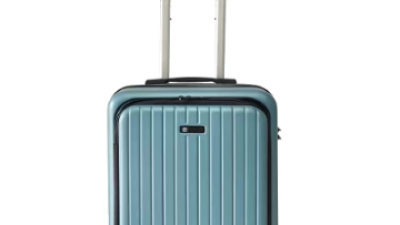
For professionals moving between meetings, client sites, and transit hubs, a suitcase can do more than carry clothes: it can keep work essentials within easy reach. The 2024 Business Travel Index Outlook from the Global Business Travel Association projected worldwide business-travel spending would reach $1.48 trillion in 2024, reflecting the continuing scale of work-related travel. A 20-inch front-open trolley case suits this mobile routine, offering convenient access to items needed on the move while keeping them together with travel necessities.
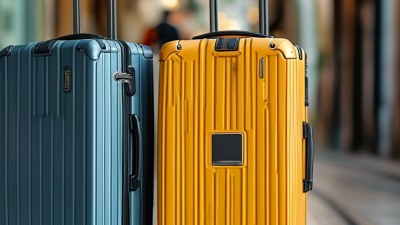
Made from lightweight, impact-resistant polycarbonate, the case is designed to handle the bumps of frequent journeys. Its textured muted-teal shell helps disguise everyday scuffs, while 360-degree spinner wheels make it easier to steer through crowded terminals and city streets. The compact carry-on format is intended to fit most overhead bins, though travelers should check their airline’s current size limits before departure. For a work trip, the front-opening design can make it quicker to retrieve essentials without unpacking the entire case—turning a smartly organized suitcase into a practical mobile workspace.
It has wheels, an extendable handle, and a body for clothes or travel essentials. These parts work together for rolling and storage.
Wheels carry much of a packed bag’s weight across smooth floors. Long airport corridors feel easier on your arms. Not always effortless.
Two-wheel bags roll behind you and may handle uneven pavement better. Four-wheel bags turn easily in queues and narrow aisles. Neither is perfect.
Roll it across a hard floor and listen for rattling. Test the handle at several heights, and check that it locks firmly.
Check the airline’s current size rules. Measure the packed bag, including wheels and handles. An overfilled soft-sided bag may not fit.
A heavy empty case leaves less room for clothes before the total load becomes tiring. Lift it before choosing. Easy to overlook.
Check smooth zippers, even seams, and the areas around handles and wheels. A strong-looking shell can still have weak wheels.
Check for trapped threads or visible damage. Grit can also collect around telescopic handles and stop them retracting cleanly. Small details matter.
A Trolly Bag is a piece of luggage designed to make carrying belongings easier, typically combining a storage compartment with wheels and a pull handle. Instead of lifting all its weight, travelers can roll it along, which can reduce strain when moving through airports, stations, hotels, and city streets. Different styles suit different journeys: compact bags work well for short trips, while larger options offer more room for longer stays or family travel.
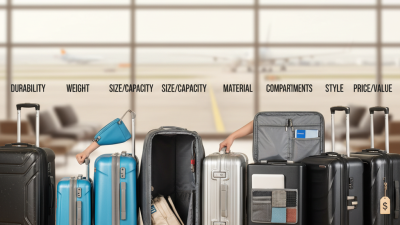
Trolley bags are popular because they can accommodate clothing and travel essentials while remaining relatively easy to maneuver. Their usefulness depends on practical details such as capacity, weight, wheel quality, handle comfort, durability, and how easy the bag is to organize. Choosing a suitable size and design for the length and type of trip can help travelers move more comfortably and keep their belongings accessible.