Navigating the ever-changing world of fashion can be pretty tricky, especially when it comes to picking the right suppliers. You know, Garment Bags are actually super important—they keep your clothing safe during transit and help make a great first impression. I recently came across a report from Market Research Future, and it’s pretty interesting—it's predicting the garment packaging industry will grow at about 4.5% annually from 2021 to 2026. That really shows just how much demand there is for top-notch OEM suppliers.
Some big players like Dongguan Cocon, Hangzhou Haining, and Fujian Xinhong are really leading the way. They focus on creating customized solutions to fit all kinds of business needs, which helps set the bar high when it comes to quality and innovation. That said, there are still challenges—like making sure quality control is on point. A lot of businesses have a hard time figuring out which suppliers they can really trust.
Finding the right source for garment bags can get complicated fast. It’s crucial to take the time to evaluate what suppliers can actually do. When you find a good partner, it can seriously boost how your brand presents itself. As the market keeps growing, making sure your packaging stands out is more important than ever. And of course, you’ll want to find that sweet spot between cost and quality—don’t overlook that part, either.
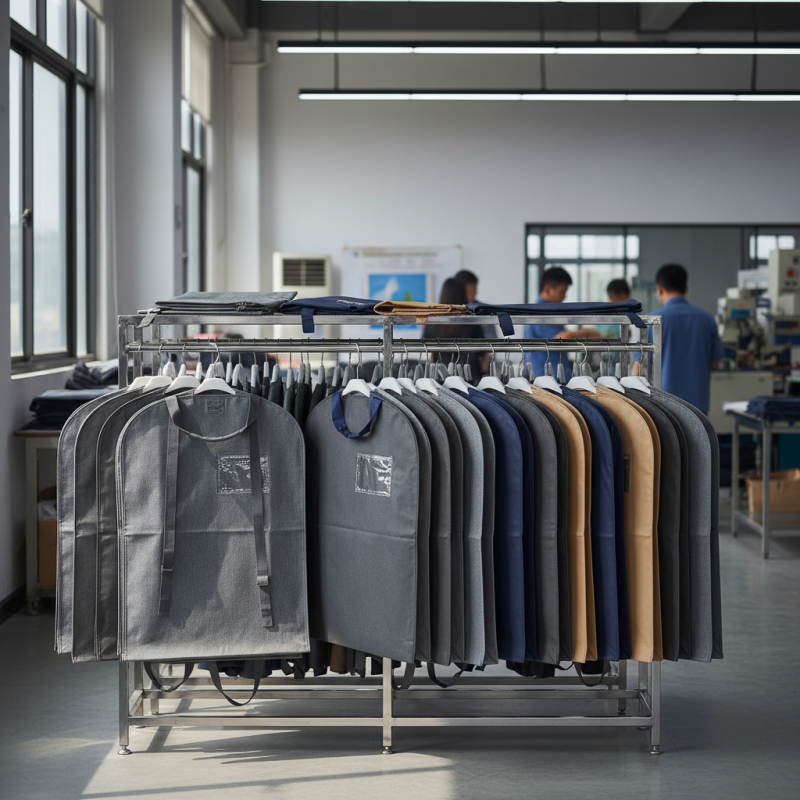
OEM garment bags serve a vital role in the fashion industry. These bags provide protection and professional presentation for various garments. A Dress Garment Bag, for instance, ensures that dresses arrive wrinkle-free and in pristine condition. This is particularly important for retailers and designers aiming to deliver high-quality products.
Many businesses overlook the importance of selecting the right garment bags. Inadequate packaging can lead to damaged goods and dissatisfied customers. Simple choices can have lasting impacts. Using a durable material is one way to enhance the quality of your products. Different styles and sizes are available, catering to diverse needs.
Yet, challenges persist. Some suppliers may not meet quality expectations. It’s crucial to evaluate potential partnerships carefully. Not every supplier may fully commit to quality. Consider asking for samples before making bulk orders. Taking these steps can help ensure the garments are well cared for.
| Supplier Type | Production Capacity | Material Options | Customization Features | Lead Time | Pricing Range (USD) |
|---|---|---|---|---|---|
| Eco-Friendly Manufacturers | 100,000 bags/month | Recycled Plastics, Biodegradable Materials | Logo Printing, Size Customization | 30 days | $1.50 - $4.00 |
| Luxury Garment Bag Suppliers | 50,000 bags/month | Leather, Velvet, High-Quality Fabric | Premium Stitching, Unique Designs | 60 days | $10.00 - $25.00 |
| Standard Garment Bag Manufacturers | 200,000 bags/month | Polyester, Nylon, PVC | Multiple Sizes, Zipper Options | 20 days | $0.50 - $2.50 |
| Specialty Bag Producers | 30,000 bags/month | Water-Resistant Materials, Custom Colors | Personalized Labels, Advanced Features | 45 days | $5.00 - $15.00 |
When selecting an OEM garment bag supplier, consider their industry experience. An experienced supplier understands market trends and customer demands. They should adapt quickly to your needs. This flexibility can make or break your project.
Quality is crucial in garment bags. Evaluate the materials used. Do they match your brand's standards? Inspecting samples can reveal a lot. Sometimes, samples might not meet your expectations. This is a red flag. Choose a supplier who welcomes quality feedback.
Tips: Always ask about production capabilities. Knowing their capacity helps in planning your orders. Also, consider their turnaround time. A slow supplier can disrupt your business rhythm. Lastly, look for suppliers offering a range of products. From Hanging Garment Bags to custom designs, variety is essential. Aim for a partner who can grow with you.
This bar chart represents the evaluation of key factors to consider when choosing an OEM garment bag supplier in 2026. The factors include Quality, Price, Delivery Time, Customer Support, and Sustainability.
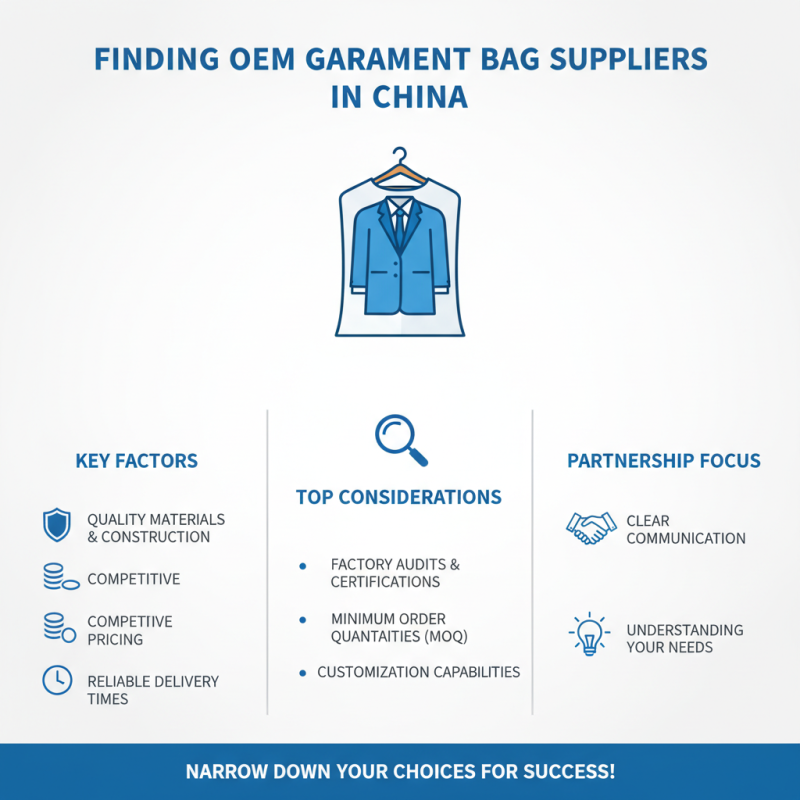
Finding the right OEM garment bag suppliers in China can be a challenge. With so many options, it’s easy to feel overwhelmed. It's crucial to consider factors like quality, price, and delivery times. A comprehensive list of top suppliers can help narrow down your choices. You want to partner with suppliers who understand your specific needs.
Many businesses seek durable options, including Wheeled Garment Bags. These bags provide convenience for travel, making them a preferred choice. Look for suppliers that specialize in innovative designs and materials. Check for details like zipper quality and stitching. Some suppliers might have inconsistent quality control, leading to unexpected issues. It’s worth investigating this aspect further.
Engaging with suppliers can sometimes feel daunting. Communication barriers may arise, leading to misunderstandings. Establishing clear expectations is important for success. Regular updates from suppliers can help ease this tension. Being open about your needs will foster better relationships. Prioritize suppliers who actively seek your feedback. This will ensure that they evolve with your changing business demands.
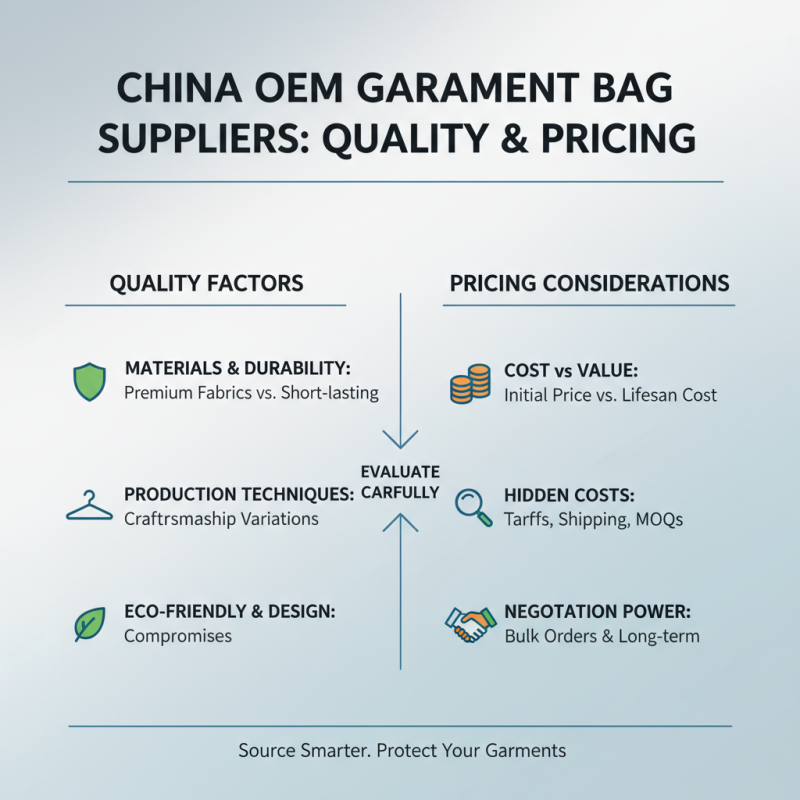
When evaluating OEM garment bags suppliers in China, quality and pricing are key factors. Many suppliers claim to offer premium materials and production techniques. However, a closer look reveals variations in standards. Some may produce vibrant colors but skimp on durability. Others may prioritize eco-friendly materials but compromise on design.
Pricing strategies vary significantly among suppliers. Some focus on low-cost production at the expense of quality. This can lead to unexpected costs in repairs or replacements later. Always request samples before making bulk orders. It can save you from potential losses.
Tips: Consider the supplier's reputation and reviews from previous clients. Look for any certifications they might have. This will provide insight into their commitment to quality. Don't hesitate to negotiate prices, but be cautious. Sometimes, the lowest price indicates subpar materials or service. Evaluate the total ownership cost, including shipping and import duties.
The garment bag industry is evolving rapidly, with innovative trends driving design and functionality. Manufacturers are increasingly incorporating eco-friendly materials. This shift meets environmental concerns while appealing to conscious consumers. Many brands are innovating with features like built-in garment protectors and customizable compartments. These add practicality and enhance user experience.
Tips: Consider your target audience when selecting materials. Eco-friendly options might resonate better with a younger demographic. Keep in mind that not every trend fits all markets. While Leather Garment Bags offer durability, they may not be the right choice for everyone. A balance between style and functionality is crucial.
Colors and textures are also key. Unique finishes can set a product apart. Textured fabrics, for instance, can provide a luxurious feel. Innovation can go too far, though. Some designs might prioritize aesthetics over usability, leading to frustration. Always test designs before mass production. Reflect on usability as much as style.
In recent years, sustainability has become crucial for OEM garment suppliers in China. Many companies are adopting eco-friendly materials. They are shifting towards recycled fabrics and non-toxic dyes. This movement aligns with global trends in responsible fashion. However, not all suppliers are on the same page. Some still prioritize profits over environmental practices.
Water usage remains a concern among these suppliers. Many factories still consume excessive amounts of water. While initiatives exist to reduce waste, they often fall short. Employees express the need for better training in sustainable practices. Enhancing awareness can drive meaningful change.
Looking forward, the challenge lies in balancing productivity with sustainability. Suppliers need to invest more in green technologies. Collaboration with eco-conscious brands could also foster better practices. The awareness is growing, but real results often feel just out of reach. As the industry continues to evolve, reflections on current practices are essential. Understanding the impact of choices is vital for a sustainable future.
Building successful partnerships with OEM suppliers in China requires clear communication. You must convey your expectations right from the start. Define product specifications and delivery timelines. This reduces misunderstandings and sets a solid foundation.
Trust is crucial in these partnerships. It takes time to build, but it's essential for long-term success. Regular check-ins can help. Visit factories if possible. This can strengthen relationships and enhance mutual understanding. Be prepared for challenges. Not every order will go smoothly. Reflecting on issues and learning from feedback is important.
Cultural differences also play a role. Understanding Chinese business etiquette can aid negotiations. Show respect and build rapport. This can lead to more favorable terms. Balancing assertiveness with flexibility is key. You may need to adapt your approach based on your supplier's capabilities. Each partnership is unique, and navigating these complexities can be rewarding.
: Users often report improved focus and clarity. Better sleep quality is another frequent benefit.
Yes, many users adapt them into routines. However, some struggle with consistency.
Results vary widely. Some notice changes in days, while others take weeks or longer.
Some may experience mild side effects like fatigue or headaches. Remember, individual reactions differ.
It’s okay to feel overwhelmed. Breaking tasks into smaller steps can help manage stress effectively.
Setting small, achievable goals can maintain motivation. Regular reflection on progress is also helpful.
This article provides a comprehensive overview of OEM garment bags and their significant role in enhancing business operations. It discusses the essential factors to consider when selecting an OEM garment bag supplier, emphasizing quality, pricing, and innovative design trends in the industry. A detailed list of the top suppliers in China for 2026 is presented, along with a comparative analysis of their offerings, allowing businesses to make informed decisions.
Moreover, the article highlights the increasing focus on sustainability practices among leading Chinese OEM garment suppliers, showcasing how eco-friendly innovations are shaping the market. Finally, it offers insights on building successful partnerships with OEM suppliers in China, which is crucial for businesses aiming to streamline their supply chain and improve product offerings with high-quality garment bags.