Leave Your Message
0%

Looking into the top 10 cabin size bag manufacturers in China for global buyers, this guide explores how Chinese suppliers turn compact travel needs into ready-to-sell products. It’s pretty practical — things like shell strength, wheel clearance, handle stability, zipper quality, interior space, and how well they sample and test their products all matter. A typical cabin bag has to fit within roughly 55 x 40 x 20 cm, but still needs to hold a laptop, a couple of shirts, and maybe a pair of shoes. Not exactly huge, but enough for a quick trip!

Travel gear expert Doug Dyment, who runs OneBag.com, has a good rule of thumb: “The more you carry, the more you have to carry.” It’s a helpful reminder when thinking about cabin luggage. A lighter bag is easier to handle, no doubt, but if it’s made with thin materials, it might not handle bumps or rough handling very well. On the flip side, a bigger bag might seem like a better deal because of the extra space, but if it’s poorly organized, you’re wasting room and potential. So, buyers really should pay close attention to actual specs—don’t just go for pretty photos!

This guide reviews ten Chinese brands, including Echolac, Crown, Hanke, NINETYGO, LEVEL8, MATEIN, Arctic Hunter, Coolbell, Ginza, and Heshe. We looked at their manufacturing experience, materials, quality control, how flexible they are with customization, their production capacity, and how reliable their communication is. Of course, factory audits, sample testing, and verified certifications are always a must. The thing is, info available online can sometimes be spotty or outdated. Some rankings here might change once you do your own verification—that’s just part of the game. Nobody’s perfect, and no single brand will fit every airline or traveler out there. Still, these manufacturers give a pretty solid starting point for global buyers hunting for trustworthy cabin bag partners, clearer sourcing options, and fewer surprises during inspections before shipping.
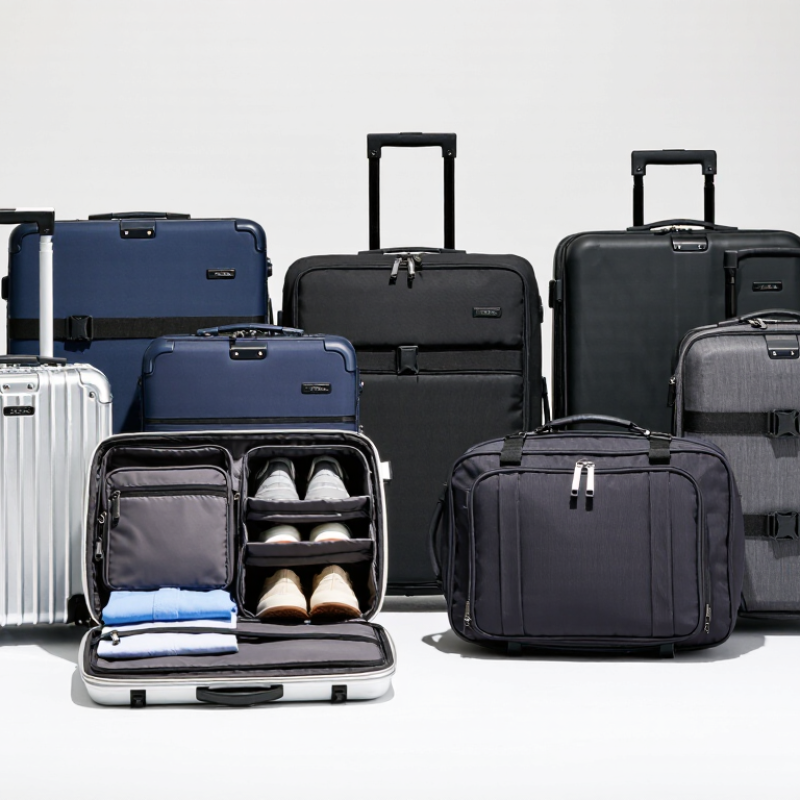
China Top 10 Cabin Size Bag Manufacturers for Global Buyers

China’s Cabin-Size Bag Manufacturing Industry at a Glance

China’s cabin-size bag manufacturing industry serves a wide range of global buyers. Production is concentrated in established luggage and textile regions, where suppliers combine cutting, sewing, molding, and assembly capabilities. Many factories can develop samples within days, but speed should not replace verification. A neat sample may still hide weak stitching or uneven wheel alignment.

Manufacturers commonly produce soft-sided, hard-shell, and hybrid cabin bags. Materials include polyester, polycarbonate, aluminum alloys, zippers, molded handles, and reinforced corner parts.

Experienced buyers usually check shell thickness, fabric density, handle strength, wheel noise, and lining quality. Details matter. A cabin bag may look compact, yet small changes in internal structure can reduce usable packing space.

Quality control often covers incoming materials, in-line sewing, assembly, and final inspection. Reliable suppliers can provide measurement records, carton details, test samples, and production photographs. They should also understand destination-market requirements for product labeling, materials, packaging, and transport safety. However, factory claims are not enough. Independent inspections remain useful, especially for first orders or customized designs. Some suppliers still depend heavily on manual checks, creating variation between production batches. That gap matters. Buyers should confirm tolerances, defect standards, replacement procedures, and lead times in writing before production begins. Clear communication helps, but it does not remove every manufacturing risk.

Key Standards for Selecting a Cabin-Size Bag Manufacturer

Choosing among Global Leading Cabin Size Bag Manufacturers requires more than comparing catalog prices. A reliable supplier should show practical experience with cabin luggage, not only attractive product photos. Request a physical sample before placing a large order. Check its handle movement, wheel alignment, zipper resistance, and stitching under ordinary use. Small defects often appear after repeated packing.

Ask the manufacturer for clear production standards and inspection records. Important details include exterior dimensions, empty weight, fabric or shell composition, lining quality, and load-bearing performance. Cabin limits vary between carriers and routes, so accurate measurement matters. A trustworthy factory should explain tolerances instead of promising impossible uniformity. It should also provide pre-shipment inspection procedures, carton specifications, and traceable batch information.

Visit the production floor when possible, or arrange a documented remote audit. Observe cutting accuracy, sewing lines, assembly controls, and storage conditions. Experienced buyers should compare the approved sample with mass-production units. They may not match perfectly; that is a point worth examining. Ask how the factory handles color variation, replacement parts, delayed materials, and customer complaints. Communication speed is useful, but honest reporting is more valuable. Certifications can support credibility, yet certificates alone do not prove consistent workmanship. Check their issuing bodies, validity dates, and connection to the actual production site.

Top 10 China-Based Cabin-Size Bag Manufacturers for Global Buyers

China-based cabin-size bag manufacturers serve global buyers with flexible production, competitive pricing, and broad material choices. Experienced factories usually support custom dimensions, lining fabrics, wheels, handles, zippers, and logo placement. Buyers should request factory photos, sample records, quality procedures, and recent testing documents before placing an order. A useful search phrase is “It Cabin Bag,” but exact cabin limits vary by airline and destination.

Tips: Confirm finished measurements, including wheels and handles. Ask for a pre-production sample. Check fabric abrasion, zipper strength, handle movement, and wheel noise. Request carton dimensions and shipment weight early. These details affect both passenger use and freight costs.

Reliable manufacturers explain their inspection process clearly. They may check stitching density, seam strength, trolley alignment, and color consistency. A responsible supplier also confirms production capacity during busy seasons. Communication matters more than polished catalog images.

In my sourcing experience, small measurement differences can create major retail problems. One sample may look excellent, yet the second batch can reveal uneven stitching or weaker hardware. That risk deserves written inspection standards and approval checkpoints.

Some buyers focus too heavily on unit price. I have found that stable quality, responsive corrections, and realistic delivery schedules often protect margins better. Factories with export experience can also prepare packing lists and product specifications more accurately, although no supplier is perfect. Regular follow-up remains necessary.

Product Range, Materials, and Customization Capabilities

China Top 10 Cabin Size Bag Manufacturers for Global Buyers

Leading cabin bag manufacturers in China usually offer hard-shell, soft-sided, garment, and expandable carry-on ranges. Buyers should compare more than catalog photos. Common shell materials include ABS, polycarbonate, aluminum, and recycled plastics. ABS keeps prices accessible, while polycarbonate usually offers better impact resistance. Aluminum provides a rigid structure but adds weight. Soft-sided models often use polyester or nylon with reinforced stitching.

Size details require careful checking. A suitcase listed as cabin size may exceed an airline’s limits after adding wheels and handles. Ask for complete external measurements, including every protruding part. Interior capacity also depends on frame thickness and divider design. Small differences matter. Wheel quality matters too. Test rolling noise, handle wobble, zipper strength, and corner protection during sample evaluation.

Customization can include shell colors, lining patterns, wheel housings, handle shapes, packing systems, labels, and retail packaging. Experienced factories should provide drawings, material specifications, pre-production samples, and inspection records. Request testing for handle fatigue, wheel endurance, drop resistance, zipper cycles, and chemical safety. Confirm compliance with the destination market before production.

No supplier is perfect. A beautiful prototype may hide inconsistent stitching or weak fasteners. I have found that clear tolerances prevent expensive misunderstandings. Buyers should also review minimum order quantities, replacement-part support, lead times, and quality-control checkpoints. Customization is valuable, but excessive features can increase weight, failure risks, and delivery complexity. Simpler designs often perform better in daily travel.

China Top 10 Cabin Size Bag Manufacturers for Global Buyers

Product Range, Materials, and Customization Capabilities

This anonymous market comparison summarizes common capabilities among leading Chinese cabin-size bag manufacturers. The values represent the number of manufacturers, out of 10, offering each product category, material option, or customization service.

Quality Control, Certifications, and Production Capacity

China’s cabin-size bag manufacturers should be assessed through evidence, not catalog images. A reliable factory can show incoming material records, cutting inspections, stitching checks, and final packing reports. Inspectors should measure wheels, handles, seams, and dimensions from random samples. Small errors can cause airline rejection.

Quality control becomes clearer when suppliers use documented inspection plans and AQL sampling. Ask for abrasion, handle-pull, zipper-cycle, wheel-rolling, and drop-test results. For a Cabin Bag Large, confirm its loaded dimensions, not only the empty shell. Airline limits differ, so written tolerance data matters. Very few factories are flawless. Repeated defects should be explained, corrected, and tracked.

Certifications also need careful verification. ISO 9001 may support process management, but it does not prove every bag is durable. Request valid certificates, issuing-body details, test dates, and matching factory addresses. Material compliance reports should cover applicable market requirements, such as restricted-substance controls. Production capacity should be measured using monthly output, active lines, workforce stability, and peak-season lead times. A factory claiming 50,000 units monthly should explain its machinery, subcontracting policy, and inspection coverage. These questions may feel uncomfortable. They often reveal the real manufacturing capability.

Pricing, Minimum Orders, and Export Service Considerations

Choosing among China’s top cabin size bag manufacturers requires more than comparing catalogue prices. A Light Cabin Bag may cost 4 to 9 USD at factory level, depending on fabric, wheels, lining, and handle construction. Custom colors, logo printing, and reinforced corners usually increase the unit price. Request a detailed quotation with packaging, inspection, and shipping terms shown separately. Low prices can hide weak zippers or thin wheel housings.

Minimum Orders Minimum orders often range from 300 to 1,000 pieces per color. Some factories accept smaller trial orders, but charge more for sampling and setup. Ask whether the sample fee is refundable after bulk production. A practical buyer should test wheel movement, handle wobble, seam strength, and actual cabin dimensions. Paper specifications are not enough. I have seen attractive samples fail after repeated loading, which is an uncomfortable but useful warning.

Export service can determine whether a good product becomes a costly mistake. Confirm carton measurements, pallet options, production updates, and export documents before payment. Experienced suppliers should explain inspection stages and provide clear photos before shipment. They should also understand destination labeling and transport requirements without making unsupported compliance claims. Communication speed matters, especially when a color or measurement changes. Still, perfect service rarely exists. Leave time for corrections, because rushed approvals often create expensive errors.

Lightweight Travel Made Easy: Why ABS Expandable Suitcases with TSA Locks Are a Smart Choice

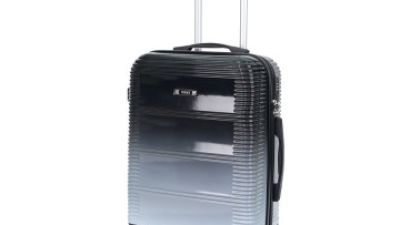
Lightweight travel becomes much easier with an ABS expandable suitcase designed for the needs of frequent travelers. Its durable hard shell provides reliable protection while helping resist everyday scratches, so it can handle the challenges of busy airports and changing travel conditions. Despite its sturdy construction, the suitcase remains easy to move, allowing you to travel comfortably without unnecessary bulk. Smooth-rolling wheels glide across airport floors, while the telescoping handle and convenient short handle give you flexible carrying options.

The expandable design is especially useful when your packing needs change during a trip. With extra space available when needed, you can comfortably accommodate clothing, souvenirs, or other travel essentials without forcing the suitcase closed. Inside, a divider and multiple zippered pockets help separate items and keep smaller belongings organized. A TSA lock adds an extra layer of security while supporting smoother travel through airport screening procedures. Combining practical organization, flexible capacity, dependable mobility, and secure design, this suitcase is a smart choice for travelers who want convenience without sacrificing durability.

FAQS

What types of cabin-size bags are commonly manufactured in China?

Factories commonly produce soft-sided, hard-shell, and hybrid cabin bags. Materials may include polyester, polycarbonate, aluminum alloys, zippers, and molded handles. Small details matter.

What should buyers inspect on a cabin-size bag sample?

Check shell thickness, fabric density, handle strength, wheel alignment, wheel noise, stitching, and lining quality. Push the handle several times. Rotate each wheel. A neat sample can still hide weak construction.

How quickly can manufacturers develop samples?

Many suppliers can develop samples within several days. Speed should not replace verification. Allow time for corrections and repeated testing.

What is the typical factory-level price for a light cabin bag?

A basic light cabin bag may cost about 4 to 9 USD at factory level. Fabric, wheels, lining, handles, colors, printing, and reinforced corners affect pricing. Very low prices may hide thin wheel housings or weak zippers.

What minimum order quantity should buyers expect?

Minimum orders often range from 300 to 1,000 pieces per color. Some factories accept smaller trial orders with higher sampling or setup charges. Ask whether the sample fee becomes refundable.

How can buyers test a bag before bulk production?

Measure its actual cabin dimensions and check usable packing space. Test wheel movement, handle wobble, seam strength, and loading performance. Paper specifications are not enough. Repeated loading may reveal problems.

What quality-control records should a supplier provide?

Request material records, measurement reports, carton details, test samples, and production photographs. Quality checks may cover incoming materials, sewing, assembly, and final inspection. Manual checks can create batch differences.

What export details should buyers confirm before payment?

Confirm carton measurements, pallet options, production updates, inspection stages, and export documents. Check destination labeling, packaging, and transport requirements. Get tolerances, defect standards, replacement procedures, and lead times in writing. Perfect service is unlikely. Leave room for mistakes.

Conclusion

China’s cabin-size bag manufacturing industry offers global buyers a broad supply base, competitive pricing, and flexible production options. This summary explains how to evaluate a reliable Cabin Size Bag manufacturer by reviewing product design, airline size requirements, material durability, stitching quality, hardware, and customization capabilities. Buyers should also consider whether suppliers can provide different styles, compartments, colors, logos, packaging, and private-label solutions to match specific market needs.

The article presents ten China-based manufacturers selected for their product range, manufacturing experience, quality-control procedures, certifications, production capacity, and export-support capabilities. It also highlights practical factors such as minimum order quantities, sample development, lead times, communication, shipping coordination, and total purchasing cost. By comparing these elements carefully, importers, distributors, and travel-product retailers can identify suitable manufacturing partners and develop dependable Cabin Size Bag programs for international markets while maintaining consistent quality and compliance.

Sophie

Sophie

Sophie is a dedicated marketing professional at Ruian Caesar Trading Co., Ltd., located in the vibrant Ruian City of Zhejiang Province, China. With over a decade of specialized experience in the luggage industry, she possesses an in-depth understanding of market trends and consumer needs. Sophie's......
Previous Who Are the Top Soft Case Manufacturers in China?