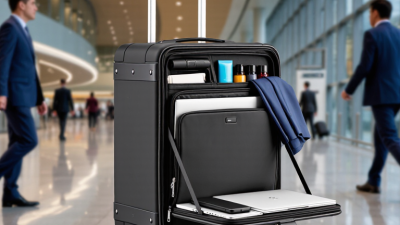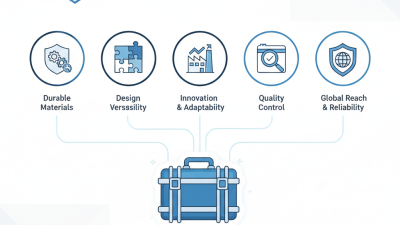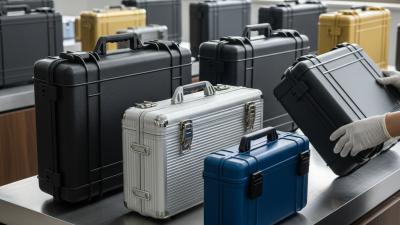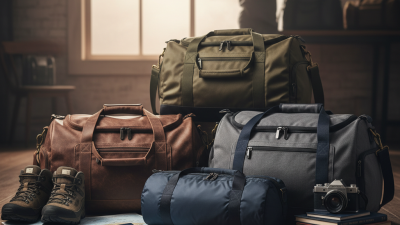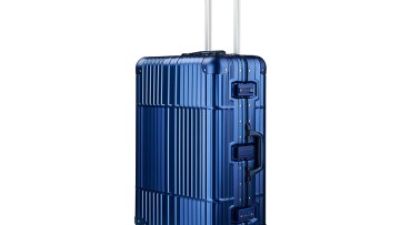
So, what exactly is Rolling Trunk Luggage? Think of it as a trunk that grew wheels. It keeps that sturdy, boxy shape, but you can roll it around like a regular suitcase. That boxy design gives you plenty of room for folded clothes, shoes, camera gear, and all those little travel extras. And unlike soft-sided bags, it tends to hold its shape when you shove it under a bed or into the car trunk. That's actually a big deal on busy trips. The hard exterior also helps shield fragile stuff from pressure and the occasional bump. In real life, smooth wheels and a stable handle make a surprising difference when you're rolling through hotel hallways, train platforms, and airport terminals.
Now, is it perfect? Nope. The rigid body can feel heavier than a fabric suitcase, and the wider frame might be awkward in narrow aisles. So the right pick really comes down to how you travel, how you pack, and how much you want to lug around. Look for reinforced corners, reliable zippers, balanced weight, and wheels that roll quietly. Small things matter. A handle that starts wobbling after a few trips? Yeah, that gets old fast. Materials like polycarbonate, aluminum, or sturdy ABS each have their own trade-offs when it comes to weight, flex, and impact resistance. Product tests and honest user reviews can help a lot, but they're no substitute for checking the case yourself. Rolling Trunk Luggage works well for travelers who like structure, organization, and a look that stands out. It won't be for everyone. And that's exactly the point to think about before buying. A good trunk should make the journey easier, not turn into one more thing to drag around.
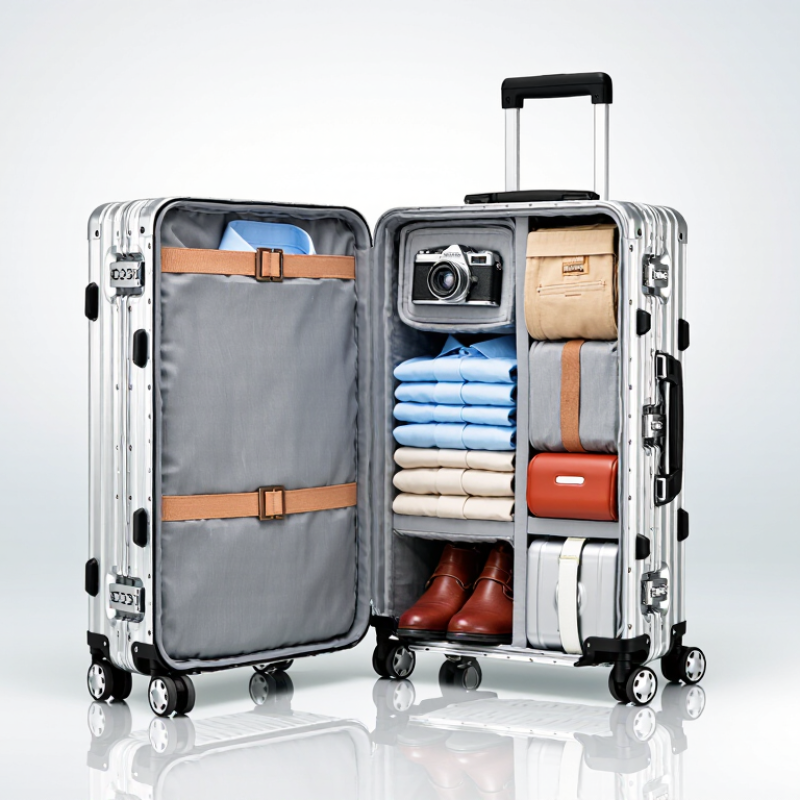
Rolling trunk luggage is a deep, box-shaped travel case fitted with wheels and a pull handle. Unlike standard suitcases, it offers greater vertical space for bulky clothing, shoes, and travel equipment. Its rigid shell helps protect contents from pressure and rough handling. Many designs also include reinforced corners, secure closures, and a wide opening for easier packing.
The core feature is stability. Larger wheels should roll smoothly across airport floors, hotel carpets, and uneven pavement. A strong telescopic handle should extend without excessive movement. Inside, compression straps and divided compartments keep items from shifting during transit.
A water-resistant exterior is useful in sudden rain, although it does not make the case completely waterproof. Small details matter.
In practical luggage testing, I check wheel noise, handle balance, zipper movement, and corner strength. These simple checks often reveal weaknesses that product photos hide. China OEM Rolling Trunk Luggage Suppliers may offer different shell materials, wheel systems, and interior layouts for specific travel needs. Buyers should verify sample quality before placing large orders. A deep trunk can hold more, but it may also encourage overpacking and become difficult to lift. That trade-off deserves honest consideration. Some models feel remarkably stable when full, while others become awkward on stairs. No design is perfect.
Rolling trunk luggage is designed around a deep, box-like body rather than a narrow suitcase shape. Its rigid shell protects folded clothing, shoes, and larger travel items from heavy pressure. The opening usually runs across the top, allowing the case to open like a storage chest. That wide access matters. In product inspections, I check whether the lid stays balanced and closes evenly. A weak hinge can make packing frustrating.
Inside, the structure often includes a firm base plate, corner supports, compression straps, and a zippered divider. The base prevents the luggage from sagging when fully loaded. Compression straps hold garments against the shell and reduce movement during transit. Some designs add reinforced corners because those areas receive repeated impacts. The telescopic handle is connected to internal tubes, not just the outer shell. This connection needs careful alignment. Otherwise, the handle may wobble after regular use.
The wheel system is another important part of the design. Large wheels improve movement over rough floors, while sealed bearings can reduce noise and friction. However, bigger wheels also consume interior space. I once underestimated this trade-off during a sample review. The case looked spacious, but its usable capacity was smaller than expected. Reliable manufacturers test handle cycles, wheel loading, zipper strength, and shell resistance before production. China OEM Rolling Trunk Luggage Exporters should also provide clear material details and inspection records. These documents help buyers judge consistency instead of trusting appearance alone. No structure is perfect. Good design balances protection, capacity, weight, and repairability.
Rolling trunk luggage has a taller, boxier body than a traditional suitcase. Its vertical structure creates more usable depth for shoes, folded jackets, and packing cubes. A hinged lid often opens like a cabinet, so items remain visible instead of hiding beneath one large flap. This design can feel organized beside a hotel bed. It can also feel awkward in narrow train aisles.
The main difference is access. Traditional suitcases usually open from the center, requiring space on both sides. Trunk luggage often opens from one side, which helps in compact rooms. Its reinforced corners and larger wheels may improve stability on uneven pavements. However, the taller profile can become unstable when heavily packed. No shape is perfect. A trunk case may also fit fewer overhead compartments, depending on airline limits.
Handling quality deserves close attention. SITA’s 2024 Baggage IT Insights reported 6.9 mishandled bags per 1,000 passengers in 2023. Strong wheel mounts, reliable handles, and clear identification details therefore matter. IATA Resolution 753 also requires baggage tracking at four key journey points, making readable tags and secure closures practical choices. For buyers comparing China OEM Rolling Trunk Luggage Companies, ask for wheel-cycle tests, shell impact results, zipper testing, and measured dimensions. Factory claims are not enough. A sample dragged across rough pavement often reveals more than polished product photographs.
Rolling trunk luggage is a deep, rectangular suitcase with wheels, a sturdy handle, and expanded vertical storage. Its boxy shape uses space efficiently, especially for shoes, jackets, and packing cubes. The wide base also keeps the case stable beside a hotel bed or airport seat.
That is the appeal.
The main benefit is capacity without excessive stacking. A structured interior can separate folded clothes from heavier items. Four smooth wheels usually allow easy movement through terminals and narrow hotel corridors. Durable corners and reinforced handles can also protect belongings during repeated travel.
SITA’s Baggage IT Insights 2024 reported 6.9 mishandled bags per 1,000 passengers in 2023. A rolling trunk cannot prevent mishandling, but strong construction and clear interior organization may reduce avoidable damage. Still, bigger is not automatically better. A full trunk can become heavy, awkward on stairs, and difficult to lift into a vehicle.
Tips:
Check the empty weight before buying. Leave room for expansion, but avoid overpacking. Measure the case against your airline’s current size limits. Choose recessed wheels for better protection, especially when crossing uneven pavement. A built-in divider helps, although packing cubes often provide more flexible organization. Test the handle at full extension. Small weaknesses become obvious then. Industry data supports careful baggage planning, but personal travel habits matter more than marketing claims.
Rolling trunk luggage is a deep, box-shaped suitcase built for bulky clothing, shoes, and equipment. Its large interior can reduce the need for several smaller bags. However, extra capacity often means extra weight.
When selecting one, check its empty weight before admiring its storage space. A heavy case may become difficult to lift when fully packed. Measure the length, width, and height, including wheels and handles. Then compare those measurements with your usual carrier’s current baggage limits. These rules can vary.
Test it fully loaded.
Wheel quality deserves careful attention. Choose smooth-rolling wheels with a stable base and protective housing. Spin them on both tile and carpet if possible. The handle should extend without sticking and remain firm under gentle pressure. A rigid shell can protect delicate items, while reinforced fabric may provide more flexibility. Neither option is perfect. Hard shells can show scratches, and fabric cases may absorb moisture.
Look inside for compression straps, divided sections, and a washable lining. These details keep heavy shoes away from clean clothing and prevent small items from disappearing. A strong zipper is useful, but inspect its stitching and corner construction. I once chose a case with impressive capacity but weak wheel alignment; it became awkward after several trips. That mistake changed my priorities. Practical balance matters more than maximum volume. Select a trunk that you can lift, steer, secure, and store comfortably in real conditions.
Rolling trunk luggage is a large, structured case with wheels and a reinforced frame. Its deep design provides more packing capacity than many conventional suitcases, making it suitable for extended trips, bulky clothing, and family travel.
How to select the right size: A compact trunk of about 55 cm can suit short trips, while medium and large trunks offer greater capacity for longer travel. The figures below show approximate external volume calculated from representative luggage dimensions; usable packing space is lower because of the frame, wheels, lining, and handles.
Rolling trunk luggage combines a deep case with sturdy wheels and a long handle. Its wide shape suits bulky clothing, shoes, and equipment. In my packing tests, the deeper interior kept folded garments flatter than a narrow suitcase. However, an overfilled trunk becomes awkward on stairs and uneven pavements.
The SITA Baggage IT Insights 2024 report recorded 6.9 mishandled bags per 1,000 passengers in 2023. That figure makes organization important, not optional. Use packing cubes for clothing and place fragile items between soft layers. Keep chargers, medication, and travel documents in a smaller top compartment. A luggage tag with current contact details also helps staff identify your case quickly. I still sometimes pack too much. That mistake adds weight fast.
Tips: Check the empty case weight before buying. Measure it against your airline’s published limits. Heavy items should sit near the wheels, reducing strain on the handle. Leave a small gap inside, because zippers and seams need breathing room. Test the wheels on tile and carpet before a long trip. A Global Leading Rolling Trunk Luggage Company should provide clear capacity measurements, wheel specifications, and care guidance. Marketing language alone is not enough. Look for verifiable test information and a practical warranty.
A smart traveler needs carry-on luggage that combines dependable protection with effortless mobility. This zipperless, all-aluminum carry-on is designed to fit the common size requirements of major airlines, making it easy to place in overhead compartments without checking an extra bag. Its compact capacity is well suited to short getaways, overnight business trips, and organized packing for frequent journeys. The rigid aluminum shell helps protect clothing, electronics, and essentials from bumps during transit, while vibrant color options add a distinctive touch to your travel style.
Movement is smooth and quiet thanks to 360-degree dual spinner wheels that glide across airport floors as well as gravel, mud, stairs, grass, and sandy beaches. Two TSA-approved combination locks secure the case while allowing authorized inspections without unnecessary damage. The three-stage aluminum telescopic handle extends from a compact position to a comfortable height, and its tested design is built to withstand 10,000 to 12,000 cycles. With a tight internal structure that helps reduce shaking, this carry-on offers steady handling from the moment you leave home to the final stop on your itinerary.
It is a deep, box-shaped travel case with wheels and a pull handle. It provides extra vertical space for clothing, shoes, and equipment. More room, more weight.
A trunk usually has a deeper interior and wider opening. Its rigid shell can protect belongings from pressure and rough handling. However, its larger shape may feel awkward on stairs.
Check wheel movement, handle balance, zipper action, and corner strength. Roll it across tile, carpet, and uneven pavement. Photos cannot reveal every weakness.
Use packing cubes to separate shirts, trousers, and small items. Place fragile objects between soft clothing layers. Keep some empty space inside.
Place heavy items close to the wheels. This position can reduce pressure on the pull handle. It also improves balance when the case is full.
Keep medication, chargers, and travel documents in a smaller top compartment. Use a luggage tag with current contact details. Small details matter.
No. A water-resistant exterior can help during sudden rain. It cannot guarantee protection in heavy or prolonged water exposure. Use extra protection when conditions look uncertain.
Yes. Its deep interior may encourage overpacking. Check the empty case weight before purchasing. Measure the packed case against published travel limits.
Organization reduces movement during transit and makes items easier to find. Compression straps and divided compartments can keep clothing in place. I still sometimes pack too much.
Test the wheels, handle, closures, and corners with a realistic load. Listen for unusual wheel noise on hard floors. A full case may behave differently.
Rolling Trunk Luggage is a spacious, durable travel case designed to combine the capacity of a trunk with the mobility of wheeled luggage. Its wide, box-like structure usually provides a large main compartment, reinforced corners, sturdy handles, smooth-rolling wheels, and organized storage areas. Compared with traditional suitcases, it often offers greater packing depth, a broader opening, and improved stability, making it useful for longer trips, bulky clothing, or carefully arranged belongings.
The main benefits of Rolling Trunk Luggage include efficient organization, strong protection, easy movement, and better use of available space. When selecting one, consider its size, weight, wheel quality, handle strength, shell durability, interior layout, and compatibility with travel requirements. For practical use, pack heavier items near the bottom, place frequently needed belongings in accessible sections, avoid overfilling, and distribute weight evenly. With thoughtful packing and proper handling, Rolling Trunk Luggage can provide a convenient and reliable solution for a wide range of journeys.