Leave Your Message
-
Phone
-
E-mail
-
Whatsapp
-
WeChat

-
Whatsapp

Picking out the right Hand Carry Bag isn’t just about what’s in your shopping cart; it really starts with your actual travel plans. I’ve learned this firsthand—like, for a quick business trip, I might go for a sleek leather case, but for a weekend getaway, I definitely need something more robust with better compartments. Trust me, after dragging bags through packed stations, squeezing into tight airplane aisles, or battling rain on city streets, I get it—no matter how stylish, a bag can become super uncomfortable after just an hour.
When you’re choosing, pay attention to weight, size, materials, and how easy it is to access your stuff. Always check your airline’s current carry-on size rules before you buy—because, honestly, they tend to change, and what’s okay today might not be tomorrow. When measuring your bag, do it when it’s fully packed, including all those outside pockets and handles. Look for sturdy stitching, smooth zippers, balanced handles, and a comfy shoulder strap—like, padded enough not to hurt your shoulder on a long carry. Water-resistant fabric is a bonus, especially for those quick rain showers that catch you off guard, but don’t assume it’s totally waterproof. Little details like these really make a difference.
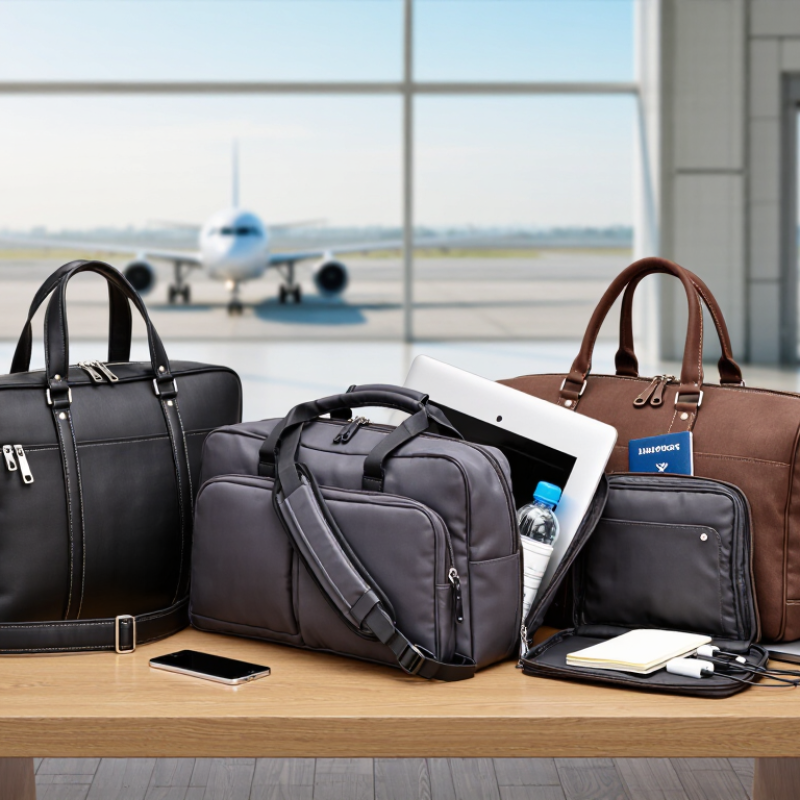
And hey, think about how you’ll actually use it on the daily. A good hand carry bag should fit your body, match your packing style, and suit your travel routine. When testing it out, toss in your laptop, charger, passport, notebook, and water bottle—then try lifting it with one hand and walking around for a few minutes. Does the handle pinch your palm? Does the bag tip forward? Those small things tell you a lot about how comfortable it really is—forget about the perfect photos online. I’ve also learned that looks shouldn’t be everything. I once went for a super stylish, polished-looking bag, but it had zero internal structure, and finding my stuff got so frustrating. That was a real eye-opener and totally changed the way I shop.
Even when labels say a material is tough or claim high durability, I always do my homework. Read reviews from people who’ve actually used the bag, check out the return policies, and compare the real-world features—not just promises or fancy marketing. Honestly, the best bag isn’t always the cheapest or trendiest. It’s the one that feels reliable, keeps you organized, and stays comfortable through all those travel adventures—you know, the things that really count.
How to Choose the Right Hand Carry Bag?
Define Your Purpose and Daily Carrying Needs
Start with the routine. A hand carry bag should match what you actually transport each day. List your essentials before comparing styles, including a wallet, keys, phone, notebook, water bottle, and charger. If you carry a laptop, measure it rather than guessing its size. A tight compartment can damage corners and make packing frustrating.
Think about carrying time, too. A bag used for ten minutes needs different support from one carried across a busy city. Check the handle length, grip comfort, and total weight when empty. Structured handles may feel professional, but soft handles can reduce pressure during longer walks. I once chose a beautiful bag with narrow handles. It became uncomfortable before lunchtime. That mistake changed how I judge practicality.
Weather and organization deserve attention. A secure closure helps prevent items from falling out on crowded transport. Water-resistant material can protect documents during a sudden shower, but it does not make the bag completely waterproof. Interior pockets should fit your habits, not create extra digging. Place your daily items inside a sample bag and carry it for several minutes. Notice whether it swings, pulls your shoulder, or refuses to stand upright. A slightly larger bag may seem useful, yet unused space often encourages unnecessary weight. Choose the capacity you can manage consistently.
| Bag Type | Typical Capacity | Approx. Empty Weight | Common Daily Items | Best Purpose | Recommended Carrying Conditions | Advantages | Limitations |
|---|---|---|---|---|---|---|---|
| Compact Handbag | 3–7 L | 0.3–0.8 kg | Wallet, phone, keys, glasses, small cosmetics | Light daily errands and social occasions | Short trips with minimal personal belongings | Lightweight, easy to organize, visually compact | Limited space; usually cannot hold documents or large electronics |
| Structured Tote | 10–20 L | 0.6–1.2 kg | Notebook, tablet, water bottle, wallet, compact umbrella | Office commuting, shopping, and everyday use | Carrying moderate loads by hand or shoulder | Wide opening, stable shape, fast access to contents | Handles may become uncomfortable when heavily loaded; limited hands-free use |
| Work Briefcase | 8–15 L | 0.8–1.5 kg | Documents, laptop, charger, notebook, pens | Formal business meetings and professional commuting | Organized carrying where document protection matters | Protective structure, professional appearance, dedicated compartments | Less flexible for bulky items; often less comfortable for long walks |
| Laptop Shoulder Bag | 10–18 L | 0.7–1.4 kg | Laptop, tablet, charger, files, headphones, water bottle | Daily commuting with electronics | Public transport, short walks, and frequent access to devices | Padded device protection, adjustable strap, practical organization | Uneven weight distribution when carried on one shoulder |
| Canvas Utility Bag | 12–25 L | 0.5–1.1 kg | Groceries, books, lunch container, light clothing | Shopping, casual activities, and flexible daily carrying | Carrying irregular or moderately bulky items | Durable construction, flexible storage, easy to fold when empty | Usually offers less padding and fewer internal compartments |
| Convertible Carryall | 15–25 L | 0.8–1.5 kg | Laptop, clothing layer, water bottle, documents, personal items | Work-to-travel transitions and mixed daily needs | Situations requiring hand, shoulder, or backpack carrying | Versatile carrying options and adaptable capacity | More hardware can add weight; conversion features may reduce simplicity |
| Travel Weekender | 25–40 L | 0.9–1.8 kg | Clothing, toiletries, shoes, travel documents, electronics | Overnight trips and short travel | Carrying larger loads for one or two days | High capacity, wide opening, convenient packing access | Can become heavy and awkward for extended walking or crowded transit |
| Small Crossbody Bag | 2–6 L | 0.2–0.6 kg | Phone, wallet, passport, keys, compact power bank | Hands-free urban movement and sightseeing | Walking, commuting, and situations requiring both hands | Hands-free convenience, easy access, and low overall weight | Small capacity; shoulder strap may become uncomfortable under heavy loads |
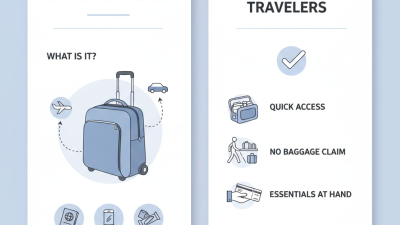
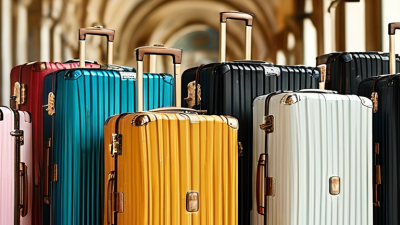
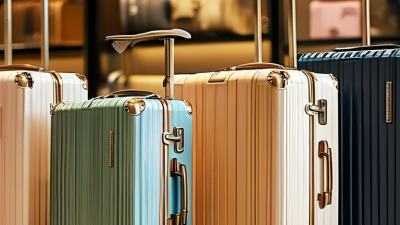
Choosing a three-piece luggage set starts with matching each case to the way you travel. The smallest case should fit typical airline carry-on limits, often around 56 × 45 × 25 cm under IATA guidance, although dimensions and weight allowances vary by carrier. The two larger pieces should remain within common checked-bag limits, usually measured by total linear dimensions. SITA’s 2024 Baggage IT Insights reported 6.9 mishandled bags per 1,000 passengers in 2023, highlighting why secure construction, clear identification, and dependable wheels matter when luggage passes through busy airports.
For flexible carry-on and checked travel, look for a set that balances protection with easy handling. An eggshell-style case can help shield belongings from pressure and impact, while a Y-strap compression system keeps clothing organized and creates additional packing space. A stain-resistant lining supports cleaner long-term use, especially across multi-city itineraries. The carry-on described here adds airline- and security-screening-friendly proportions, quiet 360-degree spinner wheels designed to handle cobblestones, and a multi-stop telescopic handle with a soft grip. These details make navigation smoother through terminals, narrow aisles, and city streets. Before purchasing, compare the full set’s dimensions, empty weight, warranty coverage, wheel quality, and handle stability with the airlines you use most, ensuring one practical solution for both short trips and extended checked travel.
List your essentials first: wallet, keys, phone, notebook, bottle, and charger. Add your laptop measurements, not guesses. Choose a bag that fits your routine without unused space. More room can create more weight.
Check handle length, grip softness, and empty weight. Carry the loaded bag for ten minutes. Notice pressure, swinging, and balance. Narrow handles may look elegant but hurt before lunch.
Place your laptop, charger, notebook, and bottle inside. Confirm that the zipper closes without force. The laptop should not press against the edges. A crowded compartment becomes frustrating quickly.
Polyester is light and dries quickly, but ordinary polyester is not waterproof. Cotton feels pleasant but absorbs rain and becomes heavy. Coated fabric can help during short showers. Recycled material does not automatically mean stronger construction.
Place tissues inside the bag. Spray the outside for several minutes, then inspect the seams. Pay special attention to handles and zipper areas. This test is useful, but imperfect.
Look for dense stitching, reinforced handles, and strong stitching points where straps meet the body. A covered zipper can reduce water entry. Sealed seams offer better protection than stitching alone. Appearance can mislead.
Structured edges suit tailored clothing and formal meetings. Softer canvas often works with denim, knitwear, or relaxed office clothing. For work, consider a padded laptop section and firm base. Style matters, but comfort matters longer.
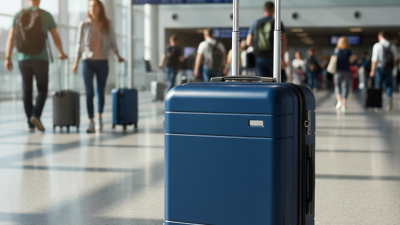
Measure the bag with handles, wheels, and outer pockets included. Common cabin guidance is about 56 × 45 × 25 centimeters. Rules vary between carriers, so check current limits before departure. A slightly smaller bag may prevent stressful gate problems.
Pack only items you use regularly. Test the bag during a normal day, not just in front of a mirror. Remove unused pockets, backup items, and duplicate chargers. I still sometimes pack too much. That is worth reconsidering.
Choosing the right Hand Carry Bag begins with understanding how you plan to use it. Consider whether you need it for work, commuting, travel, shopping, or everyday essentials, then select a style that suits those activities. Pay close attention to the bag’s size, capacity, and internal organization, including compartments for items such as documents, electronics, personal belongings, and accessories. A well-organized design can make daily use more convenient without adding unnecessary bulk.
Material quality and construction are also important factors. Look for durable fabrics, reliable stitching, secure closures, and suitable weather resistance based on your environment. Check the handles for comfort and strength, while also considering the bag’s weight and portability when fully packed. Finally, choose a color, shape, and overall design that reflects your personal taste and professional image. The ideal bag should combine practicality, durability, comfort, and style for your specific daily needs.