Leave Your Message
0%

Picking the right carry-on suitcase isn’t as straightforward as it might seem—there's a pretty uncomfortable truth you need to accept: no single model works perfectly for every trip. Some small, sleek cases might zip through busy stations without a fuss, but then struggle when you try to pack a winter coat. On the flip side, bigger suitcases hold more stuff but might not even make it onto a plane’s cabin—those size limits are real. The 2024 IATA Global Passenger Survey highlights that travelers are after smoother airports and less hassle during their journeys, so choosing luggage that’s practical becomes a big deal. Nobody wants delays or spending forever at the gate trying to squeeze everything in.

Now, airline rules are a huge factor here. Even though IATA sets some industry guidelines, it’s ultimately each airline that calls the shots on cabin dimensions, weight restrictions, and how strictly they enforce them. So, always double-check the airline’s latest info before you buy a bag. For example, a suitcase measuring 55 × 40 × 20 centimeters could fit fine with one airline but be too big for another. And don’t forget, those wheels, handles, and external pockets count too.

It’s all about those small details. Look for sturdy spinner wheels, a solid telescopic handle, and a balanced interior layout. If you’re trying to stick to a 7-kilogram weight limit, poor design will quickly become obvious. Heavy-frame luggage eats up space before you even get to your clothes. For business travelers, a padded compartment for the laptop makes life easier, and compression panels can help keep shirts from getting all wrinkled and squished during travel.

Also, industry forecasts show that passenger numbers are only going to keep rising. The Airports Council International World reports that global traveler traffic will keep growing in the coming years. More people means busier airports and tougher competition for overhead bins. But here’s the thing—statistics can’t really tell you what the ‘best’ suitcase is. You need to test out the handle height, spin stability, zipper quality, and how comfortable it is to lift. The perfect bag might not be flawless, but it should at least fit your airline’s rules, your trip plans, your packing style, and how much you’re willing to compromise.
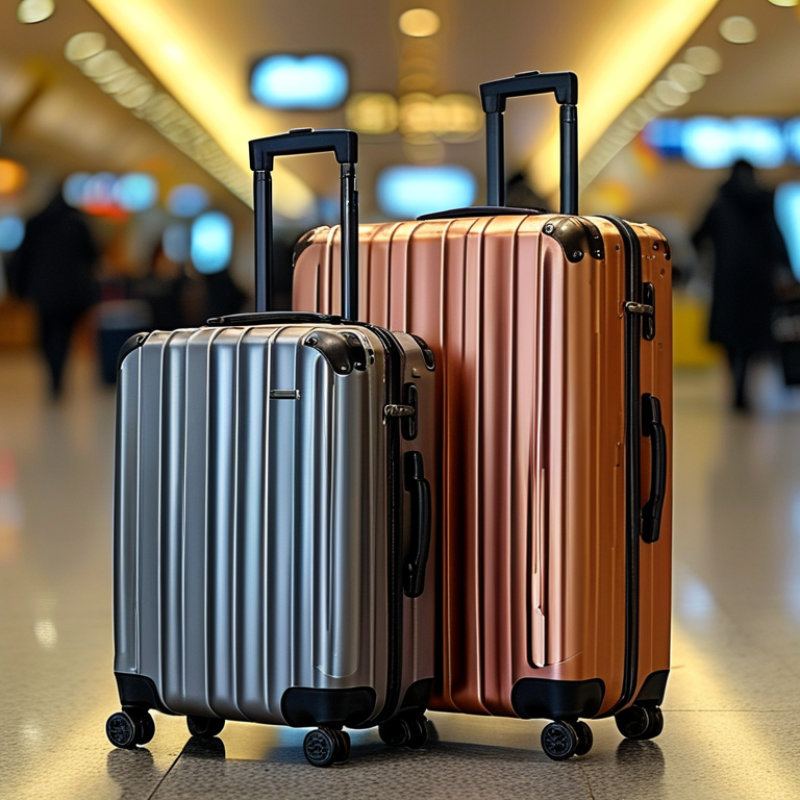
How to Choose the Best Carry On Suitcase for Travel?

Define Your Travel Needs and Carry-On Requirements

Choosing the best carry-on suitcase starts with your actual travel routine, not an attractive shell. Think about trip length, transport, and packing habits. A two-night business trip needs different space than a week of train travel. Will you carry it across uneven streets? Do you often move between hotels? These questions reveal whether a Carry On Suitcase Small is practical or frustrating.

Write down your airline’s current cabin dimensions and weight limit before shopping. Requirements can vary by route, fare, and aircraft, so check the official carrier page before departure. Measure the suitcase with wheels, handles, and outside pockets included. Then test it at home with your usual items. Pack shoes, a jacket, toiletries, and electronics. Lift the packed case with one hand. It should fit your strength, not just the measuring tape.

I prefer four smooth-rolling wheels for busy terminals, but two larger wheels can handle rough pavement better. A firm handle, balanced weight, and secure closure matter more than decorative features. I once trusted an expansion zipper and overpacked until the suitcase barely fit the airport sizer. That mistake changed my routine. Now I leave room for souvenirs and check the interior seams before every trip. Still, my preference may not suit light packers or travelers who avoid rolling luggage. Try carrying it upstairs. That test feels more honest than a showroom floor.

Compare Suitcase Sizes, Weight, and Airline Compatibility

Choosing a carry-on suitcase starts with measurements, not appearance. Airline limits can differ by route, aircraft, and ticket type. Check the current size rules before buying. Measure the case with wheels, handles, and side pockets included. These parts often add several centimeters.

A compact case usually fits more overhead compartments, but it may hold less clothing. A larger carry-on offers space for shoes, a jacket, and a small toiletry bag. However, overfilling can make it difficult to close.

I prefer a case that leaves a little room. That habit is not always practical, especially after shopping.

Weight matters before packing begins. A lightweight suitcase gives you more capacity within a typical cabin weight limit. Still, extremely light materials may feel less stable on uneven pavement.

During one trip, my packed case reached the limit quickly because of a heavy frame. I should have weighed it at home.

A small luggage scale can prevent an awkward airport repacking scene.

Compare the suitcase dimensions with several airlines you may use. Do not rely only on a general “standard cabin size.” Some carriers measure height, width, and depth separately. Others apply different limits to basic and flexible fares. A soft-sided design may compress slightly, but it cannot solve every measurement problem. Spinner wheels move smoothly indoors, while two-wheel cases often handle rough sidewalks better. Consider your real route, not an ideal one.

Choose the Right Materials and Construction Quality

Choosing the best Travel Suitcase Carry On starts with its materials and construction quality. A lightweight shell is useful, but strength matters more when the case meets rough pavements or crowded luggage areas. Polycarbonate usually offers flexibility and impact resistance. ABS can be lighter, but it may crack more easily under repeated pressure. Fabric cases provide useful exterior pockets, although their seams need careful inspection.

Feel the handle. It should extend smoothly without excessive movement. A strong telescopic handle reduces strain when rolling through stations or airports. Check that the wheels rotate quietly and do not wobble. Four-wheel designs move easily on smooth floors, but small wheels can struggle on uneven sidewalks. Reinforced corners and clean stitching often reveal better construction. Zippers should glide without catching, while the lining should sit flat inside.

Tips: Place the suitcase on the floor and push it over a rough surface. Test every wheel, handle position, zipper, and lock area before buying. Look closely at the wheel housing, because it receives repeated impact. Pack a few realistic items if possible. Empty-case tests can be misleading. I once preferred a lighter case, then noticed its flexible frame bent under a modest load. That experience changed my priorities. Weight still matters, but durable construction usually protects both the suitcase and your belongings better.

How to Choose the Best Carry-On Suitcase: Material Density

Typical material density is shown in kilograms per cubic meter. Polypropylene and ABS are lighter options, while polycarbonate offers a balance of low weight and impact resistance. Aluminum is substantially denser, so construction quality becomes especially important: check reinforced corners, strong wheel housings, smooth zippers, secure telescopic handles, and evenly joined shell panels. Actual suitcase weight also depends on shell thickness, frame design, lining, hardware, and overall construction.

Evaluate Wheels, Handles, Compartments, and Security Features

How to Choose the Best Carry On Suitcase for Travel?

A carry-on suitcase should move easily through crowded terminals and narrow airplane aisles. Test all wheels on a hard floor before buying. They should roll smoothly, track straight, and resist wobbling. Four-wheel designs often turn neatly, but two-wheel models can handle rough pavement better. I have found that wheel quality matters more than stylish appearance. A loose wheel becomes irritating quickly. Very quickly.

Check the handle at different heights. It should lock firmly without excessive movement. Push the suitcase with one hand, then pull it behind you. Short handles may strain taller travelers, while long handles can feel unstable. I sometimes prefer a slightly heavier frame when the handle feels solid. Still, weight limits make that choice imperfect. Inside, look for compartments that separate shoes, clothing, and small electronics. Compression panels can reduce shifting, but excessive pockets may waste valuable space. Zippers should glide smoothly and have reinforced stitching.

Security features should be practical, not decorative. Choose lockable zippers, durable closures, and a shell that does not flex easily. Follow current airport guidance because inspection procedures differ by destination. Avoid hiding important items in difficult-to-reach spaces. A suitcase with a clear layout helps you notice missing belongings sooner.

Tips: Pack a sample load and test the suitcase fully. Lift it into an overhead-sized space. Check every zipper twice. Then imagine using it after a delayed connection, when small weaknesses become obvious.

Match the Suitcase Style to Your Travel Habits

How to Choose the Best Carry On Suitcase for Travel?

Your travel habits should decide the suitcase style, not a showroom mirror. For short city breaks, choose a compact, lightweight case with smooth wheels and a strong telescopic handle. A soft-sided case offers useful outside pockets for passports, chargers, and a folded jacket. It also squeezes into crowded train luggage racks more easily. Frequent business travelers may prefer a structured case with a padded laptop section. I once bought a beautiful hard case with poor wheels. It looked efficient but became tiring after one airport transfer. The lesson was uncomfortable: appearance is not performance.

For mixed journeys, a Carry On And Suitcase Set can provide consistent packing sizes. Choose the smaller case for flights and the larger one for road or rail travel. IATA’s Cabin OK guidance references a 55 × 35 × 20 cm cabin size, but airlines apply different limits. Measure the case, including wheels and handles. SITA’s 2024 Baggage IT Insights reported 6.9 mishandled bags per 1,000 passengers in 2023. That figure supports practical choices, such as durable wheels, clear identification, and a secure lock. Frequent flyers should also check airline policies before departure. I still overpack sometimes. A suitcase cannot fix that habit.

Check Durability, Warranty, Price, and Overall Value

Choosing the best Carry On Luggage Suitcase starts with durability, not appearance. A sturdy case should handle tight aisles, rough pavement, and repeated overhead-bin loading. During a recent trip, I rolled one across cracked sidewalks for several blocks. Weak wheels became noisy quickly. Check wheel movement, handle stability, zipper strength, and corner protection before buying.

Materials matter, but construction matters more. Lightweight hard shells can resist scratches, while reinforced fabric may absorb small impacts. Press the case gently and inspect its seams. A loose handle is a warning sign. I once trusted a smooth telescoping handle and ignored slight wobbling. That mistake made airport transfers frustrating. Ask whether replacement wheels, handles, or locks are available.

Warranty terms reveal the real value. Read the exclusions carefully. Some warranties cover manufacturing defects but exclude airline handling, normal wear, or overloaded cases. Keep the receipt and photograph the suitcase before your first journey. Price alone can mislead. A low-cost case may need replacement after two trips, while a moderately priced model may last several years. Still, expensive does not automatically mean better. Compare capacity, weight, repair support, warranty length, and expected travel frequency. For occasional travelers, simple construction may offer better value than premium features. Frequent flyers should calculate the cost per trip, even if the estimate feels imperfect. That small calculation often changes the decision.

FAQS

How should I measure a carry-on suitcase?

Measure height, width, and depth with wheels, handles, and side pockets included. These parts can add several centimeters. Measure twice.

Why should I check airline rules before buying?

Airlines may use different limits for routes, aircraft, and ticket types. Check each airline’s current size and weight rules before departure.

Is a smaller suitcase always better for flights?

A compact case fits more overhead compartments. However, it holds fewer clothes, shoes, and toiletries. Smaller is not always easier.

How much empty space should a carry-on have?

Leave a little room near the top. Overfilling can prevent the zipper from closing. Shopping often ruins this plan.

Why does suitcase weight matter before packing?

A lightweight case leaves more capacity under cabin weight limits. Heavy frames can use that capacity before packing begins. Weigh it at home.

Which suitcase style suits short city trips?

Choose a compact case with smooth wheels and a stable telescopic handle. Outside pockets help store chargers, passports, and a folded jacket.

Are two wheels or spinner wheels better?

Spinner wheels move smoothly across indoor floors. Two-wheel cases often handle cracked sidewalks and uneven pavement better. Your route matters more than trends.

What should I inspect for durability?

Check wheel movement, handle stability, zipper strength, seams, and corner protection. Press the case gently. A loose handle signals trouble.

How can I judge a suitcase’s overall value?

Compare weight, capacity, repair support, warranty coverage, and expected travel frequency. A cheaper case may fail quickly. Expensive does not guarantee quality.

What should I do before using a new suitcase?

Keep the receipt and photograph the case before traveling. Confirm warranty exclusions, especially for airline handling and overloading. I still forget this sometimes.

Conclusion

Choosing the best Carry On Suitcase starts with understanding your travel needs, trip length, packing habits, and the size and weight limits of your preferred airlines. Compare suitcase dimensions carefully, as carry-on allowances can vary, and consider a lightweight design that maximizes packing space without becoming difficult to lift or maneuver. The material and construction should provide a balance of strength, flexibility, and reasonable weight.

Next, evaluate practical features such as smooth-rolling wheels, a sturdy telescopic handle, organized compartments, and reliable security features. Choose a style that matches your travel habits, whether you prefer a compact hard-sided case, a flexible soft-sided design, or easy-access storage for frequent movement. Finally, assess durability, warranty coverage, price, and overall value. A well-made suitcase may cost more initially but can offer better performance, protection, and long-term convenience, making it a smarter choice for regular travelers.

James

James

James is a seasoned marketing professional with a deep-rooted expertise in the luggage industry, backed by over a decade of experience at Ruian Caesar Trading Co., Ltd. Located in the vibrant Ruian City of Zhejiang Province, China, James plays a pivotal role in positioning the company as a leading......
Previous 2026 Best Luggage Set Types for Global Buyers?