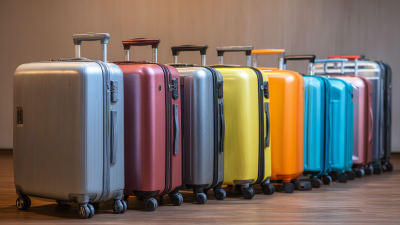
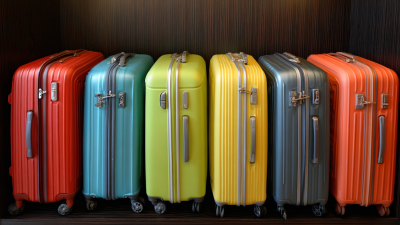
In today's super busy travel world, choosing the right cabin-sized bag is more important than ever. It’s all about making things easier for yourself and staying within airline rules. Did you hear? Recent reports from the Global Business Travel Association (GBTA) say that more than 40% of frequent flyers have run into trouble with their bag sizes — stuff like delays or extra fees. With airlines getting stricter about what counts as a carry-on, figuring out the perfect size for your trip is pretty much essential these days.
Jonathan Reed, a travel expert and luggage pro, puts it simply: "Having the right size cabin bag can save you a lot of stress and actually make your whole travel experience better." And he’s not kidding — a study from the International Air Transport Association (IATA) shows that travelers with properly sized cabin bags are about 30% more likely to board smoothly without hiccups. So yeah, knowing how to pick a bag that fits airline rules but also matches your style and needs is key if you want to make your travels a whole lot easier and more enjoyable.

Understanding Cabin Size Bag Regulations and Guidelines
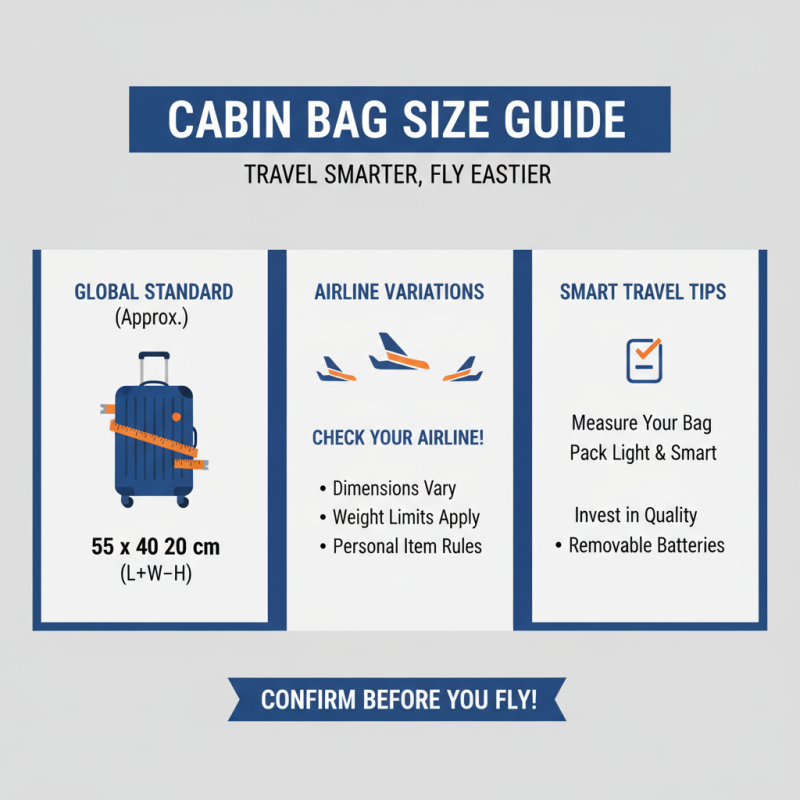
When selecting a cabin size bag for your travels, it's crucial to understand the various regulations and guidelines set by airlines. Each airline has its own specific dimensions for carry-on luggage, so it's essential to check these requirements before making a purchase. Typically, cabin size bags should not exceed dimensions of around 55 x 40 x 20 cm, but it's wise to confirm with your airline as some may have stricter rules.
Tips for choosing the right bag include considering its weight, as lighter bags give you more room for packing while staying within the luggage weight limit. Additionally, opt for a bag with multiple compartments to help keep your belongings organized. Look for features like padded straps or handles that make carrying your bag more comfortable, especially if you need to navigate through busy airports.
Another important point to note is that certain items may not be allowed in your cabin bag. It’s advisable to pack essential items, toiletries, and valuables in a way that complies with security regulations. Always carry important documents and personal items within reach, as this will make security checks smoother and more efficient. Understanding these guidelines will not only help you avoid unnecessary hassles but also enhance your travel experience.
Assessing Your Travel Frequency and Duration for Bag Selection
When selecting a cabin size bag, understanding your travel frequency and duration is paramount. According to the International Air Transport Association (IATA), over 4.5 billion passengers traveled by air in 2019, with a significant percentage opting for short-haul trips. For frequent travelers, a bag that accommodates quick weekend getaways is essential. Research shows that 60% of business travelers take trips lasting three nights or less. This statistic underscores the need for bags that are compact yet versatile, allowing easy packing and access to essentials even on brief trips.
For those embarking on longer journeys, a slightly larger cabin bag might be necessary. A study by Travel Leaders Group reveals that 45% of travelers prefer using one main carry-on bag for trips lasting one week or more. These bags often need to include pockets for organization and additional compartments for toiletries and electronics. The right size ensures that your belongings fit comfortably while meeting airline regulations, which typically allow a maximum dimension of 22 x 14 x 9 inches. Thus, assessing how often you travel and for what duration can significantly influence the decision on which cabin bag to choose, providing the perfect balance between convenience and capacity.
Evaluating Bag Features: Wheels, Straps, and Compartments
When selecting a cabin-sized bag for your travels, the features such as wheels, straps, and compartments play a crucial role in ensuring a seamless journey. Opting for a bag with high-quality wheels can significantly enhance mobility, especially in busy airports or train stations. Look for bags that have spinner wheels which rotate 360 degrees, allowing you to navigate through crowded spaces effortlessly. Additionally, consider a bag that has a reinforced handle for easy lifting and maneuvering.
Straps are another essential feature to evaluate. A well-padded shoulder strap can provide comfort during longer durations of carrying, while adjustable straps allow the bag to be tailored to your body size for a better fit. Furthermore, the presence of backpack straps can transform a cabin bag into a hands-free option, which is beneficial if you're managing multiple pieces of luggage or simply want to keep your hands free for other tasks.
Finally, the internal compartments of your bag are fundamental for organization. A bag with multiple pockets helps to separate your belongings, making it easier to access items like your passport, boarding pass, or electronic devices quickly. Look for bags with expandable compartments as well, which can offer additional storage when needed, ensuring you have the flexibility to pack efficiently according to your travel plans. Each of these features should align with your specific travel needs to ensure you can travel smoothly and comfortably.
Essential Tips for Choosing the Perfect Cabin Size Bag for Your Travel Needs - Evaluating Bag Features: Wheels, Straps, and Compartments
| Feature |
Importance |
Recommendations |
| Wheels |
Ease of Mobility |
Look for 360-degree spinner wheels for better maneuverability. |
| Straps |
Comfort in Carrying |
Choose padded, adjustable shoulder straps for better comfort. |
| Compartments |
Organization |
Select bags with multiple compartments for easy access to items. |
| Material |
Durability |
Opt for high-quality nylon or polyester for strength and water resistance. |
| Size |
Compliance with Airline Regulations |
Check the airline's cabin bag size restrictions before purchasing. |
Material and Durability Considerations for Cabin Bags
When choosing the perfect cabin size bag, material and durability are crucial factors to consider. The bag's material not only affects its weight and ease of handling but also its resistance to wear and tear during travel. Look for fabrics like nylon or polyester, which are lightweight yet robust. They can offer water resistance, protecting your belongings from unexpected spills or rain. Leather, while stylish, can be heavier and may not have the same level of resilience as synthetic options, making it essential to weigh your priorities when choosing the material.
Tips for selecting the right cabin bag include checking the bag’s zipper quality and stitching. A durable zipper prevents breakage, ensuring the safety of your belongings. Additionally, reinforced stitching adds to the bag's overall lifespan, making it a worthy investment for frequent travelers. Consider the overall structure of the bag: a well-supported frame will maintain its shape, allowing for easier packing and unpacking while ensuring that contents are secured in transit.
Furthermore, think about additional features such as padded handles and adjustable straps, which can enhance your travel comfort. Ideally, the bag should not only fit the airline's cabin size restrictions but should also cater to your personal travel style and needs. Remember to choose a bag that aligns with your travel habits, ensuring that durability and material quality align with the adventures that lie ahead.
Choosing the Right Cabin Bag Style for Your Travel Preferences
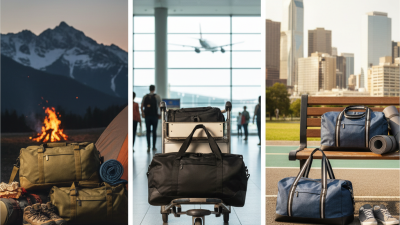
When selecting a cabin bag, it's essential to consider the style that best aligns with your travel preferences. Whether you're a business traveler needing a sleek and professional appearance or an adventurous explorer looking for something a bit more rugged and versatile, your bag should reflect your personal travel style. A backpack may offer the flexibility you need for navigating busy airports, while a wheeled suitcase provides ease of movement for longer trips.
Tip: Think about the compartments and organization. A cabin bag with multiple pockets and sections can simplify packing and make it easier to retrieve essentials on the go. Look for bags with designated laptop compartments if you frequently travel for work, or choose styles with side pockets for quick access to water bottles and snacks during your journey.
Another key consideration is the material and durability of the bag. If your travels often take you to unpredictable climates or rugged terrains, opt for a water-resistant fabric that can withstand wear and tear. Conversely, if you're flying frequently and require something lightweight, prioritize bags that are designed for easy carrying and minimal bulk.
Tip: Consider the bag's weight and size. A lightweight cabin bag will help you avoid exceeding airline weight limits while still providing adequate space for your essentials. Always check airline specifications for cabin baggage dimensions, as these can vary significantly between carriers. Following these tips will help you choose a cabin bag that meets your travel needs while matching your personal style.
Space Management: Packing Techniques for Efficient Use
When it comes to maximizing the space in your travel bag, effective packing techniques are essential. According to a study conducted by the Travel Goods Association, approximately 30% of travelers struggle with packing efficiently, leading to discomfort and the need for additional luggage. One of the most effective methods is the use of packing cubes, which allow for organized compartmentalization, making it easier to locate items without unpacking your entire bag. This technique also optimizes space by reducing wasted air pockets between clothing and accessories.
Another key strategy is the rolling method, which has been shown to save up to 20% more space compared to traditional folding. A survey from Statista indicates that over 65% of frequent travelers prefer rolling their clothes, as it reduces wrinkles and maximizes available volume. Additionally, combining similar items into one bundle, such as rolling outfits together, can streamline your packing process and facilitate quicker access during your trip. By mastering these space management techniques, travelers can not only fit everything they need into a cabin-sized bag but also enhance their overall travel experience.
Budgeting for Your Cabin Bag: Cost vs. Quality Analysis
When budgeting for your cabin bag, it's vital to strike a balance between cost and quality. The market offers a wide range of options, from budget-friendly bags to high-end models. While it might be tempting to opt for the least expensive option, investing a little more can often pay off in durability and functionality. A bag made from quality materials usually withstands the wear and tear of travel better than cheaper alternatives, reducing the likelihood of needing a replacement soon after purchase.
Additionally, consider the features that matter most to your travel needs. Features such as lightweight construction, organized compartments, and weather-resistant materials can enhance your travel experience significantly. While these might come at a higher price point, they can save you from potential headaches with lost items or damaged luggage. Ultimately, a thoughtful investment in a cabin bag that combines both quality and functionality will make your travels more enjoyable and your budget more effective in the long run.
FAQS
: Cabin size bags typically should not exceed dimensions of around 55 x 40 x 20 cm, but it's crucial to check with your specific airline as some may have stricter rules.
Consider bags with multiple compartments for organization, lightweight materials for ease of handling, and padded straps or handles for comfort during travel.
Pack essential items, toiletries, and valuables in accordance with security regulations, and keep important documents and personal items within easy reach for smoother security checks.
Fabrics like nylon or polyester are recommended for their lightweight nature and durability. They often provide water resistance, which is useful for protecting your belongings from spills or rain.
Durable zippers prevent breakage and keep your belongings secure, while reinforced stitching extends the bag's lifespan, making it a better investment for regular travelers.
Choose a bag that aligns with your travel preferences; for example, backpacks offer flexibility for navigating busy airports, while wheeled suitcases ease movement for longer trips.
A lightweight cabin bag helps avoid exceeding airline weight limits while still providing enough space for your essentials, making it easier to travel.
Look for bags with multiple pockets and sections, such as designated compartments for laptops or side pockets for quick access to items like snacks and water bottles.
Yes, if you travel in unpredictable climates or rugged terrains, choose a cabin bag with water-resistant materials to withstand wear and tear.
Always review your airline's specifications for cabin baggage dimensions, as these can vary significantly, ensuring compliance before you pack.
Conclusion
When selecting the perfect Cabin Size Bag for your travel needs, it's essential to understand the regulations and guidelines associated with cabin luggage, as these can vary by airline. Assessing your travel frequency and duration will help you determine the size and features that best fit your journeys. Consider aspects like wheels, straps, and compartments for enhanced portability and organization, while also reflecting on the material and durability to ensure your bag can withstand frequent use.
Furthermore, choosing the right cabin bag style that aligns with your personal preferences can make a significant difference in your travel experience. Efficient packing techniques are crucial for space management, allowing you to maximize the capacity of your bag. Finally, budgeting appropriately will help you balance cost and quality, ensuring that you invest in a Cabin Size Bag that meets both your practical needs and your financial considerations.