Picking the right Hard Case isn’t always a walk in the park. With so many options out there, it’s super easy to feel a bit overwhelmed. Fred Thompson, who’s pretty much an expert in protective gear over at ProGear Inc., puts it like this: “The right Hard Case is key to keeping your gear safe.”
When you’re choosing a Hard Case, think about what you actually need it for. Different materials are good for different situations. For example, if you’re headed outdoors, a waterproof case could be a lifesaver. But don’t forget about the size and weight—some cases can be pretty bulky, and that can get annoying when you’re traveling.
Also, ask yourself: what are you protecting? Is it delicate electronics, or tough tools that resist a bit of rough handling? Each kind needs different features. And hey, keep an eye on the budget, too. Some really fancy Hard Cases might seem tempting but might not be worth the extra bucks if they don’t offer the best bang for your buck. Just taking a moment to think about your needs and priorities will help you pick a case that fits your lifestyle and keeps your gear safe without breaking the bank.
Understanding the Types of Hard Cases Available in the Market
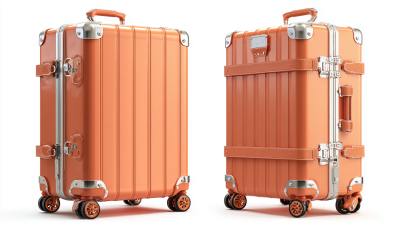
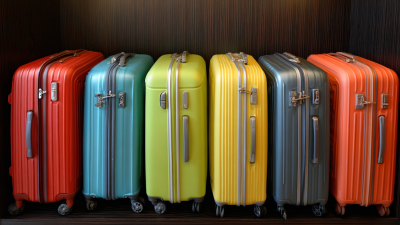
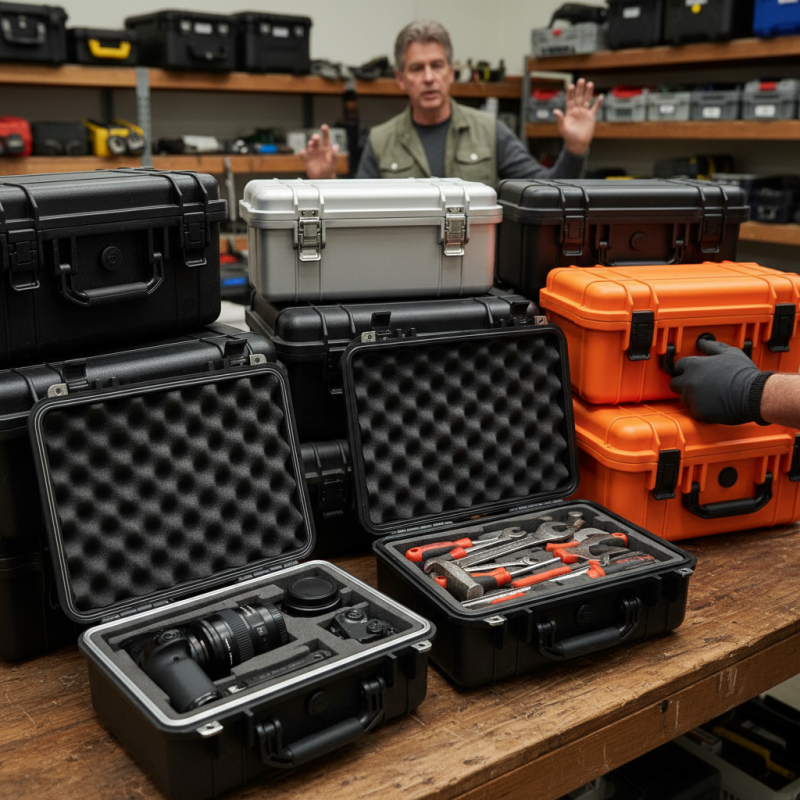
When choosing a hard case, understanding the available types is crucial. Hard Case Luggage comes in various styles and designs. Each type serves different purposes. For travelers, a suitcase with a hard shell offers better protection for belongings. It can withstand rough handling at airports. Some are lightweight, making them easy to carry.
For those who require organization, hard cases with compartments are ideal. They keep items in place and separate. Some hard cases even have built-in locks for added security. However, not all hard cases are equally durable. Some may crack under pressure. Potential buyers should check material quality before purchasing.
Consider also the size of the hard case. A larger case may fit more but can be cumbersome. Conversely, a smaller case may limit packing options. Reflect on your travel habits. Will you need extra space occasionally? Addressing these questions narrows your choices. The right hard case should blend functionality and personal preference.
Hard Case Types and Their Popularity
Evaluating Your Specific Needs: Size, Weight, and Usage Scenario
When choosing a hard case, evaluating your specific needs is essential. Start with size. A compact case might be ideal for short trips. However, if you're traveling longer, larger dimensions will accommodate more items. Think about what you need to pack. Larger cases often have compartments, but they might add weight. A balance is vital.
Next, consider weight. A lightweight case can ease your travel experience, especially in airports. Still, you must ensure durability. A flimsy case might crack under pressure. Sometimes, it’s hard to find both lightness and strength. Pay attention to materials and design. Look for reinforced corners and sturdy handles.
Your usage scenario matters too. A Carry On Hard Case may work well for business trips but could be less practical for outdoor adventures. Consider your routine. Do you often throw your bag around? Or do you handle it with care? Each scenario reveals different needs. Reflecting on how you travel will guide you to the right case.
Material Matters: Choosing Between Polycarbonate, Aluminum, and Other Options
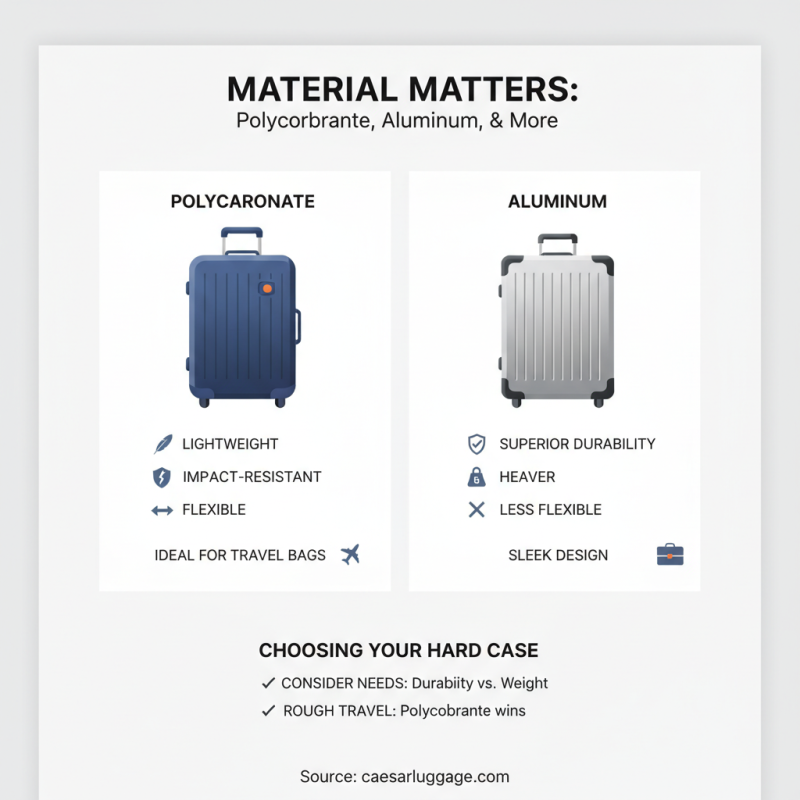
When selecting the best hard case for your needs, material choice is crucial. Polycarbonate and aluminum are popular options. Polycarbonate is lightweight and resistant to impacts. It can handle rough travel conditions well. This makes it suitable for a Hard Case Travel Bag. Aluminum, on the other hand, offers a sleek design and superior durability. However, it may be heavier and less flexible than polycarbonate.
Tips: Consider where you will use the bag most. If you travel often, a polycarbonate case might suit you better. If you need something more robust for frequent travel, aluminum could be the right pick. Think about how much weight you can carry too.
Another option is a composite material. It combines benefits of different materials. These cases can be stylish and functional. Just ensure they provide adequate protection for your belongings. Always consider your specific needs. Reflect on what you're packing. Some cases may not offer the space you need. It's essential to evaluate your lifestyle and usage patterns before making a choice.
Analyzing Protection Levels: Impact Resistance and Waterproof Features
When selecting a hard case, understanding protection levels is crucial. Impact resistance is a key feature. A study by the International Research Institute indicates that cases with solid polycarbonate materials can withstand drops from up to 6 feet without significant damage. This level of security is essential for delicate equipment. However, both the material and design influence this resistance. Some cases may look sturdy but fail in real-world tests.
Waterproof features are another consideration. The Ingress Protection (IP) rating system grades water resistance. An IP67 rating means the case can endure submersion in water up to 1 meter for 30 minutes. While this sounds promising, not all manufacturers disclose their testing conditions. Many cases may claim waterproofing but lack verified data. This inconsistency could lead to disappointing outcomes.
You might encounter cases that perform well in one area but poorly in another. A heavy-duty case may be impact-resistant yet cumbersome. Conversely, lightweight models might skimp on protection. Evaluate your specific needs critically. Prioritize what aspects matter most for your items. The right case balances weight, protection, and usability, ensuring comprehensive safety. Consider user reviews and independent testing data before finalizing your choice.
Assessing Brand Reputation: Industry Leaders and User Reviews
When choosing a hard case, brand reputation matters. Industry leaders often have a strong track record. They consistently receive positive feedback and reviews from users. This indicates reliability and durability, which is crucial for protecting your items. Take time to read user testimonials online. Many users share real experiences that can help you make a better choice.
However, not all popular brands are perfect. Some may have occasional quality issues. It's essential to dig deeper into specific product reviews. Sometimes, what works for one user may not for another. Pay attention to both the positive and negative reviews. They reveal the full picture of a brand's performance.
Ultimately, your needs should drive your decision. A hard case needs to fit not just your items but your lifestyle too. Finding the balance between reputation and specific requirements may take time. Don't rush the process; it can lead to regrets down the line. Explore various options, gather insights, and reflect on what truly matters to you.
How to Choose the Best Hard Case for Your Needs?
| Category |
Key Features |
User Rating (out of 5) |
Brand Reputation |
Price Range (USD) |
| Travel Cases |
Waterproof, Shockproof, Lightweight |
4.7 |
Excellent |
$100 - $300 |
| Tool Cases |
Durable, Customizable, Heavy Duty |
4.5 |
Very Good |
$50 - $150 |
| Camera Cases |
Padded, Shock-Resistant, Weatherproof |
4.8 |
Outstanding |
$75 - $250 |
| Musical Instrument Cases |
Lightweight, Protective, Stylish |
4.6 |
Good |
$100 - $400 |
Price vs. Quality: Finding the Balance in Your Hard Case Investment
Choosing the right hard case often involves a balance between price and quality. Many options are available at various price points. However, cheaper cases may lack durability and essential features. Sometimes, spending less means having to replace the case sooner.
Quality cases are made from sturdy materials. They offer better protection against impacts. While they may be more expensive initially, they can save you money in the long run. If you are transporting fragile equipment, investing in a high-quality case is wise. You might think about your needs, whether for travel or storage.
Reflect on how often you'll use the case. Will it endure frequent travel? Or will it mostly sit on a shelf? Asking these questions can help you decide. Remember, a cheap case may seem appealing, but consider what you might lose. Ultimately, the best hard case balances your budget with the level of protection you require.
Special Features to Consider: Customization, Lining, and Locking Mechanisms
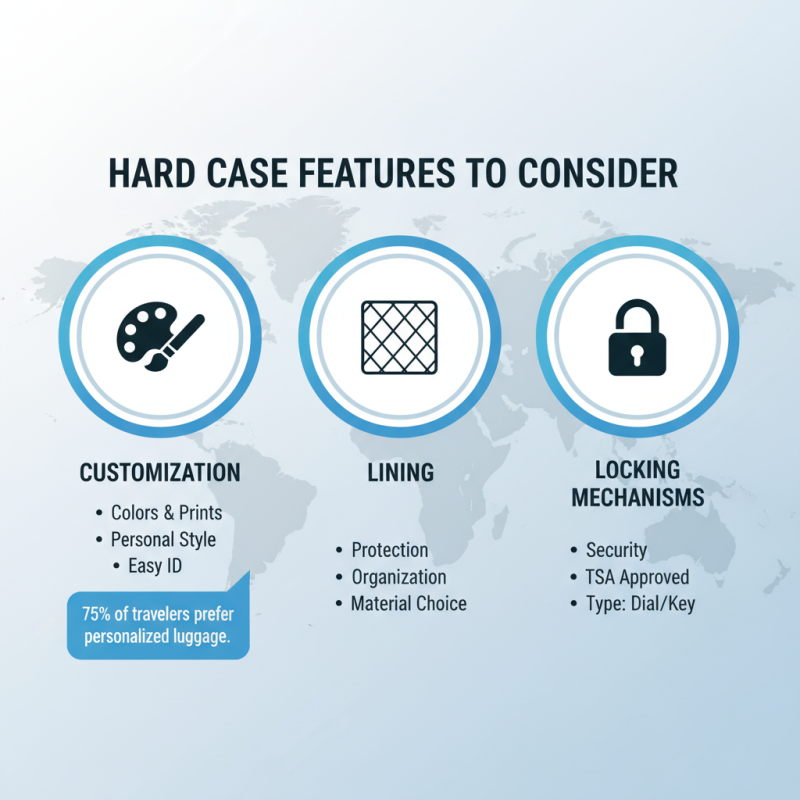
When choosing a hard case, customization is key. Your hard case should reflect your style. Some options allow you to choose colors and prints. This personal touch makes it stand out. A report from the Travel Association states that 75% of travelers prefer personalized luggage. It not only looks good but also helps in identification at the baggage claim.
Lining is another crucial factor. Soft padded linings can protect fragile items. Some cases offer moisture-resistant linings, which can be helpful in varying climates. According to a study, 60% of damaged items happen due to lack of proper lining. This highlights the importance of selecting cases that ensure adequate protection. The lining can make a significant difference in preventing damage.
Locking mechanisms are vital for security. A robust lock can deter theft. Many hard cases now include TSA-approved locks, which are essential for travel. Remember, security features may add weight to your Hard Case Cabin Luggage. However, they provide peace of mind. A balance between weight and security is important. Always consider how secure your items will be inside the case.
Exploring Trends and Innovations in Luggage Design: The Rise of Fashionable Zipper Closure Trolley Cases According to Recent Industry Reports
In recent years, the luggage industry has seen a remarkable shift towards fashionable and functional designs, particularly with the rise of zipper closure trolley cases. The merging of style and practicality has made these suitcases a staple for modern travelers who seek both aesthetics and efficiency during their journeys. The design innovation emphasizes not only the outer appearance but also internal organization to accommodate the diverse needs of today's globetrotters.
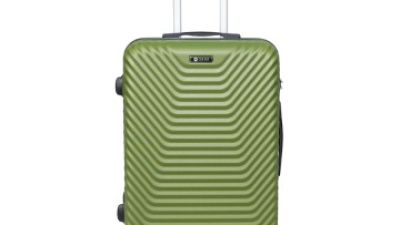
A perfect example of this trend is the innovative lightweight ABS hardside suitcase, crafted for seamless movement across airports, stations, and city streets. This suitcase features four double wheels, offering enhanced maneuverability, while its organized storage boasts wet/dry compartments and X-securing straps. The expandable capacity allows travelers to pack more without compromising on style, and the TSA lock paired with an adjustable telescopic handle ensures security and comfort throughout their travels. This luggage reflects the growing demand for items that are not only chic but also equipped with the latest travel technologies, making it an essential accessory for the discerning traveler.
FAQS
: Consider size, weight, material, and how you travel. Reflect on your personal needs.
A larger case fits more items but can be heavy. A compact case is better for short trips.
Common options are polycarbonate and aluminum. Each has its benefits and drawbacks to consider.
Yes, a lightweight case can make travel easier. However, ensure it remains durable.
No, not all are equally strong. Check the material quality to avoid cracking under pressure.
Reflect on your travel habits. Think about care versus rough handling of your bag.
Yes, they help keep items organized. But they might add to the case's weight.
Balancing both is vital. A flimsy case might fail, while a heavy one can be cumbersome.
They combine benefits from different materials. Ensure they protect your belongings adequately.
Conclusion
When selecting the best hard case for your needs, it's crucial to understand the various types available in the market and evaluate your specific requirements regarding size, weight, and intended usage. Different materials, such as polycarbonate and aluminum, offer distinct advantages in durability, while protection levels—like impact resistance and waterproof features—are vital for ensuring the safety of your belongings.
Additionally, assessing the reputation of brands through user reviews can provide insight into quality. Balancing price and durability is essential for a sound investment in a hard case. Don't overlook the importance of special features like customization options, interior lining, and security locking mechanisms, as these aspects can enhance your overall user experience and satisfaction with the product.