Leave Your Message
-
Phone
-
E-mail
-
Whatsapp
-
WeChat

-
Whatsapp

When you're a global buyer trying to pick a Soft Case manufacturer, it’s often more than just flipping through catalog photos. You really need to dig into the details—things like how consistent the materials are, how strong the seams hold up, how well the zippers perform, and whether they can stick to reliable production schedules. After all, these products are going to be traveling through warehouses and retail channels packed with busy people. Seeing a neat sample is helpful, sure, but it’s not a guarantee that the quality is going to last long-term.
Did you know that Grand View Research estimated the global luggage market was worth around USD 35.4 billion in 2023? They also predict it will grow at about 6.5% annually from 2024 to 2030. Keep in mind, this number covers all kinds of luggage, not just soft cases. So it’s more of a general market context rather than a specific forecast for each supplier. Still, it shows just how competitive things are out there, which means buyers need to be really clear about what they want and do their homework. Ask suppliers how they test their fabrics, inspect the stitches, and whether their production samples actually match the bulk order. Pay attention to the small stuff, too—a handle that twists when you put weight on it could turn into a costly headache.
This guide highlights 10 Soft Case manufacturers around the world, focusing on what they offer in terms of product range, customization options, manufacturing capability, and how easy they are to communicate with. But honestly, just looking at publicly available info isn’t enough. You really need to do an audit or test a sample yourself. Sometimes a supplier might seem great online but still needs a closer look before you place a big order. Think of this list as a good starting point—after that, verify their claims directly and compare the details that matter most for your intended use.
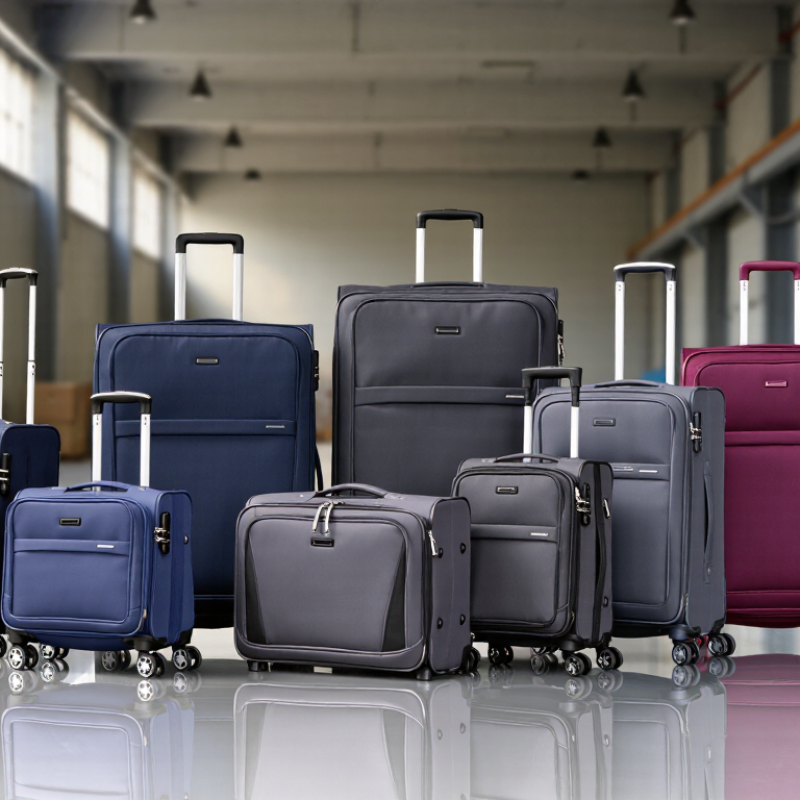
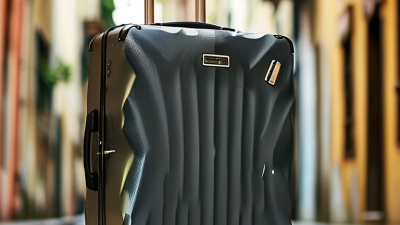
Soft cases are flexible protective products made from fabric, foam, or layered materials. They include instrument covers, equipment bags, travel covers, and Soft Case Luggage. Unlike rigid shells, they can compress slightly and often weigh less. Padding, seams, handles, and zippers determine how well they protect contents during daily handling. Materials matter. A thin outer fabric may resist scuffs, while dense foam helps cushion impact; neither feature alone guarantees durability.
The global market connects material suppliers, cut-and-sew factories, importers, distributors, and retailers. Manufacturers may specialize in one product type or build custom designs for wholesale buyers. Production costs, order volumes, lead times, and quality checks vary by supplier and region. Buyers usually compare samples, stitching consistency, hardware, and packaging before placing larger orders. Categories can blur: a travel cover may serve both retail and commercial users, so product labels do not tell the whole story.
Tips: Share measurements, intended use, and target order volume when requesting quotes. Ask how samples are inspected and whether materials can be traced to documented specifications. Test loaded bags for seam strain and handle comfort. Small details matter. A sample can still differ from bulk production, so confirm tolerances and inspection steps in writing.
| No. | Manufacturer Profile | Typical Soft-Case Products | Common Materials and Processes | Best Fit for Buyers | Key Sourcing Checks |
|---|---|---|---|---|---|
| What Soft Cases Are | |||||
| Soft cases are protective or carrying cases made mainly from flexible materials rather than a rigid outer shell. Common constructions use woven or knitted textiles, coated fabrics, foam padding, linings, and sewn or bonded components. Depending on the design, they can be lightweight and flexible, padded for impact protection, or shaped with semi-rigid panels and frames. | |||||
| No. | Manufacturer Profile | Typical Soft-Case Products | Common Materials and Processes | Best Fit for Buyers | Key Sourcing Checks |
| 1 | Soft luggage and travel-bag specialist | Wheeled luggage, duffel bags, garment bags, travel organizers | Woven polyester or nylon, linings, foam panels, stitching, zippers, wheel and handle assembly | Travel-goods programs requiring a broad range of sizes and configurations | Check seam strength, zipper performance, handle attachment, wheel durability, and packing efficiency. |
| 2 | Protective equipment-case maker | Instrument bags, tool cases, camera bags, equipment covers | High-density fabrics, foam inserts, dividers, reinforced seams, molded or sewn pockets | Products that need organized storage and impact protection without a fully rigid shell | Confirm insert fit, padding thickness, abrasion resistance, and protection requirements for the intended use. |
| 3 | EVA and semi-rigid case specialist | Cases for electronics, accessories, personal-care products, and portable devices | Compression-molded EVA, fabric laminates, molded trays, zippers, heat-bonded or sewn finishes | Compact products needing a shaped profile and more structure than a simple fabric pouch | Review dimensional tolerances, surface finish, closure alignment, and compatibility with the packed product. |
| 4 | Textile pouch and organizer manufacturer | Cosmetic bags, cable organizers, document pouches, packing cubes | Polyester, nylon, cotton blends, mesh, linings, zipper construction, screen or heat-transfer decoration | High-volume, lightweight products with multiple pockets, colors, or sizes | Check pocket dimensions, lining quality, color consistency, and zipper operation across production lots. |
| 5 | Outdoor and sports-bag manufacturer | Backpacks, sports duffels, hydration-compatible bags, protective gear bags | Technical woven fabrics, webbing, mesh, padding, reinforced stitching, water-resistant coatings | Outdoor, fitness, and sports applications exposed to frequent handling or weather | Specify fabric performance, load-bearing points, coating expectations, and care instructions. |
| 6 | Medical and healthcare soft-case supplier | Medical kits, diagnostic-device bags, clinical organizers, carrying cases | Coated textiles, wipe-clean linings, foam compartments, transparent pockets, sewn construction | Portable healthcare equipment and organized medical-supply storage | Define cleaning method, chemical exposure, labeling needs, and any applicable product or market requirements. |
| 7 | Automotive and mobility textile-case maker | Vehicle organizers, seat-back storage, tool rolls, mobility-device covers | Automotive textiles, durable bindings, webbing, foam, hook-and-loop fasteners, reinforced seams | Vehicle accessories and covers designed for repeated installation and removal | Validate fit, fastening method, abrasion resistance, and suitability for the intended cabin or storage environment. |
| 8 | Custom OEM/ODM soft-case factory | Private-label cases developed to buyer drawings, samples, or product requirements | May combine cut-and-sew construction, foam fabrication, molded components, printing, and custom trims | Buyers seeking product development, custom dimensions, or coordinated product families | Clarify tooling ownership, sample approval stages, change control, minimum order quantities, and inspection criteria. |
| 9 | Sustainable-material case producer | Reusable pouches, travel accessories, everyday carry cases, promotional bags | Recycled-content fabrics, organic-fiber options, reduced-material constructions, water-based finishes where specified | Programs with documented material goals or consumer-facing sustainability claims | Request evidence for material composition and certifications; verify that claims match the finished product and destination-market rules. |
| 10 | Small-batch and sampling-focused workshop | Prototype runs, specialist covers, limited collections, replacement cases | Flexible cut-and-sew production, manual pattern work, small-run finishing, sample iteration | Product launches, niche applications, and lower-volume purchasing programs | Confirm capacity, repeatability, lead times, material availability, and how approved samples will be used as production standards. |
| How the Global Soft-Case Market Is Structured | |||||
| Market Dimension | Typical Structure | Implications for Global Buyers | |||
| Product segments | Travel and luggage; consumer accessories; electronics and equipment protection; outdoor and sports; medical and industrial applications. | Choose suppliers based on relevant construction experience and application testing, rather than appearance or product category alone. | |||
| Supply-chain roles | Material mills and converters supply fabrics, coatings, foam, linings, and trims. Case manufacturers cut, sew, mold, assemble, and finish products; trading or sourcing firms may coordinate orders and logistics. | Confirm which processes are performed in-house and which are subcontracted, especially for molded components, printing, and specialized finishing. | |||
| Production model | Common models include buyer-specified OEM production, supplier-supported ODM development, and stock or catalog products. | Document specifications, approved samples, packaging, inspection standards, and responsibility for design changes before placing production orders. | |||
| Commercial factors | Pricing depends on materials, dimensions, construction complexity, order quantity, customization, packing, and delivery terms. | Compare quotations on the same specification and delivery basis. A low unit price may not include development, testing, packaging, or freight costs. | |||
| Quality and compliance | Requirements vary by product, material, destination market, and intended use. Buyers may specify restricted-substance controls, labeling, traceability, and performance tests. | State applicable requirements in the purchase specification and verify them with suitable documentation or testing for the actual product and market. | |||
| Supplier evaluation | Typical checks include relevant product experience, production controls, sample quality, capacity, communication, and supply-chain transparency. | Use a written evaluation process and assess a production-representative sample before approving a supplier for ongoing orders. | |||
| Note: The manufacturer profiles above describe common soft-case capabilities and are not a company ranking. Product specifications, testing needs, lead times, and order quantities should be confirmed directly with prospective suppliers. | |||||
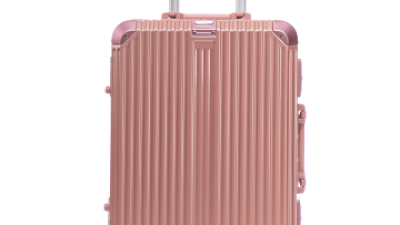
When choosing a PC aluminium frame trolley case, consider how its materials balance weight, protection, and everyday convenience. A shell made from high-quality polycarbonate is flexible and impact-resistant, helping it absorb the knocks of transit while retaining a polished appearance. The aluminium frame adds structure and stability, while a secure closure helps keep belongings protected. These features make this style worth considering for frequent business travel as well as holidays.
A practical buying decision should also reflect how and where you travel. Check the case dimensions against your usual packing needs and airline requirements, and assess details such as the handle, wheels, interior layout, and ease of opening. Market reports on the luggage sector can help buyers understand broader product considerations, but the best choice depends on personal priorities: durability, manageable weight, reliable organization, and a design suited to repeated use. A thoughtfully designed PC case with an aluminium frame brings these qualities together in a smart, versatile travel companion.
Compare polyester and nylon by fabric weight, abrasion resistance, feel, and cost. Request swatches. Photos hide scuffs and rain performance.
Pack it and roll it across a hard floor. Check zipper movement, handle stability, lining seams, wheels, and reinforced corners. Small details matter.
Options may include dimensions, colors, lining, pockets, zipper pulls, logo placement, and packaging. Confirm how each change affects price and lead time.
Ask for production capacity by line, current utilization, and recent schedules. Several colors or extra pockets may slow output. Not always obvious.
No. Certification shows that a documented management system exists, but it does not guarantee every case passes inspection. Set measurable checks for seams, dimensions, color, and zippers.
Request fabric composition details, supplier records, and test reports matching the actual material and production site. Keep an approved sample from each order. I still find this easy to miss.
Request dated production and shipping records, then compare actual timelines with quoted ones. Broad shipping statistics cannot guarantee a factory’s lead time.
It can expose uneven stitching, weak handle reinforcement, inconsistent components, or missed delivery dates. Verify who makes each part. A tidy factory tour proves little.
This guide introduces the Soft Case market and explains how buyers can assess manufacturers for international sourcing. It outlines the main factors to consider when comparing suppliers, including product expertise, communication, customization capabilities, production resources, and the ability to meet agreed specifications. The profiles of ten manufacturers offer a structured way to understand different supplier strengths without assuming that one option suits every buyer.
The article also reviews common materials, product ranges, and customization choices, alongside production capacity, quality-control practices, and relevant compliance requirements. Buyers can use these points to compare manufacturers systematically, ask more focused questions, and evaluate whether a supplier can support their target products, order volumes, timelines, and quality expectations. The aim is to help businesses make an informed supplier decision based on their own needs and purchasing priorities.