Leave Your Message
0%

Choosing the best luggage set for 2026 isn’t just about matching colors, honestly. You need something that glides over rough sidewalks, doesn’t fall apart at the corners after one trip, and actually fits the way you pack and travel. Grand View Research put the global luggage market at around US$36.4 billion in 2023, and they’re expecting it to keep climbing through 2030. That number actually covers the whole luggage market, not just luggage sets on their own, so it’s useful context—but it doesn’t prove any particular set is the best.

You know how travel expert Rick Steves always says to pack light? That’s basically the whole advice—short and sweet. It’s worth keeping in mind when you’re comparing luggage sets, because sure, more pieces give you more space, but you also have to lug them around and find a place to store them. In this guide, I’ll dig into shell materials, wheel design, handles, interior organization, warranties, and what you get for your money across different budgets. I’ll also touch on carry-on dimensions and checked-bag capacity, since sometimes that big, roomy suitcase just isn’t all that practical. You know, it's funny how the little things can really get to you. Like, a wobbly telescoping handle on your luggage? You don't notice it at first, but by the time you're hauling it through a long terminal walk, it's all you can think about.

Let’s be honest: no single luggage set is perfect for every trip. Sure, a three-piece bundle might be great for family vacations, but if you’re constantly on a plane, you’ll probably want one really solid carry-on. And don’t get me started on brand hype—just because something says “lightweight” doesn’t mean it won’t fall apart after a few trips. So in this guide, I’m looking at real trade-offs, not marketing promises. By the end, you’ll have a better idea of which set actually fits how you travel, what you pack, and what you’re willing to spend.

What Are the Best Luggage Sets for 2026?

What a Luggage Set Includes and Who It Suits

A luggage set usually pairs a cabin-size case with one or two larger suitcases. Some sets also include a small tote or packing pouches. The useful part is having sizes for different trip lengths, not simply matching shells. Check each case’s dimensions, empty weight, wheel design, handle stability, and interior straps. A large case can look practical in a product photo, then feel awkward on stairs.

An It Luggage Set may suit families sharing storage space or travelers who take both weekend breaks and longer holidays. One smaller case can hold a few outfits; a larger one can carry bulkier clothing. Frequent flyers should check cabin rules before choosing, since size limits vary by airline and route. Not every traveler needs three cases. In a small apartment, an unused large suitcase becomes another thing to store.

Look closely at the zippers and corners, where wear often becomes visible first. Smooth-rolling wheels help across station floors, but rough pavements can be less forgiving. Interior dividers keep shoes away from clean clothes. That detail matters. Still, a set is not automatically better value: compare the pieces you will actually use, and be honest about how often you travel. A slightly imperfect fit may be smarter than buying extra capacity you rarely need.

What a Luggage Set Includes—and Who It Suits

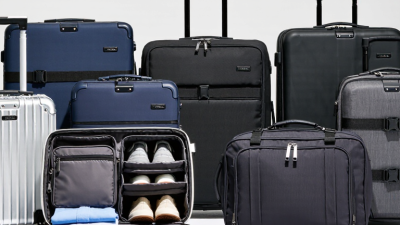
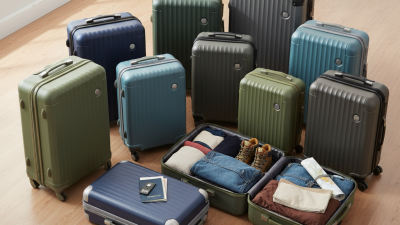
Compare example set configurations by the number of wheeled suitcases and smaller accessories.

How to choose: A compact two-suitcase set can suit solo travelers or couples. A three-suitcase set offers more size options for families or longer trips. Larger sets may add smaller accessories, useful for organizing—but exact contents vary by set. These are illustrative configurations, not a survey of products.

How Luggage Sets Are Designed for Different Types of Travel

A well-designed luggage set should match the way you travel, not just look coordinated in a hallway. For weekend trips, a compact carry-on and personal-item-sized bag keep essentials close and reduce time at the carousel. Check the carry-on dimensions against your usual airline, including wheels and handles. Measurements can be annoyingly easy to overlook.

Longer holidays often call for a medium or large checked case, plus a smaller bag for day-to-day use. Families may value nesting cases that store inside one another, while frequent hotel changes call for smooth-rolling wheels and handles that feel steady on uneven pavement. Hard shells can protect contents from knocks, but they may show scratches; fabric cases can offer exterior pockets, though those pockets add little protection. No material is perfect.

For road trips, a flexible soft-sided case may fit more easily into a crowded trunk. Business travelers often benefit from a separate garment section and a small case that opens quickly at security. When evaluating a Tag Luggage Set, compare each piece’s weight, usable space, zipper quality, and warranty terms rather than counting the cases alone. A set is only practical if its largest piece suits your actual trips. I’d still leave a little room for changing plans.

Which Materials and Features Matter Most

A strong luggage set starts with materials suited to how you travel. Polycarbonate shells flex slightly under impact, while polypropylene is often lighter and less rigid. ABS can cost less, but may be more vulnerable to cracks after rough handling. Fabric cases offer flexible pockets and easier access, though their abrasion resistance depends on the weave and finish. Feel matters.

Wheels and handles deserve a close check. Four spinner wheels glide well through smooth terminals, but two-wheel designs can handle uneven sidewalks more steadily. Pull the telescoping handle fully out; excessive wobble may become annoying when a case is packed. Look for smooth zippers, reinforced corners, and interior straps that hold clothing in place. Small details count. Expansion panels help on the return trip, but extra capacity can make a case too large for some airline limits.

A useful set should include sizes you will actually use, not simply more pieces for the price. Check each case’s empty weight, since a heavy shell leaves less room for belongings. Compare wheel movement on tile and carpet, and inspect the stitching around fabric handles. I would not choose by material alone; shell design and workmanship matter too. There is no perfect set, and even sturdy luggage can pick up scuffs. That is part of travel, not always a sign of poor quality.

How to Evaluate Luggage Sets for 2026

Choosing a luggage set for 2026 starts with how you travel, not how many pieces come in the box. Check each case’s dimensions, including wheels and handles, then compare them with typical airline limits. A large suitcase may look useful at home but become awkward on a crowded train. Small details matter. Look for clear capacity information rather than relying on photos.

Test the wheels on tile, carpet, and a slightly uneven sidewalk if possible. They should roll without pulling sharply to one side. Extend the handle and check for wobble; a little movement is normal, but excessive looseness can become irritating. Open and close every zipper. Inspect seams, corner guards, and interior straps, too. A sturdy shell is helpful, but weight matters: an empty case can use up more of your packing allowance than expected.

Think about whether you will actually use every piece. A compact carry-on and a medium checked case may be more practical than a set with several oversized bags. A Teal Luggage Set can be easier to spot at baggage claim, though color alone says nothing about construction. Compare warranty terms and replacement-part availability. I would also check how the cases nest together; some sets save little closet space. It is easy to overvalue polished features and miss a stiff handle or clumsy interior divider.

Best Luggage Sets for Different Travel Needs in 2026

The best luggage set for 2026 depends less on matching pieces and more on how you travel.

For weekend trips, a compact carry-on and personal bag can be easier to manage than a large set. Frequent flyers may prefer lightweight cases with smooth-rolling wheels and handles that feel steady when fully packed. Check each bag’s dimensions against your usual airline limits; requirements can vary. For longer trips, a medium suitcase often offers a useful balance between capacity and easier lifting.

Families may benefit from sets with several sizes, since small cases can suit children while larger ones hold shared items. For business travel, look for an organized interior with a padded space for a laptop, if you need one. Hard shells can help protect belongings from bumps, while soft-sided cases may offer flexible outer pockets. Neither option is perfect. Extra pockets can add bulk, and expandable sections may tempt you to pack more than you can comfortably carry.

Tips: Before buying, test the handles, zippers, and wheels in person if possible. Lift a packed case, not just an empty one. Check wheel stability on a rough floor. Measure your storage space at home, too. A set looks convenient online, but the largest piece may spend most of the year unused. That is an easy detail to overlook.

How to Match a Set to Your Budget and Travel Style

The best luggage set is the one that suits your usual trips, not an imagined month-long vacation. Start by counting how often you travel and what you carry. A carry-on and medium case may cover most short breaks. Families or long-stay travelers may get more use from a larger checked case. More pieces are not automatically better.

Set a budget before comparing features. Check wheel movement, handle stability, zipper quality, and the weight of each empty case. These details affect daily use more than a polished product description. If you travel only a few times a year, a sturdy mid-priced set may be more practical than paying extra for features you rarely need. Still, the cheapest option can feel costly if a handle loosens early.

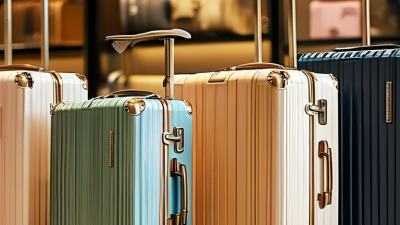
Match the material and color to your routine. Hard shells can help protect fragile belongings, while soft-sided cases may offer useful exterior pockets. A Beige Luggage Set looks understated and is easy to spot among darker bags, but marks may show on light fabric. I sometimes underestimate how dusty airport floors can get. Consider cleaning effort, storage space, and whether nesting cases will fit in your closet before choosing a set.

What Are the Best Luggage Sets for 2026? - How to Match a Set to Your Budget and Travel Style

These categories are general buying guides, not evaluations of specific products. Price ranges are approximate U.S. retail prices and can vary by size, construction, sales, and included pieces. Always check current airline size and weight limits before traveling.

Set Type Typical Set Price Common Pieces Typical Materials Best For Advantages Things to Consider
Entry-Level Hardside Set About $80–$180 Usually 2–3 suitcases, often in carry-on, medium, and large sizes Commonly ABS plastic; some sets use a blend of hard plastics Occasional travelers and shoppers who want several matching sizes at a lower upfront cost Often offers a coordinated set and basic protection for packed items at an accessible price ABS can be more prone to cracking than some higher-grade plastics under heavy impact. Check wheel construction, handle stability, and the warranty terms.
Mid-Range Hardside Set About $180–$450 Typically 2–3 suitcases, with some sets including a small personal-item bag Often polycarbonate or polypropylene; construction varies by model Regular vacationers who want a balance of price, weight, and impact resistance Many options include spinner wheels, telescoping handles, and expandable compartments Features and durability differ widely. Compare the empty weight of each case and confirm whether expansion affects usable airline dimensions.
Premium Hardside Set About $450–$1,000+ Usually 2–3 suitcases; some sets add a cabin-size case or packing accessories Often polycarbonate or other engineered plastics; details vary by construction Frequent travelers who value refined organization, handling, and long-term use May offer smoother-rolling wheels, more considered interiors, and stronger component construction A higher price does not guarantee better performance. Review repair options, warranty exclusions, replacement-part availability, and real-world case weights.
Softside Set About $120–$500 Commonly 2–3 suitcases, sometimes paired with a tote or garment bag Usually woven synthetic fabric, such as polyester or nylon Road trips, flexible packing, and travelers who prefer exterior pockets Fabric cases often provide accessible outside pockets and may flex to fit irregularly shaped items Fabric can absorb moisture and may be more vulnerable to abrasion or stains. Look for sturdy zippers and check whether the case has water-resistant features.
Lightweight Carry-On-Focused Set About $150–$500 Often one carry-on plus a personal-item bag, or a carry-on with a smaller companion case May use lightweight hard plastics or soft fabric Short trips, frequent flights, and travelers who want to avoid checking a bag when possible A smaller, lighter setup can be easier to maneuver and may reduce reliance on checked baggage Carry-on limits differ by airline and route. Check the packed case’s external dimensions, including wheels and handles, and verify cabin-bag rules before departure.
Family Multi-Piece Set About $200–$700 Often 3–5 pieces, such as several suitcases and one or more small bags Typically hard plastic, soft fabric, or a combination of both Families or groups who need different sizes for varied trip lengths Multiple sizes can help separate belongings and suit different travelers or trip durations More pieces can mean more storage space is needed at home. Consider whether every item is useful and compare the total set weight with buying only the sizes you need.

Travel in Style: Choosing a Durable, Lightweight Luggage Set for Every Journey

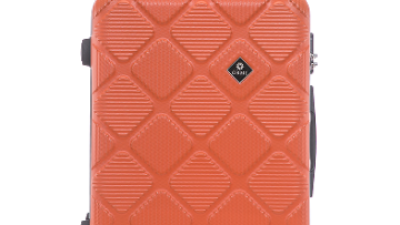
Traveling in style starts with luggage that is easy to handle and dependable on the move. SITA’s *Baggage IT Insights 2024* reported that 6.9 bags per 1,000 passengers were mishandled globally in 2023. That figure is a useful reminder to choose a case with a sturdy exterior and practical features—not just a polished look. A scratch-resistant ABS shell helps the budget-friendly trolley case stand up to the scuffs of frequent trips, while its compact design can make it easier to travel light and avoid packing more than you need. No case can prevent baggage delays or rough handling, but a durable shell can offer everyday protection for your belongings.

Comfort and organization matter just as much, especially when moving through terminals or navigating busy streets. The retractable handle and smooth-glide wheels make the case easier to maneuver, while its spacious, organized interior helps keep essentials in place and within reach. The U.S. Bureau of Transportation Statistics’ *Air Travel Consumer Report* recorded 0.58 mishandled bags per 100 enplaned passengers for U.S. airlines in 2023. For students and casual travelers, this practical ABS trolley case pairs useful storage with straightforward mobility—an affordable option for weekend getaways, campus trips, and other journeys where efficient packing matters.

FAQS

What does a typical luggage set include?

It usually pairs a cabin-size case with one or two larger suitcases. Some sets add a tote or packing pouches.

Who benefits most from a luggage set?

Families and travelers with trips of different lengths may use several sizes. If you travel rarely, extra cases may just take up closet space.

How can I check whether a suitcase fits cabin limits?

Measure it with the wheels and handles included. Airline limits vary by carrier and route, so check your usual airline’s rules.

What should I inspect before buying?

Open and close each zipper, extend the handles, and check the seams and corners. Look for wheels that roll steadily without pulling sideways.

Are hard-shell cases better than soft-sided ones?

Hard shells can help protect belongings from bumps. Soft-sided cases may have flexible outer pockets. Neither is perfect.

How do I choose a set for weekend trips?

A compact carry-on and a personal bag may be easier to manage than several large suitcases. That detail matters.

Is a larger suitcase always more useful?

Not always. A large case can be awkward on stairs or crowded trains, and it may sit unused for most of the year.

How can I tell whether a set offers good value?

Compare the pieces you will actually use, plus warranty terms and replacement-part availability. I still tend to overestimate how much space I need.

Conclusion

Choosing the right Luggage Set for 2026 starts with understanding what each collection includes and whether its sizes suit your usual trips. This guide explains how sets can serve weekend breaks, family holidays, and longer journeys, while showing why matching pieces may be convenient for travelers who want coordinated storage. It also considers how travel habits, packing needs, and available space can shape the best choice.

Learn which materials, wheels, handles, closures, and interior features are worth comparing, and how to assess durability, ease of use, and overall value. The guide explores options for different travel needs and budgets, helping you weigh practical features against cost rather than choosing by appearance alone. By matching a set’s size, construction, and organization to your travel style, you can make a more confident choice for 2026.
James

James

James is a seasoned marketing professional with a deep-rooted expertise in the luggage industry, backed by over a decade of experience at Ruian Caesar Trading Co., Ltd. Located in the vibrant Ruian City of Zhejiang Province, China, James plays a pivotal role in positioning the company as a leading......
Previous Why Are Trolley Bags Popular for Travel?