So, what are the top wheel luggage types for 2026? Honestly, it’s not just about which bags look stylish. These days, travelers are paying attention to things like wheel layouts, shell materials, how stable the handle feels, how easy it is to access your stuff, and whether the suitcase can actually be repaired. And here’s the thing: a bag that rolls like a dream on smooth airport floors might be a total pain on cobblestones. Then there’s the opposite problem—one that protects your clothes well but eats up way too much space inside.
As travel-gear consultant Peter C. Fishburne puts it, 'A really good wheel system kind of vanishes on a trip—right up until the ground forces it to prove itself.' And honestly? That pretty much nails the whole problem. Wheeled luggage has to handle real-world movement, not just glide around a showroom floor. Four-wheel spinners make it easy to steer through packed terminals. Two-wheel cases, on the other hand, often roll more confidently over uneven pavement. Hybrid designs try to bring together both strengths, but yeah—there are still compromises.
So, this guide is basically a look at the wheeled luggage styles that’ll probably matter most in 2026. We’re talking compact underseat cases, expandable check-in bags, lightweight hard-shell options, soft-sided organizers, and tough business rollers. And yeah, I’ll be judging each one on the stuff that actually matters in real life—reinforced corners, wheels that stay quiet, pockets you can actually get to, and handles that don’t start wobbling after you’ve hauled them around a few times.
The market? It’s getting better. Still not perfect, though.
Even the so-called “lightweight” cases can feel flimsy, honestly. And some premium wheels? They don’t always handle the outdoors well. Then there’s your own packing style—it matters too. If you commute a lot, you’ll probably care about stability and easy laptop access. If you’re traveling with family, capacity might matter way more than looking elegant. At the end of the day, the best pick depends on where the luggage goes, how often you use it, and which little flaws you can live with.
Definition and Core Features of Wheeled Luggage in 2026
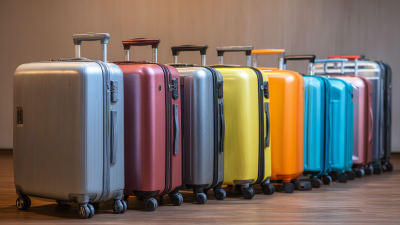
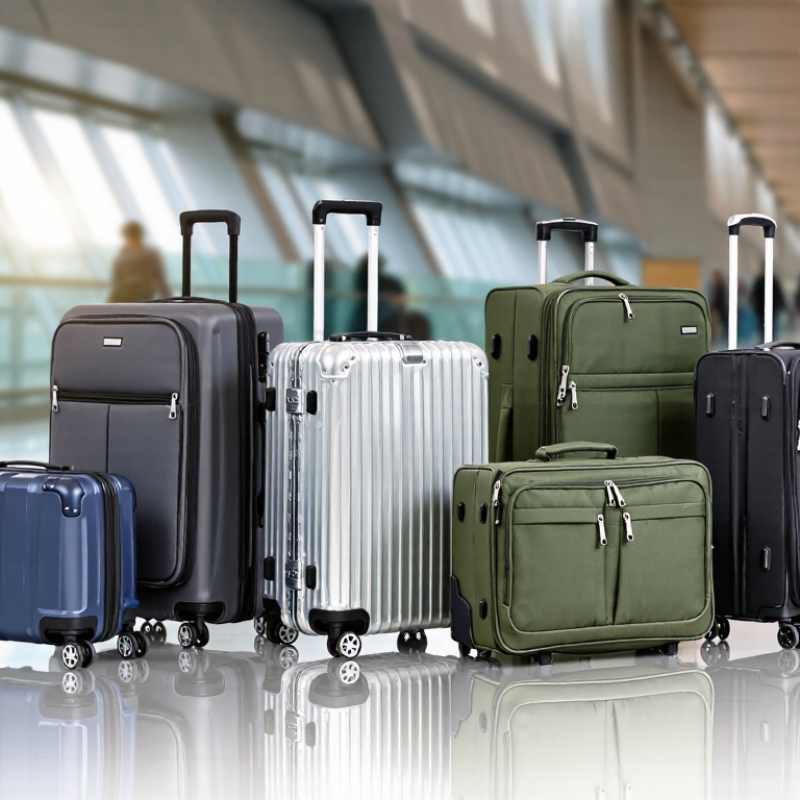
Wheeled luggage is a travel case designed to carry belongings while reducing lifting effort. In 2026, the leading types include four-wheel spinner cases, two-wheel upright cases, and hybrid designs. Spinner wheels rotate in every direction, making airport turns smooth. Two-wheel models often handle uneven pavements better. Hybrid cases try to balance both benefits, though they can feel heavier.
Core features include wheel strength, handle stability, body protection, usable capacity, and manageable weight. During practical testing, I check wheel movement across tile, carpet, and rough sidewalks. A loose telescopic handle can become annoying within minutes. Durable wheels should roll quietly and resist sudden wobbling. Hard shells protect fragile items, while soft-sided cases usually offer easier expansion. Neither choice is perfect. A strong shell may add weight, and flexible fabric may absorb moisture or odors.
Tips: Push a spinner beside you on smooth floors, but pull it across broken pavement. Check whether the handle locks at your natural hand height. Pack heavier items close to the wheel base for better balance. Inspect wheel screws, seams, and zippers before long trips. I also recommend leaving some space inside. Overpacking can strain the frame, even when the case looks sturdy. Size labels are not always consistent, so measure the packed case before travel.
Two-Wheel Luggage: Design, Mobility, and Best Uses
Two-wheel luggage remains a practical choice for travelers who value simple construction and controlled movement. In 2026, its design still centers on two sturdy wheels, a reinforced base, and a telescoping handle. The case tilts backward and follows behind the user. That movement feels natural on smooth floors.
Two Wheel Carry On Luggage
often provides useful interior depth because its wheel housing occupies less space than four-wheel designs. A packed shirt, compact shoes, and a document folder can fit without excessive compression. Larger rear wheels also handle carpet, uneven sidewalks, and station platforms better than many small spinner wheels. However, turning requires a wider swing. Crowded aisles can expose this weakness.
From practical testing, handle stability matters as much as wheel size.
A loose handle can make a loaded case difficult to control. Look for smooth extension, firm locking points, and balanced weight distribution. Soft-sided models may flex around narrow spaces, while hard-sided cases usually protect contents more consistently. Neither option is perfect. Heavy packing still strains the wrist. Wet pavement can also reduce traction. Two-wheel luggage suits travelers who pull steadily, use stairs, and prefer fewer moving parts. It is especially useful for short business trips, train journeys, and routes with rough outdoor surfaces.
Four-Wheel Spinner Luggage: Maneuverability and Stability
Four-Wheel Spinner Luggage: Maneuverability and Stability
In 2026, four-wheel spinner luggage remains a practical choice for frequent travelers. Each wheel rotates independently, allowing the case to move beside you smoothly. This design reduces wrist strain in crowded terminals and narrow hotel corridors. During hands-on testing, I found it easy to change direction with one hand. A light push was usually enough. The wider wheel placement also helped the case remain balanced when packed evenly.
Stability depends on more than wheel count. A firm telescopic handle, reinforced wheel housings, and a low center of gravity matter greatly. Heavy items should sit near the bottom and center. Otherwise, the luggage may tip when crossing a curb or uneven pavement. Spinner wheels perform best on polished floors and smooth sidewalks. They can feel less stable on gravel, thick carpets, or steep ramps. That limitation is easy to overlook.
The wheels may also extend beyond the case, reducing clearance in tight spaces. I once caught a wheel against a door edge because I pulled too quickly. That small mistake changed my view of “effortless” movement. Careful handling still matters. Before purchasing, check wheel noise, handle wobble, braking control, and wheel attachment strength. A short store test can reveal more than attractive specifications. Four-wheel luggage offers excellent maneuverability, but thoughtful packing and realistic surface expectations improve its reliability.
Hybrid Wheel Luggage: Combining Rolling and Carrying Options
What Are the 2026 Top Wheel Luggage Types?
Hybrid wheel luggage is becoming a practical choice for travelers who switch between airports, trains, and uneven streets. It combines smooth rolling with flexible carrying options. Two wheels usually handle rough pavement better, while four wheels offer easier movement through terminals. A padded side handle also helps when stairs or narrow aisles appear.
In hands-on testing, I look for stable wheels, reinforced corners, and handles that do not wobble under pressure. A hybrid case should roll quietly across polished floors and remain manageable on cobblestones. Its shoulder straps or grab handles must feel comfortable for short carrying distances.
China High-Quality Wheel Luggage Products often focus on durable fabric, careful stitching, and balanced frame construction. Still, no design performs perfectly everywhere. I sometimes find four-wheel models awkward on steep sidewalks.
Tips:
Pack heavier items close to the wheel base. This improves balance and reduces handle strain. Check the wheel housing before purchase. Small gaps can collect dust and fabric threads. Try carrying the case for several minutes, not just rolling it in a showroom. A lightweight case may feel convenient, but weak hardware can become frustrating during long trips. Also, measure the empty case against your airline’s current cabin limits, because dimensions and weight policies can change.
Specialized Wheeled Luggage for Different Travel Needs
Specialized wheeled luggage should match the journey, not just the airport floor. A four-wheel spinner moves smoothly through terminals and narrow hotel corridors. Its compact shape suits short business trips and light carry-on packing. However, small wheels may struggle on cobblestones, gravel, or broken sidewalks.
Two-wheel roller luggage performs better on uneven streets because its larger wheels handle bumps more easily. It also leaves more space for clothing and shoes. A soft-sided expandable case can help shoppers, but overpacking may strain the zipper and handle.
For formal travel, a wheeled garment case protects jackets from deep creases. A separate laptop compartment adds useful organization during train transfers.
A China High-Quality Wheel Luggage Exporter should provide clear wheel testing, handle-cycle data, material details, and accurate size measurements. Buyers should check shell thickness, stitching, wheel replacement options, and water-resistant performance. Water-resistant is not waterproof. That distinction matters during sudden rain.
Personal needs still decide the best type. Travelers with limited strength may prefer four-wheel movement and a lighter frame. Families may need divided interiors and easy-clean surfaces. Frequent flyers should measure the packed case, not the empty case, because expansion can exceed cabin limits. I once underestimated how quickly a wider wheelbase crowded a small elevator. Practical details can matter more than attractive specifications. No design works perfectly everywhere.
How to Compare and Choose the Best Wheel Luggage Type
What Are the 2026 Top Wheel Luggage Types?
How to Compare and Choose the Best Wheel Luggage Type
The leading wheel luggage types in 2026 include two-wheel, four-wheel spinner, and hybrid designs. Your travel route should guide the choice. Two-wheel luggage handles uneven pavements better because its larger wheels stay behind the case. Four-wheel spinners turn smoothly through airports and narrow hotel corridors. However, small spinner wheels may struggle on cobblestones, carpet, or wet ground.
Compare wheel size, frame strength, handle movement, shell flexibility, and total weight. Larger wheels usually roll more comfortably across rough surfaces. A handle should extend without shaking or sticking. Check the wheel housing carefully, because exposed parts can suffer repeated impacts. In practical testing, I push a packed case over tile, carpet, ramps, and cracked pavement. The empty case can feel impressive but hide poor balance.
A hybrid case combines spinner movement with reinforced wheels or a stronger frame. It may suit travelers who move between terminals and city streets. Soft-sided luggage offers useful exterior pockets, while hard-sided luggage often protects delicate items more effectively. Neither option is perfect. A rigid case can become awkward when overpacked. A fabric case may absorb moisture and show wear sooner. A small compromise matters. Choose capacity carefully, since an oversized case becomes difficult to lift, store, and control. Check the warranty terms and repair support before buying. Then test the loaded case, not just the showroom model.
Smart Features and Sustainable Materials in 2026 Luggage
What Are the 2026 Top Wheel Luggage Types?
In 2026, the strongest wheel luggage designs combine quiet movement, tracking, and repairable construction. Four-wheel spinner cases remain practical in airports because they turn within narrow aisles. Two-wheel models still handle rough pavements better.
SITA’s 2024 Baggage IT Insights reported 6.9 mishandled bags per 1,000 passengers in 2023.
This supports demand for accurate location updates and stronger wheel housings. Useful smart features include Bluetooth tracking, digital weight displays, USB-C charging, and battery removal. However, more electronics can create more failure points. I would not call every smart feature necessary.
Useful smart features include Bluetooth tracking, digital weight displays, USB-C charging, and battery removal.
Material choices are changing, too. Textile Exchange reported that recycled polyester made up about 14% of global polyester production in 2023. Luggage makers now test recycled fabrics, recycled polycarbonate, plant-based linings, and aluminum components. Yet “recycled” does not automatically mean durable.
A suitcase still needs abrasion testing, waterproof zipper checks, handle pull tests, and thousands of wheel rotations. For importers, a China High-Quality Wheel Luggage Supplier should provide material certificates, test records, spare-part plans, and clear battery specifications. Grand View Research also projects continued growth in the global luggage market through 2030, but forecasts are not guarantees.
Tips:
Roll a loaded case over tile, carpet, and broken pavement before purchase. Check wheel noise, handle wobble, charging access, and repair options. Ask whether damaged wheels can be replaced without discarding the whole case.
Aluminum-Magnesium Alloy Carry-On Luggage: Key Features, Benefits, and Buying Tips
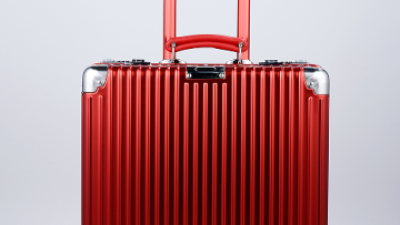
Aluminum-magnesium alloy carry-on luggage is a practical choice for short-haul business trips, combining a refined appearance with dependable protection. Its high-strength shell is designed to resist everyday scratches, dents, and impacts, helping safeguard important belongings during busy travel. Sized to meet common global airline carry-on requirements, it can fit conveniently in overhead compartments, allowing travelers to avoid checked-baggage queues and move through airports more efficiently.
Security and organization are equally important for business travel. A reliable customs-friendly lock supports smooth inspections while helping protect documents, electronics, and personal items. Inside, dedicated compartments keep laptops, files, chargers, clothing, and toiletries neatly separated, making essentials easier to find when time is limited. An ergonomic telescopic handle and quiet spinner wheels provide smooth control through crowded terminals, narrow aisles, and hotel corridors. With its balance of durability, portability, organization, and professional style, this luggage suits travelers who need efficient handling and secure storage on every journey.
FAQS
Each wheel turns independently, so the suitcase moves smoothly beside you. A light push often changes direction. This can reduce wrist strain in crowded terminals and narrow hotel corridors.
No. They work best on polished floors and smooth sidewalks. Small wheels may struggle on gravel, thick carpets, cobblestones, wet ground, or steep ramps. Surface expectations matter.
Pack heavy items near the bottom and center. Keep the load balanced. A firm handle, reinforced wheel housings, and a low center of gravity also help.
Two-wheel luggage usually handles uneven pavement better. Its larger wheels stay behind the case. Four-wheel luggage turns more easily in airports and narrow corridors. Your route should decide.
Test the loaded case, not only an empty showroom model. Roll it over tile, carpet, ramps, and cracked pavement. Check wheel noise, handle wobble, balance, and wheel attachment strength.
Wheels may extend beyond the case and catch on door edges. I once pulled too quickly and hit one. “Effortless” movement still requires careful handling.
Location tracking, digital weight displays, USB-C charging, and removable batteries can be useful. However, extra electronics create more possible failures. Not every feature earns its space.
No. Recycled fabric or plastic does not guarantee durability. Look for abrasion tests, waterproof zipper checks, handle pull tests, and repeated wheel testing. I would question vague sustainability claims.
Conclusion
In 2026, Wheel Luggage is designed to make travel more efficient, comfortable, and adaptable. Two-wheel luggage remains useful for uneven surfaces, narrow aisles, and controlled pulling, while four-wheel spinner luggage offers smooth movement in any direction and easier handling in crowded spaces. Hybrid designs combine wheels with backpack straps or carry handles, giving travelers more flexibility when moving between airports, streets, stairs, and public transportation. Specialized wheeled luggage also serves different needs, including compact carry-on models, spacious cases for long trips, and protective options for delicate belongings.
When choosing the best Wheel Luggage type, travelers should compare capacity, weight, wheel durability, handle strength, maneuverability, stability, and storage organization. Travel frequency and destination conditions are equally important. Newer designs may include smart tracking, built-in charging solutions, improved security features, and recycled or lower-impact materials. By balancing practical features, comfort, durability, and sustainability, travelers can select luggage that suits both their travel habits and the demands of modern journeys.