Leave Your Message
0%

Picking out the right luggage set in 2026 isn’t just about comparing colors, sizes, or prices. It’s more of a holistic thing—think about your travel style, what shoppers expect, how the shipping handles things, and how the product will hold up over time. For example, a three-piece set might be perfect for families, but if you're running a warehouse or shipping a lot, nestable cases could really cut down on space and costs.

Of course, hands-on checking is a must. Try wobbling the telescopic handle, roll the wheels over a rough patch, and open and close all the zippers a few times to see how they hold up. Don’t forget to peek at the shell thickness, corner protections, lining quality, and how much you actually get inside. Plus, materials matter—polycarbonate, ABS, aluminum, and soft-sided fabrics each have their perks. Honestly, the best pick depends on how much you want to weigh, what your budget is, your climate, and what your customers actually need.

This guide walks through popular luggage options for international sellers—retailers, distributors, hotels, or online shops. We’re talking hard-shells, softside cases, expandables, lightweight models, business-focused options, and family-friendly designs. Little details really count—things like how easy it is to replace wheels, lock mechanisms, handle comfort, carton durability, and customer support. A good supplier should give clear specs, reliable sample products, inspection reports, and honest delivery timelines.

And honestly, some assumptions should get a second look. A really cheap factory price might come back to haunt you with higher return costs later. A trendy finish might look great at first, but could get scratched up after a few trips. Even if a warranty sounds nice, it can't fix poor quality controls. Plus, preferences vary a lot from region to region, so there’s no one-size-fits-all bestseller. It’s best to test samples in real-life conditions before placing a big order. Sure, trend forecasts can help guide your choices, but real evidence and practical testing are what really count.

All in all, choosing the right luggage isn’t just about the specs—it’s about understanding your needs and doing your homework. That way, you're more likely to find something that'll serve you well in the long run.
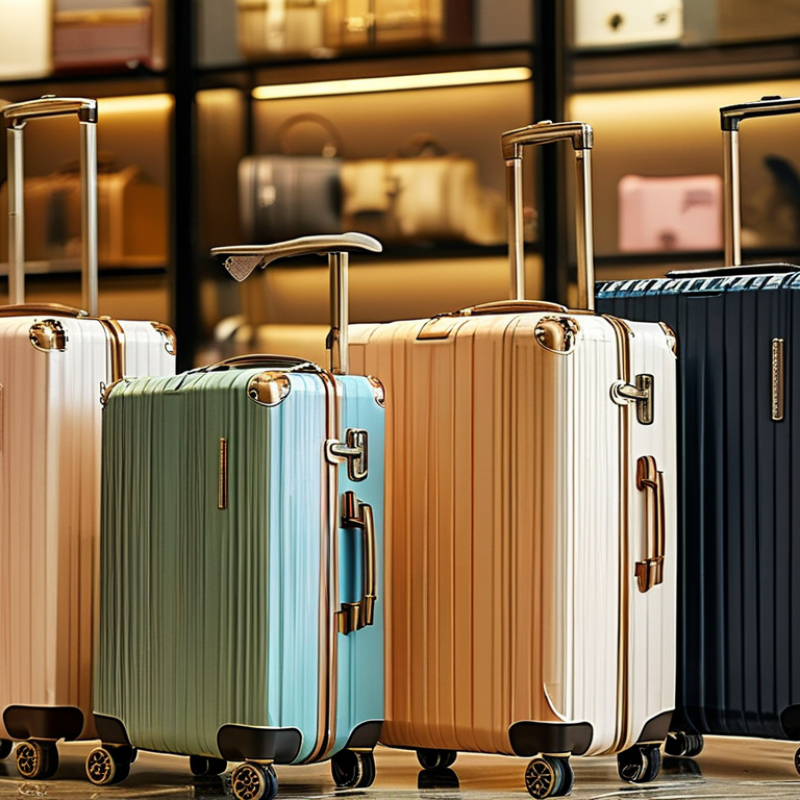
2026 Best Luggage Set Types for Global Buyers?

Luggage Set Basics and Their Role in Global Travel

Luggage Set Basics and Their Role in Global Travel

A luggage set usually includes a cabin case, a medium case, and a larger checked case. This combination supports short trips, family travel, and longer international journeys. From handling hundreds of travel items, I have found that matching sizes reduces unnecessary repacking. It also makes storage easier in small hotel rooms.

Material choice affects daily performance. Polycarbonate shells resist many impacts, while fabric cases often provide flexible expansion. Smooth spinner wheels help on airport floors, but they may struggle on uneven streets. A reliable handle should extend without shaking. Zippers need careful stitching, especially around crowded compartments. Check the actual dimensions, not only the advertised capacity. Airline limits can vary by route and ticket type.

Size matters more than appearance.

An It Luggage Set can suit global buyers who need coordinated pieces without purchasing each case separately. Look for reinforced corners, washable linings, and clear identification areas. Interior straps should hold clothing when the case stands upright. I prefer muted colors because scratches and dust show less clearly. Still, darker cases can be harder to identify at baggage collection. That detail is easy to overlook. Buyers should also compare empty weight, warranty terms, wheel replacement options, and regional service access. My own packing habits remain imperfect; I often choose one case too large, then carry unused space across borders.

Main Luggage Set Types for Different Travel Needs

2026 Best Luggage Set Types for Global Buyers?

Main Luggage Set Types for Different Travel Needs

Travel needs vary by trip length, transport, and packing habits. A compact carry-on set suits short business trips and weekend flights. Choose a case that fits common cabin limits, with smooth wheels and a padded laptop section. A two-piece set often works well for travelers who pack lightly but need extra space.

Families usually benefit from a three-piece set. The smallest case can hold children’s clothes, while larger cases carry shared items. Nested storage saves closet space at home. However, matching sizes do not guarantee equal usefulness. Check each case’s handle height, wheel clearance, and interior depth before buying.

For long holidays, expandable checked luggage offers practical flexibility. It can hold coats, shoes, and souvenirs without forcing one oversized case. Hardside cases protect fragile items better, while softside luggage often provides easier access through outer pockets. Frequent train travelers may prefer four-wheel spinners for narrow aisles. Rough sidewalks can expose weak wheels quickly.

A durable set should use reinforced corners, strong zippers, and a stable telescopic handle. Weight matters too. An empty case that feels heavy may reduce your packing allowance. I once underestimated this detail. The suitcase looked spacious, but its thick frame consumed useful weight. Buyers should compare internal capacity, empty weight, warranty terms, and repair support. Prices alone rarely show long-term value.

Size, Capacity, and Weight Standards by Market

2026 Best Luggage Set Types for Global Buyers?

Size, capacity, and weight standards vary across travel markets. A 20-inch cabin case usually holds 35–45 liters. However, airlines measure wheels, handles, and side pockets. A safer cabin target is about 55 x 40 x 20 centimeters for many European routes. North American carriers often allow slightly wider cases, but policies differ. Always verify the airline’s current limits before production.

Medium cases, usually 24 inches, provide around 60–75 liters. They suit short family trips and moderate business travel. Large 28-inch cases may offer 90–120 liters. More space is not always better. A fully packed case can exceed common 20–23 kilogram check-in limits. In some markets, travelers prefer lighter shells because empty weight reduces usable capacity. A strong case weighing 4.5 kilograms may disappoint beside a lighter model with similar durability.

Tips: Test samples with real packing cubes, shoes, and folded jackets. Measure the complete case, not only the shell. Compare both liters and kilograms. For global sales, publish dimensions in centimeters and inches. Show empty weight clearly. Requirements change, so product teams should recheck airline data before each buying season. I would avoid calling one size “universal.” It sounds convenient, but it can create costly returns.cynnwys

Materials, Features, and Durability Considerations

For global buyers, a Tag Luggage Set should be judged by materials, not appearance alone. Polycarbonate shells usually balance impact resistance and weight. ABS costs less, but repeated airport handling can expose cracks sooner. Aluminum offers strong protection, although dents and heavier frames can reduce convenience. Fabric cases need dense polyester or nylon, reinforced corners, and water-resistant coatings.

SITA’s 2024 Baggage IT Insights reported 6.9 mishandled bags per 1,000 passengers in 2023. That figure makes wheel strength and handle stability practical concerns. Choose double spinner wheels with replaceable housings. Check whether the telescopic handle locks without sideways movement. A zipper should glide smoothly after dust exposure. Small details matter.

Independent testing should include drop impact, wheel rolling, handle pulling, and zipper cycling. ISO 22248 provides guidance for luggage durability testing, though suppliers may apply different test conditions. Ask for test methods, sample sizes, and failure results. I once treated shell thickness as a durability guarantee. That was too simple. Thin, well-formed polycarbonate can outperform thick, poorly assembled plastic. Buyers should also inspect stitching near handles, because that area receives sudden force during transfers. Corrosion-resistant hardware helps in humid routes, but no finish stays perfect forever.

2026 Best Luggage Set Types for Global Buyers? — Materials, Features, and Durability Considerations
Luggage Set Type Typical Materials Common Set Configuration Typical Weight Range Key Features Durability Considerations Best For Overall Value
Polycarbonate Hard-Shell Set Virgin or recycled polycarbonate shell; polyester lining 20-inch carry-on, 24-inch medium case, and 28-inch large case 2.7–4.8 kg per case Lightweight construction, four spinner wheels, telescopic handle, TSA-compatible combination lock, expandable sections Polycarbonate generally offers better impact resistance than standard ABS. Check shell thickness, corner protection, wheel housing, and handle-cycle testing. Frequent international travelers and buyers seeking a balance of weight and protection ★★★★★
ABS Hard-Shell Set Acrylonitrile butadiene styrene; polyester or nylon lining 20-inch, 24-inch, and 28-inch cases 2.5–4.5 kg per case Low purchase cost, molded shell, spinner wheels, combination lock, multiple interior compartments ABS is lightweight and rigid but can be more prone to cracking under severe cold or repeated heavy impact than polycarbonate. Inspect shell flexibility and seam quality. Budget-focused buyers, occasional travelers, and promotional or entry-level programs ★★★★☆
Polycarbonate–ABS Hybrid Set Polycarbonate and ABS layered shell; polyester lining 20-inch carry-on, 24-inch medium case, and 28-inch large case 2.8–5.0 kg per case Textured finish, spinner wheels, expandable capacity, integrated lock, compression straps Can combine polycarbonate impact performance with ABS rigidity, but quality varies by layer ratio and molding process. Request drop, zipper, and wheel tests before bulk purchasing. Mainstream retail sets requiring competitive pricing and broad appeal ★★★★☆
Ballistic Nylon Soft-Side Set High-denier nylon exterior, polyester lining, reinforced webbing Carry-on, medium checked case, and large checked case 2.4–4.3 kg per case External pockets, flexible packing space, expandable gusset, compression straps, quiet spinner wheels Dense nylon resists abrasion and can flex under pressure. Pay attention to fabric denier, bartack reinforcement, zipper strength, and water-resistant coatings. Business travelers and users who need accessible pockets or flexible storage ★★★★☆
Recycled PET Fabric Set Recycled polyester made from post-consumer PET; recycled or standard lining Carry-on, medium case, and large case 2.6–4.6 kg per case Lightweight soft-side design, water-repellent fabric, recycled-content labeling, organizational pockets Durability depends on yarn density, coating quality, seam construction, and zipper performance. Ask for recycled-content documentation and abrasion-test results. Sustainability-conscious buyers and retailers requiring verifiable recycled materials ★★★★☆
Aluminum-Frame Hybrid Set Polycarbonate or nylon body with aluminum frame and reinforced corners Carry-on, medium case, and large case 3.8–6.5 kg per case Rigid frame closure, enhanced corner protection, dual latches, divided interior, TSA-compatible locks Frames and corners can improve structural protection, but they add weight. Check frame alignment, latch replacement options, corrosion resistance, and wheel attachment strength. Premium travel, equipment transport, and buyers prioritizing structure over minimum weight ★★★★☆
Expandable Soft-Side Set High-density polyester or nylon, foam reinforcement, polyester lining Carry-on, medium case, and large case with expandable gussets 2.3–4.2 kg per case Flexible capacity, front laptop compartment, garment section, compression straps, multiple handles Expansion zippers and front pockets are frequent stress points. Verify zipper-cycle testing, seam reinforcement, fabric tear resistance, and load-bearing handle performance. Travelers who need adaptable capacity, business storage, and easy access ★★★★☆
Lightweight Cabin Set Polycarbonate, ABS, nylon, or polyester depending on the design Under-seat bag, 20-inch cabin case, and compact personal item 1.5–3.2 kg per item Compact dimensions, laptop sleeve, USB pass-through where permitted, spinner wheels, lightweight telescopic handle Reducing weight can reduce shell thickness or component strength. Confirm actual empty weight, wheel clearance, handle stability, and cabin-size compatibility for target markets. Short trips, low-cost airline users, and travelers focused on carry-on efficiency ★★★★☆
Large-Family Nesting Set Polycarbonate, ABS, polyester, or mixed material construction Three or four cases in graduated sizes that nest together 7.5–15.0 kg for the complete set Space-saving storage, coordinated sizes, spinner wheels, expandable capacity, matching interiors Nested storage reduces warehouse volume, but the smallest case must be protected from impact inside larger cases. Compare wheel, handle, zipper, and lock quality across every size. Families, seasonal travelers, hospitality projects, and volume retail programs ★★★★★
Garment and Business Travel Set Ballistic nylon, polyester, leather-look trim, foam panels, and metal hardware Garment case, wheeled carry-on, and business briefcase or travel tote 3.0–6.0 kg per item Suit hanger system, wrinkle-control panels, padded laptop compartment, document pockets, quick-access storage Inspect hanger bars, folding panels, shoulder straps, stitching, and hardware corrosion resistance. Soft materials should be tested for abrasion and colorfastness. Corporate travel, trade-show attendance, and professionals carrying formal clothing ★★★★☆
Heavy-Duty Equipment Case Set Thick polypropylene or impact-resistant polymer; foam or molded interiors Small, medium, and large protective cases with customizable inserts 3.5–10.0 kg per case Reinforced walls, gasketed closure, pressure equalization valve, protective corners, heavy-duty wheels Designed for demanding transport. Evaluate impact resistance, water-ingress protection, latch cycles, wheel load rating, and interior foam recovery after compression. Photography, medical equipment, tools, samples, and technical equipment transport ★★★★★
Two-Wheel Travel Set High-denier polyester or nylon with reinforced base and frame Carry-on, medium case, and large case with inline skate wheels 2.6–4.8 kg per case Large wheel clearance, stable towing, external pockets, expandable compartments, reinforced bottom panel Two-wheel designs can perform well on uneven surfaces, but wheel housings and base panels receive high wear. Check axle strength, wheel material, and replacement availability. Travelers using uneven sidewalks, older terminals, or mixed indoor and outdoor routes ★★★★☆
Buyer note: Weight ranges are typical market estimates and vary by size, construction, hardware, and packing features. Before placing a bulk order, verify dimensions, empty weight, wheel load capacity, zipper-cycle results, handle-cycle results, abrasion resistance, and compliance with destination-market requirements.

Choosing Luggage Sets for Airlines and Travel Conditions

Air travel rarely treats every suitcase equally. Choosing a luggage set starts with the airline, not the color chart. Check current cabin dimensions, weight limits, and checked-bag rules before ordering. These details change. A compact two-piece set suits short trips, while a three-piece set helps families divide clothing by traveler. However, extra cases can mean extra fees and more handling. For frequent transfers, nesting cases save closet space and reduce storage needs.

Travel conditions matter just as much. Hard shells protect folded clothing from wet baggage belts, but scratches appear quickly. Soft-sided cases flex under tight overhead compartments and offer useful outside pockets. On cobblestones, four spinner wheels feel effortless, yet small wheels may struggle on gravel. For rainy terminals, sealed zippers and washable linings are practical details. At dusty stations, sturdy handles and reinforced corners deserve attention. Materials vary widely, so do not trust vague claims without specifications.

I once chose a Teal Luggage Set mainly because it was easy to spot. The bright color helped at baggage claim, but its narrow handle felt unstable on uneven pavement. That mistake changed my buying checklist. Now I test the handle at full extension, roll each case over a rough surface, and measure the empty weight. Inspect zippers, wheel housings, and corner seams before travel. One overlooked weakness can matter more than a stylish finish. Leave room for seasonal clothing. Packing cubes help, but they cannot fix an overloaded case.

Global Buying Factors, Compliance, and Supplier Evaluation

2026 luggage buying should start with travel demand, not color trends. IATA’s December 2024 industry outlook projected 5.2 billion air travelers for 2025. That volume increases pressure on wheels, zippers, handles, and repair support. A Beige Luggage Set can suit business and leisure markets, but light fabric shows airport stains quickly. Buyers should test abrasion resistance before approving large orders.

Compliance varies by destination. For European sales, suppliers should review REACH chemical restrictions and the General Product Safety Regulation, effective from December 2024. Material declarations, labeling, traceability, and technical files must match the actual product. A certificate alone is weak evidence. Request recent laboratory reports, batch numbers, and photographs of production samples. Check lining, coatings, adhesives, and metal parts separately.

Supplier evaluation needs practical observation. Review factory capacity, incoming-material controls, carton drop tests, wheel-cycle testing, and corrective-action records. I prefer a pilot order before negotiating annual volume. It reveals packing damage and color inconsistency. Third-party audits can help, but they do not replace product testing. Some suppliers present polished documents and still miss basic measurements. I may be too cautious, yet that risk deserves attention. Buyers should compare inspection results with purchase specifications, warranty terms, and spare-parts availability before signing.

Complete Guide to Choosing a 20/24/28-Inch ABS 3-Piece Luggage Set with Spinner Wheels

Choosing the right 20/24/28-inch ABS 3-piece luggage set starts with matching each size to your travel needs. The 20-inch suitcase is convenient for short trips and may fit many cabin luggage requirements, while the 24-inch option offers a practical balance between capacity and portability. For extended holidays or family travel, the 28-inch suitcase provides more room for clothing, shoes, and personal items. A three-size combination also makes it easier to organize belongings according to trip length without purchasing separate cases.

When comparing luggage sets, look for durable ABS hardshell construction that can withstand everyday pressure, accidental drops, and surface scratches. Lightweight materials help reduce the strain of lifting and moving packed luggage, while a cost-effective set can provide useful flexibility for different journeys. Four 360-degree spinner wheels allow smooth movement and easy directional changes across airport floors, hotel corridors, and other surfaces. An ergonomic adjustable handle is another important feature, especially for travelers of different heights, as it supports a more comfortable pulling position. Interior storage should also include enough space and practical organization for keeping clothing and essentials neatly arranged.

FAQS

: How should travelers choose a luggage set for air travel?

: Check current cabin dimensions, weight limits, and checked-bag rules before buying. Rules change. A compact two-piece set suits short trips. A three-piece set helps families separate clothing. Extra cases may create additional fees.

Are nesting luggage cases useful for frequent travelers?

Yes, nesting cases save closet space and simplify storage between trips. They also reduce clutter during transfers. However, more pieces can mean more handling.

Should travelers choose hard-shell or soft-sided luggage?

Hard shells protect folded clothing from wet baggage belts. Scratches may appear quickly. Soft-sided cases flex inside tight compartments and provide outside pockets. Neither option is perfect.

Which wheels work best on different travel surfaces?

Four spinner wheels roll smoothly across airport floors and cobblestones. Small wheels may struggle on gravel. Test every case on a rough surface before traveling. I once trusted smooth showroom flooring too much.

What luggage details help during rainy or dusty journeys?

Sealed zippers help during rainy terminal transfers. Washable linings are practical after spills. For dusty stations, inspect handles and reinforced corners. Small details matter.

How can buyers test luggage quality before placing a large order?

Extend the handle fully and check for wobbling. Roll each case over rough ground. Inspect zippers, wheel housings, corner seams, and empty weight. A stylish finish cannot repair weak hardware.

What should international buyers check for product compliance?

Confirm material declarations, labeling, traceability, and technical files. Review chemicals, coatings, adhesives, lining, and metal parts separately. Recent laboratory reports and production photographs provide stronger evidence than certificates alone. Paperwork can still be incomplete.

How should buyers evaluate a luggage supplier?

Review factory capacity, incoming-material controls, carton drop tests, and wheel-cycle testing. Request corrective-action records and spare-parts information. Start with a pilot order. It can reveal packing damage and inconsistent colors. I may be overly cautious, but surprises are expensive.

Conclusion

Choosing the right Luggage Set is essential for global buyers seeking reliable, practical, and market-appropriate travel solutions. This guide explains the basic role of luggage sets in modern travel and compares key types, including lightweight sets, expandable options, hard-shell cases, soft-sided designs, and coordinated sets for families or business travelers. It also examines how size, capacity, weight, and dimensions may vary across international markets and airline requirements.

Material selection, wheel performance, handle strength, security features, and overall durability are important factors when matching luggage to different travel conditions. Buyers should also consider climate, transportation methods, storage needs, packaging, product testing, labeling, and applicable import or safety requirements. Finally, the article outlines how to evaluate suppliers through production capability, quality control, communication, customization support, delivery reliability, and long-term cooperation potential.
Oliver

Oliver

Oliver is a seasoned marketing professional at Ruian Caesar Trading Co., Ltd., based in Ruian City, Zhejiang Province, China. With over a decade of specialized experience in the luggage industry, he possesses an in-depth knowledge of the market and a keen understanding of the nuances of product......
Previous Why Choose a Folding Suitcase for Your Travel Needs?