Leave Your Message
-
Phone
-
E-mail
-
Whatsapp
-
WeChat

-
Whatsapp

Picking the right carry-on for international travel in 2026 isn't really about cramming in the biggest bag you can find. It's more of a balancing act—size, structure, how it feels to pull, security, and whether it actually works for your daily routine. You know how it goes: those long airport corridors will expose flimsy wheels in no time, and the moment you squeeze down a narrow plane aisle, awkward handles become painfully obvious. Honestly, even the prettiest bag can turn into a total drag after two connecting flights.
Rick Steves, the guy behind Rick Steves’ Europe, once said something like, “The goal is to travel light.” And honestly, that still makes a lot of sense. But here’s the thing – the world has changed a bit since then. These days, every airline seems to have its own crazy rules about bag sizes and weight limits. So before you head to the airport, you really should double-check what your specific carrier says. Because what fits in the overhead bin on one plane might be a total no-go on another. That little detail can make or break your trip, you know?
Okay, so this guide isn't just about specs—we actually dug into what matters when you're lugging a bag around. We're talking wheel durability, how stable that handle feels, zipper quality (nobody wants a busted zipper mid-trip), laptop protection, organization, and even how it holds up against a sudden downpour. But we didn't stop there. We also stuffed each bag with real-life gear: a folded jacket, some compact shoes, toiletries, chargers, and then we threw in a bulky souvenir that you didn't plan for. Because let's face it—that happens. And the little things? They make or break your comfort.
No carry-on is perfect, honestly. Some bags fit a ton but feel like a brick on wheels, while others glide smooth as butter yet waste every inch of space inside. I'm personally drawn to a balanced design rather than chasing the trendiest model—though, that's a choice that deserves a bit of thought, doesn't it? Your height, how you pack, and even the length of your trip can totally flip the equation. A frequent flyer juggling a laptop and suits won't care about the same stuff as someone off for a weekend wander with just a camera and a spare tee.
So, here’s the thing – these recommendations are more about making your choice easier than pushing one perfect answer on you. Obviously, you want materials that actually hold up, right? And yeah, you’ve gotta have some restraint too, not just grab everything. At the end of the day, the best pick is one that fits your route, your body, and your routine without turning into a headache.
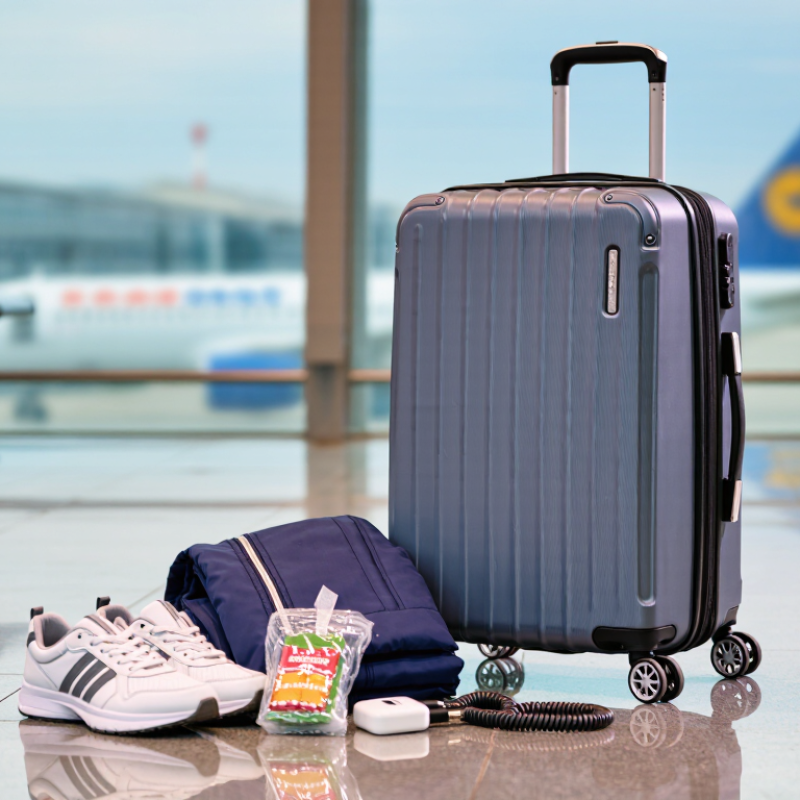
What Defines the Best Carry-On Bag for International Travel in 2026 is not a flashy feature list. It is dependable fit, controlled weight, and easy access during stressful transfers. IATA advises travelers to check each airline’s cabin-baggage rules because dimensions and weight limits vary. A useful international bag should remain compact when fully packed, with smooth wheels and a handle that does not wobble.
SITA’s 2024 Baggage IT Insights reported 6.9 mishandled bags per 1,000 passengers in 2023. That figure makes secure identification and practical organization important. A Carry All Bag should include a visible luggage tag, separate document storage, and compression that prevents loose clothing from shifting. I look for a firm shell or reinforced fabric, sealed zippers, and wheels that survive uneven pavement outside terminals. Small details matter.
Test it at home.
Pack two shirts, trousers, chargers, and a light jacket. Then lift it overhead. The best design should not become awkward when full. However, “maximum capacity” can mislead buyers; an overpacked bag may exceed airline limits or strain its frame. My own preference is modest capacity with a flat opening, because rushed packing exposes weak seams and poor balance. No bag solves every airport problem. That is worth remembering.
| Evaluation Dimension | Recommended 2026 Target | Why It Matters for International Travel | What to Check Before Buying | Priority |
|---|---|---|---|---|
| External Dimensions | Approximately 55 × 35–40 × 20–23 cm (21.7 × 13.8–15.7 × 7.9–9.1 in) |
International cabin-size limits are not universal. A compact profile is more likely to fit stricter overhead-bin requirements across different routes. | Measure the complete bag, including wheels, handles, side pockets, and compression hardware. Always compare the dimensions with the operating airline’s policy. | Very High |
| Carry-On Weight | Preferably under 3 kg (6.6 lb) |
Many international economy fares use weight limits commonly ranging from about 7 to 10 kg, although the exact allowance varies by airline, route, and fare type. | Weigh the empty bag with all permanent accessories attached. A lighter bag leaves more of the allowance for clothing and personal items. | Very High |
| Usable Capacity | Approximately 35–45 L | This range generally provides enough room for several days of clothing while remaining compatible with many cabin-size formats. | Compare internal litres rather than external dimensions alone. Wheels, frames, telescopic handles, and divider panels reduce usable packing space. | High |
| Expansion System | One controlled expansion section, adding roughly 3–5 cm of depth | Expansion is useful for souvenirs or flexible packing, but increased depth can exceed cabin limits and create problems at boarding. | Use the unexpanded dimensions when flying. Confirm that the expansion zipper can be secured and does not reduce structural stability. | Medium |
| Wheel Configuration | Four recessed spinner wheels with replaceable wheel assemblies | Four-wheel movement is convenient in airports, while recessed wheels reduce the risk of adding excessive external width or depth. | Test wheel smoothness, noise, turning radius, wheel housing strength, and the availability of replacement parts. | High |
| Handle System | Stable telescopic handle with at least two height positions | A rigid handle improves control when moving through terminals, train stations, hotel corridors, and uneven pavement. | Check for side-to-side wobble, comfortable grip height, smooth locking, and whether the handle reduces interior packing space. | High |
| Shell or Fabric Construction | Impact-resistant hard shell or abrasion-resistant fabric with reinforced corners | International travel exposes luggage to repeated loading, tight storage spaces, rough handling, and changing weather conditions. | Look for reinforced stress points, durable stitching or shell edges, protected zippers, and a design that remains stable when partially packed. | High |
| Closure and Security | Lockable zippers or an integrated combination lock with secure zipper pulls | A lock can discourage casual access while the bag is stored in shared areas. It does not guarantee protection against theft. | For flights involving the United States, use a security lock accepted by the relevant airport-security inspection system, and keep essential valuables in your personal item. | High |
| Interior Organization | Full-opening compartment, compression panel, two or more pockets, and a separate laundry area | Structured organization helps separate clean clothing, footwear, electronics, documents, and worn items during multi-city trips. | Ensure pockets do not consume too much main-compartment space. A removable divider is useful when packing for different trip lengths. | High |
| Laptop and Document Access | Dedicated padded compartment with quick access, if needed | Frequent security screening is easier when electronics and travel documents can be reached without unpacking the entire case. | Confirm the compartment fits the device dimensions, offers adequate padding, and does not make the bag too deep when fully loaded. | Medium |
| Weather Protection | Water-resistant exterior with covered zippers or a removable rain cover | Rain, wet platforms, and outdoor transfers can damage clothing, documents, and electronics even when the bag is not submerged. | Water-resistant does not mean waterproof. Use protective pouches for passports, medicines, electronics, and other sensitive items. | Medium |
| Personal-Item Compatibility | Designed to pair with a small under-seat personal item | Using the cabin bag and personal-item allowance efficiently can increase storage without exceeding the carry-on size limit. | Check the airline’s separate personal-item dimensions. Avoid attaching an overfilled personal item that prevents the main bag from fitting in the sizer. | Very High |
| Comfort and Handling | Balanced weight distribution, padded top and side handles, and manageable lifting weight | Travelers frequently lift bags into overhead compartments and carry them on stairs, platforms, and connecting walkways. | Load the bag with approximately 7–10 kg and test lifting, rolling, carrying, and placing it into an overhead-height position. | High |
| Durability and Repairability | Replaceable wheels, repairable handles, strong seams, and accessible warranty or repair support | Repairable components can extend service life and reduce waste when a wheel, handle, or zipper fails. | Check whether replacement parts are available internationally and whether repairs remain possible after the purchase period. | High |
| Best Overall Profile | Lightweight, compact, 35–45 L, four-wheel, secure, weather-resistant, and easy to organize | This combination offers a practical balance for short international trips while reducing the risk of exceeding common cabin restrictions. | Prioritize real dimensions and empty weight over decorative features. Confirm the current rules for every operating airline before departure. | Overall |
For frequent travelers, choosing the right ABS lightweight expandable suitcase can make every journey more convenient. A durable ABS hard shell provides reliable protection while helping keep the luggage light enough for easy handling. Its scratch-resistant finish helps maintain a neat appearance through repeated trips, while smooth-rolling wheels allow effortless movement across airport floors, hotel corridors, and city streets. A telescoping handle and a comfortable short handle offer flexible carrying options when moving through crowded spaces or lifting the suitcase into storage areas.
An expandable design provides extra room when your packing needs change, making it useful for longer trips or bringing home additional items. Inside, a divider and multiple zippered pockets help separate clothing, accessories, and travel essentials, reducing clutter and making items easier to find. For added peace of mind during air travel, a TSA-approved lock is an important feature to consider, as it helps secure belongings while allowing authorized security inspections when necessary. Together, lightweight construction, organized storage, smooth mobility, expandable capacity, and secure locking support a more efficient and stress-free travel experience.
It should fit common cabin limits when fully packed. Check dimensions, wheels, handles, and outside pockets. A firm structure, smooth wheels, and a steady handle matter. Small details matter. No bag fits every airline perfectly.
Review the airline’s official policy before buying or packing. Rules can differ by route, aircraft, and ticket type. Some airlines measure weight strictly. Others use smaller cabin compartments. Recheck the policy near departure.
A modest, compact size usually works better than maximum capacity. Regional aircraft may have smaller overhead storage. An expanded bag can fail the airport sizer. I learned that the hard way. Leave some empty space.
Pack two shirts, trousers, chargers, and a light jacket. Lift the bag overhead at home. Check whether the handle wobbles or the bag tips. Roll it across a rough surface. Test it fully loaded.
Choose separate document storage, compression straps, and a flat opening. These features reduce shifting during transfers. A visible luggage tag helps identify the bag quickly. Keep passports and electronics easy to reach. Avoid excessive padding. It consumes space.
Four wheels move easily through airports, narrow corridors, and crowded terminals. Two wheels may handle rough sidewalks better. Quiet wheels and strong wheel housings are important. Tiny wheels struggle on old streets. Neither design wins everywhere.
A stable handle should extend smoothly, even when the bag is full. Comfortable lifting points help with stairs and overhead bins. A padded strap can help when gates change suddenly. A breathable back panel reduces heat during long walks. Keep weight close to your back.
Choose sealed zippers and materials that resist light rain. A water-resistant pocket can hold a damp umbrella. It does not provide waterproof protection. Reinforced fabric or a firm shell can reduce damage. Protect fragile items carefully.
Keep essential documents and one change of clothes separately. This helps if the carry-on is checked at the gate. Store small electronics where security access is simple. Avoid burying important items beneath clothing. Simple packing saves time.
Check the wheels, handle, seams, zippers, and lifting points. Replacement access matters because wheels and handles often fail first. Load the bag before judging its balance. I sometimes overpack and regret it. Capacity is not everything.
Choosing the best Carry-On Bag for international travel in 2026 means balancing size, weight, durability, organization, and comfort. The ideal bag should meet common airline cabin limits while offering enough capacity for essential clothing, electronics, documents, and personal items. A lightweight yet strong construction, reinforced seams, dependable zippers, and protective corners can improve long-term durability without adding unnecessary bulk. Flexible compartments, compression features, and easy-access pockets also help travelers pack efficiently and keep important items organized.
Security and mobility are equally important during busy airport journeys. A secure closure system, discreet pockets, smooth-rolling wheels, and an adjustable handle can make transit easier and more comfortable. Travelers should also consider whether the bag is suitable for overhead storage, regional aircraft, changing weather, uneven streets, and crowded terminals. Since airline rules and travel conditions vary, checking current size and weight requirements before departure is essential. The best choice is a practical, adaptable Carry-On Bag that supports efficient packing while remaining comfortable and reliable throughout an international trip.