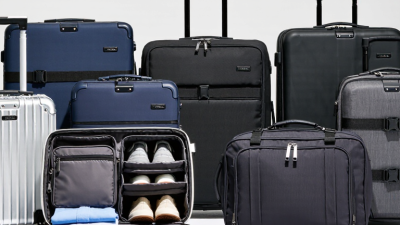
Picking the right Cabin Suitcase in 2026? It’s not just about color or which price tag looks better. These days, global buyers dig into size, weight, how the wheels roll, security features, and whether repairs are actually possible. A case can look nice and compact in a showroom, but once you squeeze in shoes, chargers, and a jacket, it can feel pretty tight. It’s the small stuff that counts.
This guide looks at the main cabin suitcase types and how they fit different travel habits. Lightweight polycarbonate cases are great for frequent flyers—they resist impact well and are easy to handle. Soft-sided models give you more flexible packing and handy outside pockets. Expandable designs add space, though that extra expansion can sometimes cause problems with airline acceptance. Two-wheel cases handle uneven streets more smoothly, while four-wheel spinners zip around busy terminals. Every option has trade-offs, honestly.
Airline cabin limits? Still all over the place depending on route and carrier, so check the latest rules before you order. And make sure product measurements include wheels, handles, and side fittings—people miss that all the time. Material claims deserve a closer look too. “Durable” doesn’t always mean it’ll be repairable or comfortable after a few years. In real testing, zipper quality, a wobbly handle, noisy wheels, and overall balance tell you more than glossy product photos. No single case works for everyone. Business travelers might want organized compartments; weekenders often prefer something lighter. Families may need nesting options and easy identification. Some recommendations are still subjective, and real-world performance can shift with weather, flooring, and how you pack. Think of this overview as a solid starting point for importers, retailers, and individual buyers who want reliable cabin luggage for global travel in 2026.
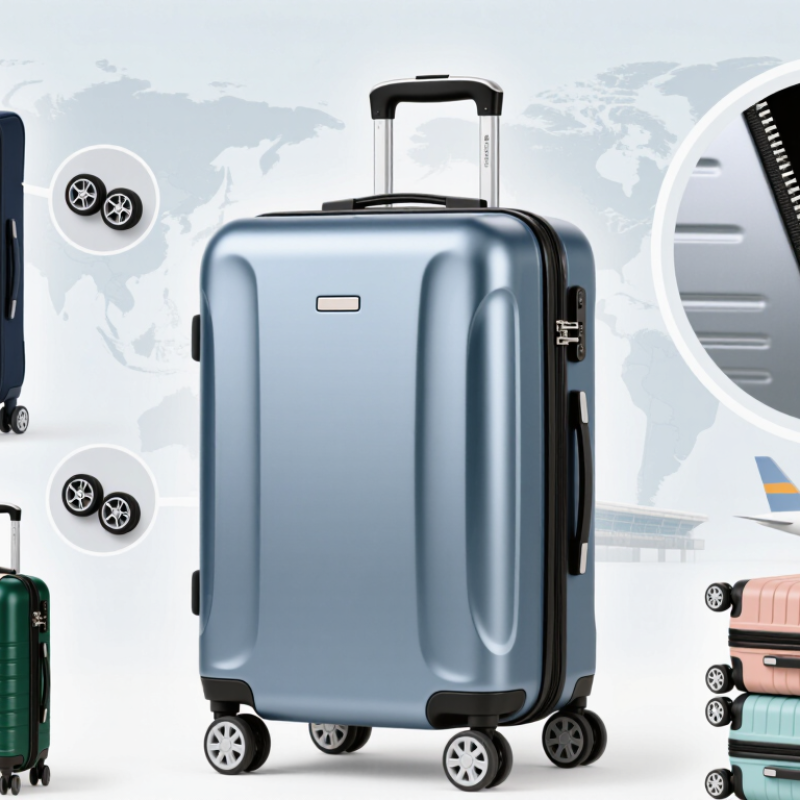
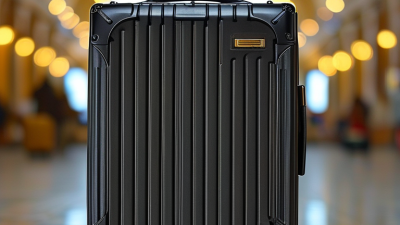
A cabin suitcase is designed for overhead storage, not checked travel. In 2026, common dimensions remain near 55 x 40 x 20 centimeters. However, airlines still set different limits. Buyers should check the carrier’s current size and weight rules before ordering. A useful cabin case feels compact beside your legs. Its handle should extend smoothly without excessive movement. Four quiet wheels help it turn through narrow airport aisles. Hard Cabin Suitcase models offer a protective shell for laptops, shirts, and small accessories. Yet a rigid exterior may reduce interior flexibility. That trade-off deserves attention.
Reliable designs now use lighter shell materials, reinforced corners, and tested wheel housings. A well-planned interior includes compression straps, a washable divider, and a flat space for chargers. Some models support removable battery units for personal electronics. This feature improves convenience, but users must follow airline instructions. Security-friendly compartments can save time, although they may add weight. Water resistance also matters when a suitcase waits beside a rainy shuttle stop. From practical product testing, zipper quality often matters more than decorative details. No suitcase fits every overhead bin. That remains inconvenient. Buyers should measure carefully, especially when the case has expanded panels or large wheels. A slightly smaller suitcase may carry less, but it usually creates fewer boarding problems.
Main cabin suitcase designs differ in shell strength, opening structure, and wheel performance. Hard-shell spinners use molded ABS or polycarbonate panels. They resist light rain and protect folded clothing from pressure. Four recessed wheels support smooth movement through terminals and narrow aisles. Their main weakness is reduced flexibility when overpacked. A broken wheel can also make the case difficult to pull.
Softside cabin suitcases use woven fabric, stitched compartments, and flexible frames. They often provide easier access to documents, chargers, and small travel items. Expandable panels add useful capacity, but expansion may exceed airline cabin limits. Lightweight models are convenient, although thin fabric may wear faster around corners. Hybrid cases combine a firm shell with fabric sections. They balance structure and flexibility, but added components can increase weight.
Tips: Check the packed dimensions, not only the empty case. Measure the handle, wheels, and expanded section. Choose reinforced corners and smooth zippers for frequent travel. A two-wheel case may perform better on rough pavement. A four-wheel spinner is easier indoors. No design is perfect. Personal packing habits still matter more than advertised capacity. In product checks, wheel alignment and handle stability deserve attention because small defects become frustrating during long transfers. Always compare cabin requirements before purchase, since limits differ between routes and carriers.
Size, weight, and airline compatibility now matter more than stylish finishes. A Small Cabin Suitcase can fit narrow aircraft bins, but its listed dimensions may mislead. Measure the case with wheels, handles, and side pockets extended. A suitcase marked 55 × 40 × 20 centimetres can exceed the limit by several centimetres.
That small difference matters. Many airlines accept cabin luggage near 55 × 40 × 20 centimetres, yet measurements vary by route, fare, and aircraft. Some permit a larger depth, while others use a smaller personal-item standard. Check the operating airline’s current baggage page before purchasing. Airport staff usually measure rigid cases more strictly than flexible ones.
Weight creates another problem. Common cabin limits range from 7 to 10 kilograms, but some tickets allow less. A lightweight shell helps, although empty weight should not be ignored. A 2.8-kilogram case leaves more room for clothing and electronics. I once focused on external size and overlooked the weight limit. That assumption was wrong.
Pack a filled case and place it on a household scale. Test the handle fully extended. Wheels count. Compression panels can also push the case beyond its approved depth. For international buying, compare measurements in centimetres and inches, then keep the airline’s confirmation with your travel documents. Policies change. Even accurate product information needs checking before every flight.
Materials now shape both durability and passenger comfort. A Large Cabin Suitcase made from polycarbonate resists corner impacts, while recycled polyester can reduce material demand. Aluminum frames feel rigid, but they add weight and show dents quickly.
IATA’s cabin-bag guidance commonly uses 55 × 40 × 20 cm as a reference. However, airlines still set their own limits. Measure the packed case, not the empty shell.
Wheels deserve practical testing. Four recessed spinner wheels move smoothly through terminals, but small wheels struggle on cobblestones and carpet edges. Replaceable wheel housings may extend service life.
SITA’s 2024 Baggage IT Insights reported 6.9 mishandled bags per 1,000 passengers in 2023. Strong wheel attachments and visible identification details therefore matter. A telescopic handle should lock without side-to-side movement. That small wobble becomes tiring after several transfers.
Security systems should deter casual opening without creating false confidence. Choose a recessed combination lock, reinforced zipper pulls, and a shell that closes evenly. Never treat a lock as protection against every inspection or theft risk.
Hidden tracking pockets can support recovery, but electronic features need charging and privacy consideration. IATA’s 2024 passenger research continues to show strong interest in smoother, technology-assisted journeys, yet travelers still value simple handling.
My own packing tests reveal an inconvenient truth: the lightest case often flexes more, while the strongest case may exceed cabin weight limits. Check current airline rules before purchase.
For 2026, global buyers are examining more than shell color and wheel size. IATA forecast 5.2 billion air travelers in 2025, increasing demand for reliable cabin luggage. SITA’s 2024 Baggage IT Insights reported 6.9 mishandled bags per 1,000 passengers in 2023. That figure supports stronger tracking, clearer identification, and tougher construction. In practice, quiet spinner wheels, reinforced corners, and a water-resistant zipper matter during crowded transfers. Small details become valuable.
Smart features should remain practical. A removable battery can support phone charging, while a digital scale can prevent unpleasant surprises at check-in. Bluetooth location tracking may help owners find a misplaced case, but it should not replace visible luggage tags. Electronics also create environmental concerns. The Global E-waste Monitor 2024 recorded 62 million tonnes of electronic waste in 2022, with the total projected to reach 82 million tonnes by 2030. Designers should offer replaceable modules, repairable wheels, and recyclable shell materials.
Not every “smart” function deserves space. Honestly, touch-sensitive locks and decorative screens may add failure points. Buyers should check battery removal, repair access, interior capacity, and airline requirements before purchase. A Cabin Approved Suitcase should fit common overhead-bin dimensions, but aircraft limits still vary. Recycled fabric is useful, though its real value depends on durability and verified material claims. Better design is sometimes less impressive. It simply survives another trip.
Typical cabin-suitcase capacity and empty-weight benchmarks by construction type. Values represent commonly available market specifications for cabin luggage designed around international carry-on size limits.
Hard-shell cases generally provide stronger impact protection, while softside and hybrid designs offer more flexible packing space. Recycled polycarbonate, recycled polyester, repairable wheels, replaceable handles, and water-saving fabrics are among the most practical sustainable design options for 2026 buyers.
2026 Top Cabin Suitcase Types for Global Buyers
Global buyers should compare cabin suitcase types by measured performance, not labels such as “20-inch.” The International Air Transport Association notes that cabin baggage limits vary by airline, although 56 × 45 × 25 cm is widely referenced. Measure the case with wheels, handles, and pockets fully included. A neat spreadsheet can still mislead.
Hard-shell cases usually offer stronger compression resistance and better protection from rain. Polycarbonate tends to flex better than basic ABS, but material quality varies widely. Softside cases provide external pockets and easier packing around clothing. Expandable models add useful space, yet expansion can exceed airline limits quickly. Four-wheel spinners move smoothly through airports, while recessed two-wheel cases often handle uneven pavement better. Check usable litres, not advertised volume alone.
SITA’s 2024 Baggage IT Insights reported 6.9 mishandled bags per 1,000 passengers in 2023, representing 36.1 million bags worldwide. That figure supports closer inspection of wheel mounts, telescopic handles, and seam construction. Ask suppliers for empty weight, loaded dimensions, wheel-clearance measurements, and cycle-test results. I would also request photographs after abrasion and drop testing. Samples can outperform production units. That is an uncomfortable, but necessary, possibility. Compare warranty terms, repair access, zipper quality, and replacement-part availability across markets. Forecast demand using route patterns, cabin rules, and customer packing habits rather than appearance.
| Cabin Suitcase Type | Typical External Size | Typical Empty Weight | Approximate Capacity | Material or Construction | Main Advantages | Limitations | Best Use Case | Key Buying Checks |
|---|---|---|---|---|---|---|---|---|
| Standard Softside Cabin Case | 55 × 35–40 × 20–23 cm (21.7 × 13.8–15.7 × 7.9–9.1 in) |
2.0–3.0 kg (4.4–6.6 lb) |
Approximately 35–45 L | Woven polyester or nylon with a flexible frame | Lightweight; external pockets; flexible packing space; often easier to fit in tight overhead compartments | Less impact and water protection than most hard cases; fabric can absorb moisture and odors | Frequent business travel and buyers prioritizing low weight and organization | Fabric denier, water-resistant coating, zipper quality, frame strength, wheel replacement, and handle stability |
| Polycarbonate Hard-Shell Cabin Case | 55 × 35–40 × 20–23 cm (21.7 × 13.8–15.7 × 7.9–9.1 in) |
2.5–3.5 kg (5.5–7.7 lb) |
Approximately 35–45 L | Injection-molded polycarbonate shell, usually with a zip or frame closure | Good impact resistance; durable under temperature changes; smooth surfaces are easy to clean | May show scratches; less flexible than softside luggage; internal capacity can be reduced by thick shell components | International travelers needing a balanced combination of protection, weight, and durability | Shell thickness, corner reinforcement, wheel housing, zipper or latch quality, lining, and actual measured dimensions |
| ABS Hard-Shell Cabin Case | 55 × 35–40 × 20–23 cm (21.7 × 13.8–15.7 × 7.9–9.1 in) |
2.5–3.6 kg (5.5–7.9 lb) |
Approximately 35–44 L | Thermoformed acrylonitrile butadiene styrene shell | Generally economical; light to moderate weight; good surface appearance; simple to clean | Usually less impact-resistant and less flexible than polycarbonate, especially in cold conditions | Value-focused buyers and occasional travelers with moderate protection requirements | Shell flexibility, edge finishing, temperature resistance, wheel attachment, zipper pull strength, and warranty terms |
| Aluminum Cabin Case | 55 × 35–40 × 20–23 cm (21.7 × 13.8–15.7 × 7.9–9.1 in) |
4.0–5.5 kg (8.8–12.1 lb) |
Approximately 30–40 L | Aluminum alloy shell with reinforced corners and frame-style closure | Strong structural protection; premium appearance; secure frame closure; resistant to fabric tearing | Heavier; may dent; often provides less usable capacity for the same external size; higher transport weight risk | Travelers carrying fragile equipment or buyers seeking a robust premium-format case | Empty weight, alloy thickness, corner protection, latch security, wheel durability, corrosion resistance, and repairability |
| Underseat Cabin Bag | Approximately 40–45 × 30–36 × 15–20 cm (15.7–17.7 × 11.8–14.2 × 5.9–7.9 in) |
1.0–2.2 kg (2.2–4.9 lb) |
Approximately 20–30 L | Soft polyester or nylon; some models use a semi-rigid base | Fits beneath many passenger seats; easy access during flight; useful for short trips and personal items | Lower capacity; underseat dimensions vary significantly by aircraft and fare type; wheels and handles reduce usable space | Short-haul travel, personal-item allowances, and travelers avoiding overhead-bin dependence | Airline-specific personal-item limits, wheel and handle placement, laptop protection, base stiffness, and shoulder-strap comfort |
| Expandable Cabin Suitcase | 55 × 35–40 × 20 cm closed; depth may increase to 23–26 cm when expanded |
2.5–3.8 kg (5.5–8.4 lb) |
Approximately 35–45 L closed; up to about 45–55 L expanded |
Softside or hybrid construction with a zippered expansion section | Flexible capacity for return shopping; useful for clothing and soft goods; adaptable packing volume | Expanded depth may exceed cabin limits; extra fabric and zippers add weight and possible failure points | Travelers who need flexible return-trip capacity and can verify the expanded dimensions | Closed and expanded measurements, compression straps, expansion-zipper durability, overpacking resistance, and airline restrictions |
| Hybrid Cabin Suitcase | 55 × 35–40 × 20–23 cm (21.7 × 13.8–15.7 × 7.9–9.1 in) |
2.8–4.0 kg (6.2–8.8 lb) |
Approximately 35–45 L | Hard-shell panels combined with a textile front panel or softside section | Combines shell protection with front-access organization and some flexibility | More seams and components can increase repair complexity; frequently heavier than a basic softside case | Business travelers needing both document access and moderate hard-shell protection | Panel-to-fabric stitching, water resistance, front-pocket protection, internal divider design, and total weight |
| Two-Wheel Cabin Case | Usually 55 × 35–40 × 20–23 cm (21.7 × 13.8–15.7 × 7.9–9.1 in) |
2.0–3.2 kg (4.4–7.1 lb) |
Approximately 35–45 L | Softside or hard-shell body with recessed inline wheels | Recessed wheels can preserve packing space; often rolls smoothly over uneven surfaces; simple wheel construction | Must be tilted while moving; less convenient in crowded terminals; wheel housings may reduce clearance | Travelers using uneven sidewalks, older terminals, or routes where wheel protection is important | Wheel diameter, axle strength, wheel housing, handle angle, balance when tilted, and abrasion resistance |
| Four-Wheel Spinner Cabin Case | 55 × 35–40 × 20–23 cm (21.7 × 13.8–15.7 × 7.9–9.1 in) |
2.5–4.0 kg (5.5–8.8 lb) |
Approximately 35–45 L | Softside, hard-shell, or hybrid body with four multidirectional wheels | Moves upright in any direction; easy to maneuver in airports and narrow aisles; reduces pulling effort | Exposed wheel assemblies may reduce packing space and can be vulnerable to impact; may roll poorly on rough surfaces | Airport-heavy itineraries and buyers prioritizing maneuverability over minimum weight | Wheel rotation, wheel attachment, brake function if included, body stability, handle wobble, and dimensions including wheels |
The main types are hard-shell, softside, and hybrid suitcases. Hard-shell cases protect clothing from pressure and light rain. Softside cases offer flexible packing and outside pockets. Hybrid designs combine firm panels with fabric sections.
Hard-shell suitcases usually provide stronger compression resistance. Molded panels can protect folded shirts during crowded transfers. However, they become less flexible when overpacked. A broken wheel may make them difficult to pull.
Softside cases work well when travelers need quick access to documents or chargers. Stitched pockets can hold passports, cables, and small items. Expandable panels add capacity, but they may exceed cabin limits. Thin fabric may wear around corners.
Four-wheel spinners move smoothly through terminals and narrow aisles. Two-wheel cases often perform better on rough pavement. Wheel alignment matters more than appearance. Small defects become irritating during long transfers.
Measure the packed case with wheels, handles, and pockets included. Check the expanded section as well. Empty measurements can create false confidence. Cabin limits differ between routes and carriers.
Check reinforced corners, wheel mounts, telescopic handles, seams, and zippers. Smooth zippers reduce snagging near crowded gates. Ask for loaded dimensions and wheel-clearance measurements. A polished sample may still hide production problems.
Removable batteries, digital scales, and location tracking can solve practical travel problems. A scale may prevent an uncomfortable check-in surprise. Visible luggage tags remain important. Touch-sensitive locks and decorative screens may add unnecessary failure points.
Look for replaceable wheels, repairable electronic modules, and recyclable shell materials. Recycled fabric is useful when it remains durable. Material claims should be verified. Sustainability becomes weaker when the suitcase fails after a few trips.
Compare usable capacity, empty weight, loaded dimensions, wheel performance, and repair access. Request abrasion and drop-test photographs when possible. Review warranty terms and replacement-part availability. No comparison method is perfect. Packing habits still change the result.
In 2026, a Cabin Suitcase is defined by its compact size, practical capacity, easy mobility, and ability to meet common airline carry-on requirements. Global buyers can choose from hard-shell, soft-sided, expandable, lightweight, and hybrid designs, each offering different structural benefits. Important considerations include overall dimensions, empty weight, interior organization, wheel configuration, telescopic handle performance, and compatibility with varying airline size and weight standards.
Materials such as recycled fabrics, durable plastics, and impact-resistant composites can influence strength, weight, and environmental performance. Buyers should also compare smooth-rolling wheels, reinforced corners, reliable zippers, and secure locking systems. Smart options may include digital tracking, charging support, or weight-monitoring functions, while sustainable designs may use recycled materials, replaceable components, and longer-lasting construction. By comparing these features alongside warranty support, usability, price, and airline compatibility, global buyers can select the Cabin Suitcase type that best matches their travel habits and purchasing priorities.